
 Gaia
GaiaTL;DR
Retail activation turns passive shoppers into active buyers through memorable in store and physical space experiences. This article breaks down 20 real world retail activation examples from brands like Tide, Patagonia, IKEA, Samsung, Taco Bell, Glossier, Pokémon, and Coca Cola, complete with hard numbers on sales lift, earned media, and customer engagement. Each example is organized by how it closes the gap between what consumers say they want and what they actually buy. Whether you’re building a case for in store activation budgets or benchmarking competitors, these campaigns show what works, what flopped, and why execution matters more than the idea.
Quick Answer: What Are the Best Retail Activation Examples?
The best retail activation examples combine participation, product interaction, and measurable business outcomes.
Among the 20 campaigns analyzed in this guide:
Activation Type | Example | Primary Outcome |
|---|---|---|
Product demonstration | Tide | 39% sales lift |
Circular retail | Patagonia | 40% revenue growth |
Community experience | IKEA | 5,000+ visitors |
Gamification | Samsung | 34% sales lift |
Immersive installation | Apple TV+ | Viral social reach |
Cause based retail | Lush | Increased engagement |
Product trial | Nike | Higher conversion |
Branded experience | Taco Bell | 4.4 billion impressions |
Fandom IP pop up | Pokémon | Sellout crowds |
Phygital experience | Glossier | 50,000+ daily visitors |
AR try on | Sephora Virtual Artist | 200M+ shades tried |
Gamified vending | Coca Cola | Social sharing + trials |
Campus prize locker | Red Bull | Student engagement |
Guerrilla fake store | Cards Against Humanity | Viral earned media |
Voucher incentive | UNIQLO | Store traffic lift |
The highest performing campaigns shared five characteristics:
They encouraged participation.
They created shareable moments.
They reduced purchase friction.
They measured success with predefined KPIs.
They connected the activation directly to a business objective.
The biggest takeaway? The most effective retail activations don’t just generate attention. They change consumer behavior at the point of purchase.
Talk to a retail activation specialist →
At a Glance: 20 Retail Activation Examples Compared
# | Brand & Campaign | Activation Type | Key Result | Best For |
|---|---|---|---|---|
1 | Tide #TurnToCold | In Store Demo + Retail Partnership | 39% sales lift | Linking sustainability to savings |
2 | Patagonia Worn Wear | Circular / Trade In | 40% revenue growth | Building loyalty through circularity |
3 | IKEA Sleepeasy | Community Experiential | 5,000+ visitors in one weekend | Turning fan energy into activation |
4 | Samsung Flipvertising | Gamified Scavenger Hunt | 34% sales lift | Participatory engagement |
5 | Apple TV+ Severance | Immersive Installation | Viral content engine | Activation designed for documentation |
6 | Lush Store Activism | In Store Demo + Cause | 450K litres water saved annually | Merging activism with product trial |
7 | Nike Running Pop Ups | Pop Up + Product Trial | Personalized gait analysis at scale | High touch product trial |
8 | Taco Bell Hotel | Branded Immersive Experience | 4.4B earned media impressions | Earned media without paid spend |
9 | Grove Collaborative at Target | Educational Display | 5,700 store footprint (later pulled) | Cautionary tale on economics |
10 | Energy Floors x IKEA | Kinetic / Eco Tech | Energy generated from foot traffic | Tech forward sustainability signaling |
11 | UNIQLO PUFFTECH | Exhibition + FOOH | 850+ attendees, 1.3M FOOH views | Blending physical and digital reach |
12 | Samsung at Best Buy | In Store Demo | 6% incremental sales lift, 40K engaged | Retailer partnership at scale |
13 | Pokémon Center Pop Ups | Fandom IP Themed Pop Up | Sellout merchandise, multi hour queues | Fandom monetization |
14 | Glossier Flagship | Phygital Concept Store | 50,000+ daily visitors at peak | Concept store as brand world |
15 | Sephora Virtual Artist | Augmented Reality Try On | 200M+ shade try ons | Reducing return rates |
16 | Coca Cola Hug Machine | Gamified Vending | Global earned media | Social sharing + product trial |
17 | Red Bull Campus Prize Locker | Campus Prize Locker | Student trial + data capture | Campus and Gen Z targeting |
18 | Cards Against Humanity “Store” | Guerrilla Fake Store Stunt | Millions in earned media | Viral attention with zero inventory |
19 | UNIQLO Lucky Cube | Store Traffic Voucher Incentive | Foot traffic surge | Driving store visits with digital incentives |
20 | Glossier You Concept Store | Concept Store Activation | Brand immersion + conversion | Experiential product launch |
If you’re building a retail activation strategy for the first time or looking to sharpen an existing program, these examples offer a practical starting point. For a deeper framework, the retail activation agency guide covers how to select and brief the right partner.
What Is Retail Activation?
Retail activation means creating a memorable in store or physical space experience that convinces a shopper to buy and reinforces brand loyalty. It goes beyond shelf placement and signage. The best retail activations make people participate rather than just observe. They generate content, spark word of mouth, and move product.
For a deeper breakdown of the concept, read more on brand activation at retail.
Why Retail Activation Matters Right Now
Here’s the paradox: 85% of shoppers still visit physical stores, yet 90% of retail media advertising is spent online. That mismatch creates a massive opportunity for brands willing to invest in the physical moment of decision.
The numbers back this up. Pop up shops alone have helped retailers improve market visibility by 51% and increase sales by nearly 50%, according to Business Insider data. Retail media is 50% more effective than social media at driving consumer action, per PubMatic research. And combining digital with in store campaigns delivers a 24% year over year increase in ROI.
Shoppers expect more than displays. They want moments that feel personal, shareable, and worth leaving the couch for. At the same time, 64% of consumers say they choose eco friendly products, but their shopping carts often tell a different story. That gap between intention and action is where the best retail activation examples live. They don’t just build awareness. They close the sale. Understanding the intention action gap is central to designing activations that actually convert.
Retail Activation Types Explained
Not all retail activations are designed to accomplish the same goal. Some focus on immediate sales, while others prioritize awareness, loyalty, or user generated content.
Retail Activation Type | Primary Goal | Example |
|---|---|---|
In store demos | Product trial | Tide |
Pop up shops | Brand awareness | Nike |
Trade in programs | Customer retention | Patagonia |
Gamification | Engagement | Samsung |
Immersive experiences | Earned media | Taco Bell |
Cause based activations | Brand trust | Lush |
Educational displays | Category education | Grove Collaborative |
Technology activations | Innovation positioning | Energy Floors |
Fandom IP pop ups | Fandom monetization | Pokémon |
Phygital experiences | Blended online/offline conversion | Glossier |
AR try on | Friction reduction | Sephora |
Gamified vending | Social trial | Coca Cola |
Campus activations | Gen Z targeting | Red Bull |
Guerrilla stunts | Viral earned media | Cards Against Humanity |
Voucher incentive programs | Store traffic | UNIQLO |
Concept stores | Brand world building | Glossier You |
Choosing the wrong activation type often leads to disappointing results. Before designing a campaign, brands should identify whether their primary objective is awareness, conversion, loyalty, or market education.
20 Retail Activation Examples That Work
Every activation below is organized around a simple question: how did it move consumers from wanting to doing? This framework, sometimes called the intention action gap, is the single most useful lens for evaluating whether an activation will actually drive results or just look good in a recap deck.
1. Tide #TurnToCold
Best for: Linking a sustainability message to a financial incentive at shelf
Activation type: In Store Demo + Retail Partnership
Tide discovered that switching from hot to cold water reduces laundry energy usage by up to 90%. But “save the planet” doesn’t drive detergent purchases. Clean clothes at a good price does. So Tide translated the energy savings into a tangible household benefit: up to $150 per year in savings.
The retail activation layer came through a “Cold Collab” partnership with Walmart during Earth Month, timed to a formula upgrade. The multichannel campaign combined in store signage, product sampling, demos, digital advertising, and influencer content.
Results:
39% lift in sales from the 2023 Cold Callers campaign
Cold water loads increased from 48% in 2020 to 57% in 2023
Over 1.3 billion new loads done on cold in the first 10 months
Why it works: Tide connected sustainability directly to the category driver (savings), not just brand purpose. Brands should connect sustainability initiatives back to category need states that drive purchase intent. This is a textbook example of making it valuable at the point of decision.
For more campaigns that change consumer behavior, see these behavior change campaign examples.
2. Patagonia Worn Wear
Best for: Turning circularity into a customer acquisition engine
Activation type: Circular / Trade In Pop Up
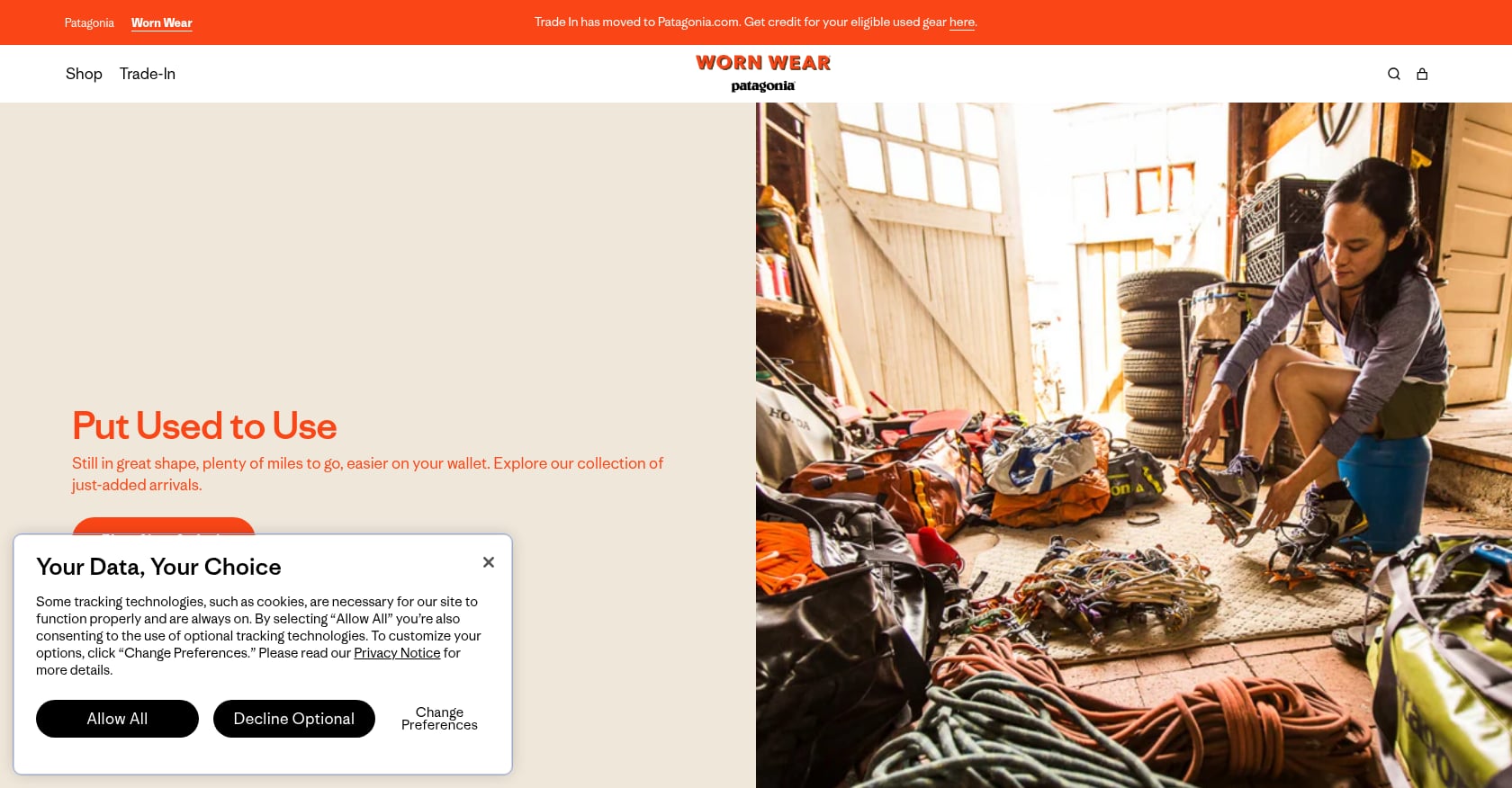
Worn Wear started as pop up events across the United States where customers brought in used Patagonia clothing to be repaired or exchanged. The concept resonated so strongly that Patagonia launched a permanent online resale platform.
Results:
40% growth in revenue and profitability for the Worn Wear program
Attracted customers on average 10 years younger than typical Patagonia buyers
An estimated 120,000 repurposed items sold
Why it works: This was never just a marketing stunt. It was a strategic shift turning circularity into loyalty, and loyalty into revenue. The younger customer acquisition alone justifies the investment. For brands struggling with how to make sustainability feel tangible at retail, Patagonia proved that giving customers something to do (bring, repair, exchange) beats telling them something to believe.
3. IKEA Sleepeasy
Best for: Converting community enthusiasm into a physical experience
Activation type: Community Experiential
The original campaign started from a Facebook group called “I wanna have a sleepover in IKEA” that had over 100,000 members. IKEA responded by inviting 100 participants for an actual night in store. That early activation generated over 330 editorial pieces.
The concept evolved. In 2025, IKEA’s Sleepeasy in SoHo was a 14,000 square foot installation open to the public, showcasing six essentials for quality sleep through IKEA’s newest sleep line.
Results:
The original activation reached 23,000+ additional Facebook users and generated 330+ editorial mentions
The 2025 Sleepeasy drew more than 5,000 visitors during its first weekend
Increased bedding sales followed
Why it works: IKEA didn’t manufacture demand. It listened to existing enthusiasm and gave it a physical home. The activation was inherently social, built for documentation, and directly tied to a product category. This is a masterclass in designing for shareability first.
For more on designing immersive brand experience strategy, the IKEA model is worth studying closely.
4. Samsung Flipvertising
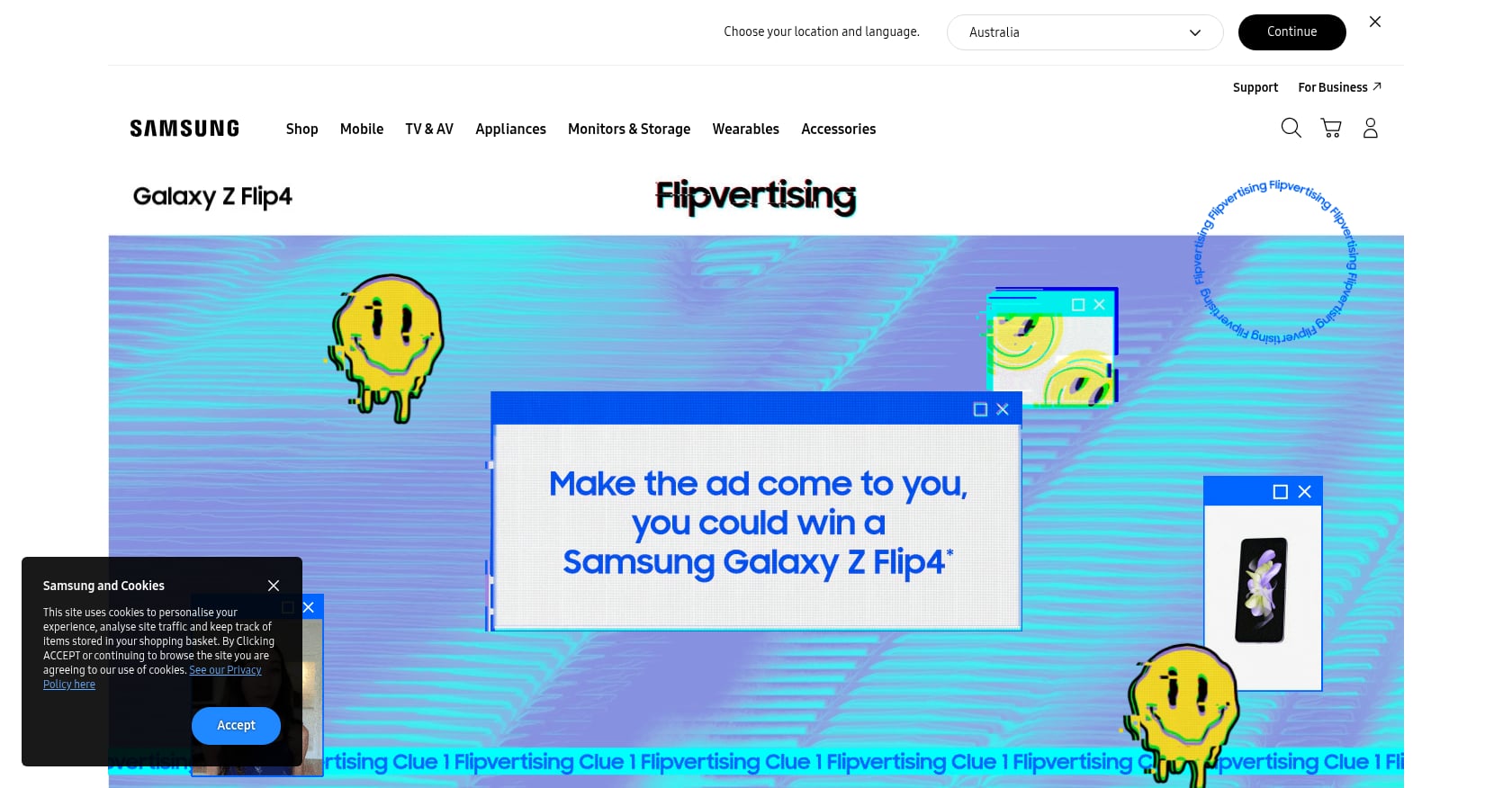
Best for: Gamified engagement with predefined sales KPIs
Activation type: Gamified Scavenger Hunt
Samsung created a scavenger hunt mechanism where consumers actively participated rather than passively observed. The campaign was participatory by design. Importantly, Samsung defined both search volume and sales lift as KPIs before launch, not after.
Results:
34% lift in sales
Why it works: Practitioners on marketing forums consistently point out that the best activations make people do something. Samsung took that principle literally. The scavenger hunt format created urgency, participation, and a clear conversion path. Pre setting KPIs meant Samsung could optimize in real time instead of scrambling for metrics after the fact.
5. Apple TV+ Severance at Grand Central Terminal
Best for: Turning a physical activation into a content engine
Activation type: Immersive Installation
To promote the series Severance in January 2025, Apple TV+ recreated a Lumon Industries Macrodata Refinement department inside Grand Central Terminal. Office tech, minimalist desks, and cookie cutter outfits perfectly mirrored the show’s on screen aesthetic. Commuters walked into what felt like a portal into the show’s world.
Results:
The activation went viral across social platforms, generating millions of organic impressions
Coverage in major publications as both a marketing story and a cultural moment
Why it works: This isn’t technically a retail activation, but the principle translates directly. Apple designed the entire experience to be documented. Every surface, every detail was built for someone’s phone camera. The activation was the content. Brands planning retail activations should steal this thinking: if your activation isn’t worth photographing, it’s not worth building.
6. Lush Store Activism + Product Demos
Best for: Making the store itself a platform for engagement and values
Activation type: In Store Demo + Cause Activation
Lush integrates activism into its retail identity. Several locations host campaigns, petitions, and cause driven installations, making the store a platform for engagement rather than just transactions. On the product side, open demonstrations where customers make bath bombs transform browsing into active participation.
Results:
Solid products like shampoo bars reduced water consumption by 450,000 litres per year and eliminated 6 million plastic bottles annually
Why it works: Lush doesn’t separate its activism from its commerce. The demo is the activation. The cause is the brand. This works because it’s authentic and ongoing rather than a one off stunt. For brands exploring how to avoid greenwashing, Lush’s approach shows that consistency between message and operations is the real credibility test.
7. Nike Running Pop Ups
Best for: High touch product trials that reinforce brand ethos
Activation type: Pop Up + Product Trial
Nike Running pop ups appear at major marathon events worldwide. Runners test the latest footwear on treadmills with gait analysis, receive personalized advice from Nike coaches, and join pre race group runs. These aren’t passive displays. They’re interactive environments where consumers live out the “Just Do It” ethos through product trials, expert workshops, and digital engagement.
Results:
Strong repeat attendance and social media amplification from runners documenting their experiences
Direct product trial to purchase pipeline
Why it works: Nike places the activation where the intent already exists. Marathon runners are already thinking about gear. The pop up removes friction between consideration and trial, and the personalization (gait analysis, coaching) creates a reason to choose Nike specifically.
8. Taco Bell Hotel
Best for: Generating massive earned media with zero paid spend
Activation type: Branded Immersive Experience
Taco Bell converted a Palm Springs hotel into a fully branded resort. Themed rooms, a hot sauce packet swim up bar, a Baja Blast pool, and every surface designed to be photographed. This was maximalism as strategy.
Results:
More than 5,000 media stories
75% of Taco Bell’s total media coverage that year
Zero paid media spend
Why it works: The Taco Bell Hotel was designed for documentation from the first sketch. Every room, every drink, every surface was content waiting to happen. The brand trusted that an absurdly on brand physical experience would generate its own media. It did. This is the clearest proof that designing for shareability isn’t a nice to have. It’s a media strategy.
Explore purpose driven activation campaigns →
9. Grove Collaborative at Target
Best for: A cautionary tale about matching activation ambition to economic reality
Activation type: Educational Display
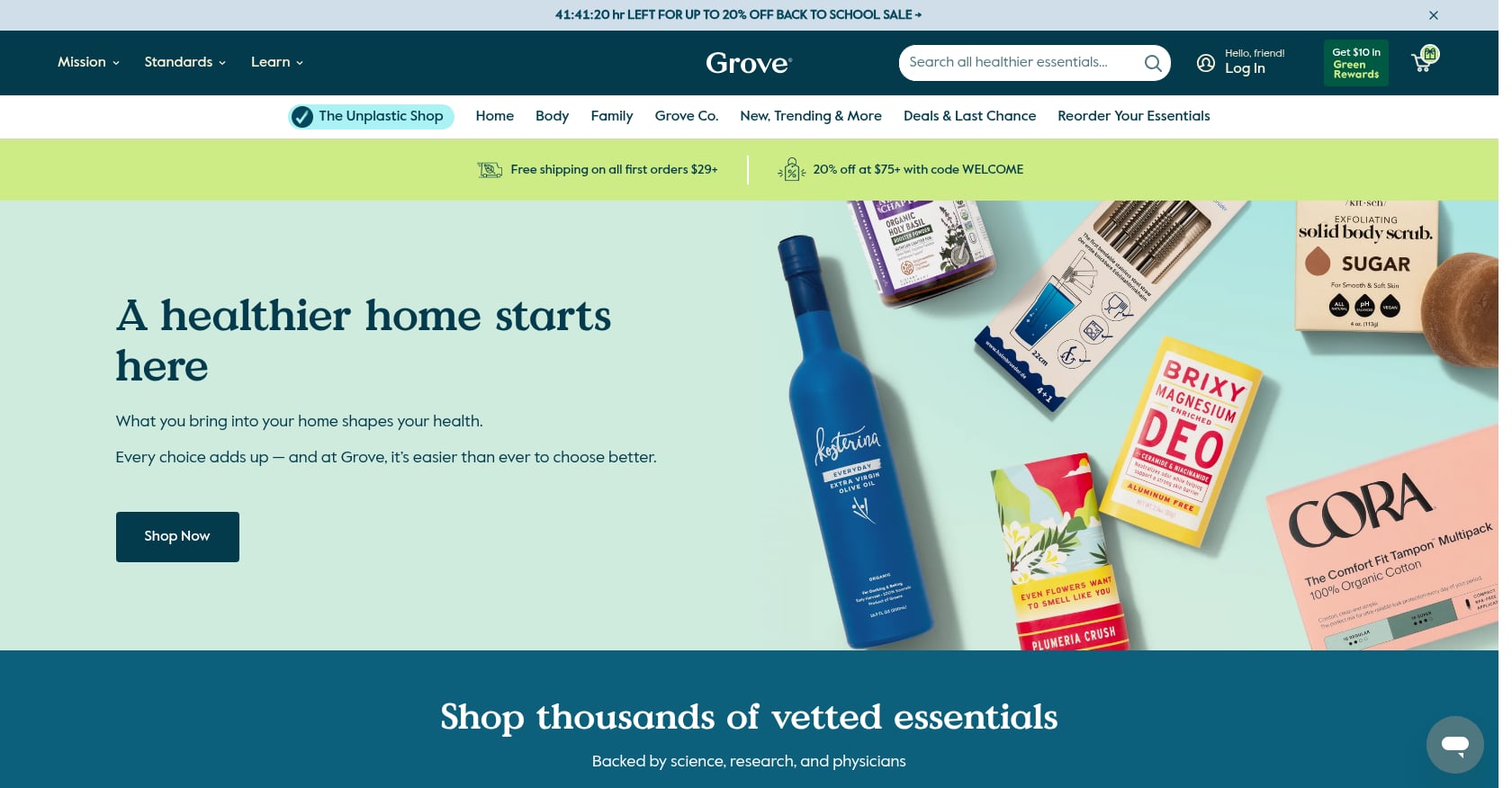
DTC brand Grove Collaborative ventured into physical retail for the first time through Target, using in store educational displays to convince shoppers to transition to sustainable, plant based household products. The expansion eventually brought Grove’s retail footprint to over 5,700 brick and mortar stores.
Results:
Significant initial awareness and trial in Target locations
Grove later pulled its branded products out of physical retail stores like Target and CVS because the physical channel never became profitable. Customers shied away from the higher price points.
Why it works (and doesn’t): Grove’s retail activation concept was sound. Educational displays that teach shoppers why to switch categories have proven value. But execution must match economics. If the price premium is too steep for the channel’s customer, no amount of beautiful POS material will save you. This is a critical lesson most listicles skip. Understanding the barriers to sustainable purchasing is just as important as designing an attractive activation.
10. Energy Floors x IKEA Kinetic Floor
Best for: Tech forward sustainability signaling that generates real energy
Activation type: Kinetic / Eco Tech Installation
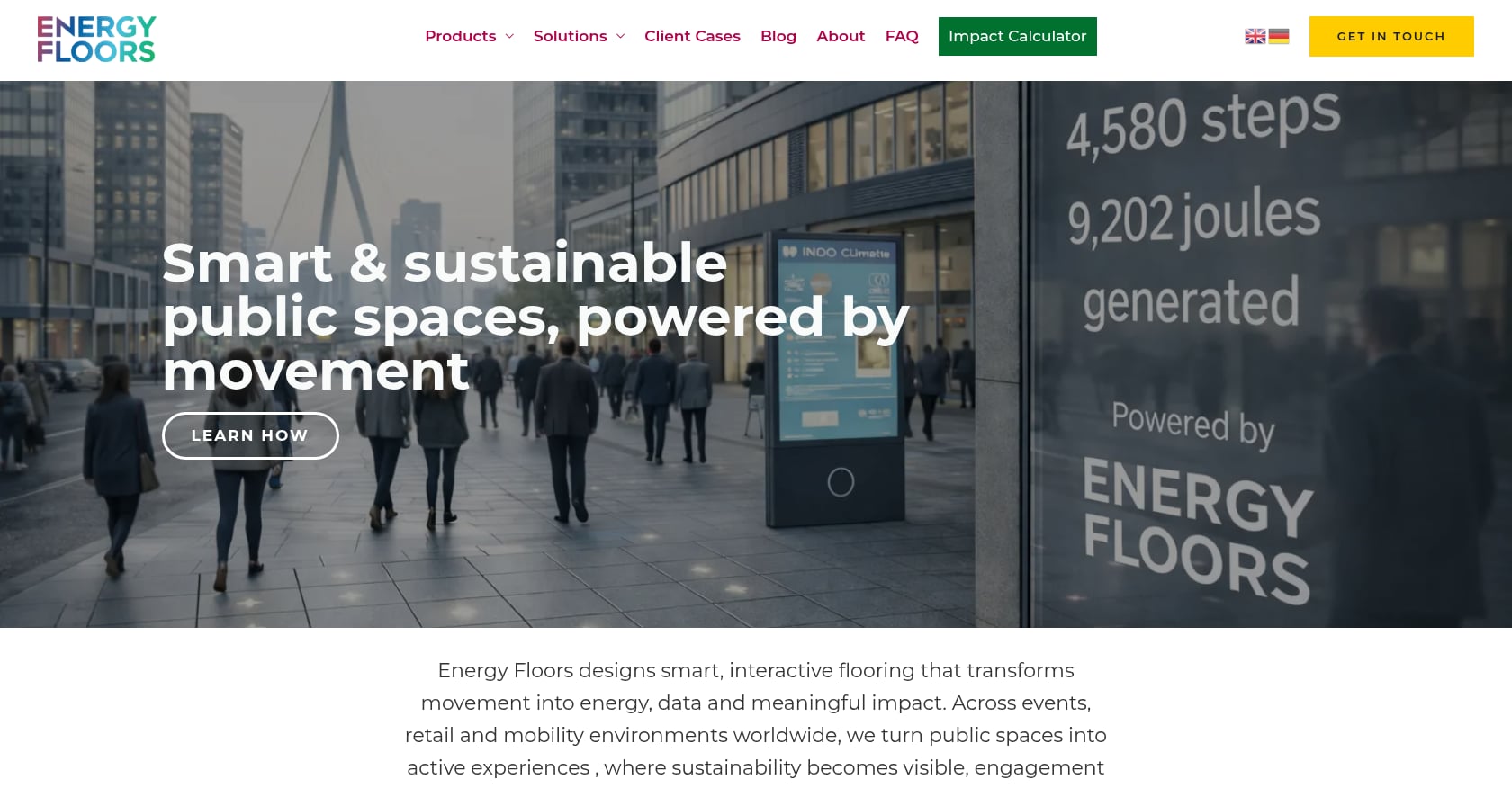
Energy Floors’ kinetic technology turns foot traffic into renewable energy. When deployed in retail settings (including IKEA activations), shoppers literally power the experience by walking on it. The activation merges physical engagement with visible environmental impact.
Results:
Measurable energy generation from foot traffic
Strong novelty factor driving social sharing and dwell time
Why it works: This makes sustainability physical and immediate. Instead of asking shoppers to read about a brand’s carbon commitments, you show them energy being generated under their feet. It’s the difference between telling and proving. For brands looking to make abstract sustainability claims tangible and verifiable, this technology offers a compelling format.
11. UNIQLO PUFFTECH Exhibition

Best for: Blending physical attendance with digital amplification through FOOH
Activation type: Exhibition + Fake Out of Home (FOOH)
UNIQLO created a PUFFTECH exhibition that combined physical product display with FOOH content, a technique where CGI makes it appear as though massive brand installations exist in real world locations when they don’t.
Results:
850+ in person attendees
1.3 million FOOH views online
Why it works: The physical exhibition drew a modest but engaged audience. The FOOH content extended reach by three orders of magnitude. This hybrid model is increasingly relevant as the line between physical and digital retail activation blurs. The 850 attendees became the credibility anchor that made 1.3 million people stop scrolling.
12. Samsung Home Entertainment at Best Buy
Best for: Scalable in store demo programs within existing retail partnerships
Activation type: In Store Demo
Samsung ran a focused Home Entertainment activation inside Best Buy stores, deploying trained brand ambassadors to engage shoppers directly with product demonstrations.
Results:
6% lift in incremental sales
40,000 engaged consumers over just two months
Why it works: This is the workhorse retail activation example. No viral gimmick, no immersive installation. Just trained people demonstrating products in the right location. The 6% incremental sales lift across two months proves that consistent, well staffed demo programs deliver reliable returns. Event staffing practitioners on Reddit report that a trained brand ambassador drives 3 to 4x more conversions than someone just standing around, and stores adding just one trained staff member during peak hours see up to 2x higher engagement. Execution is 70%. The idea is 30%.
13. Pokémon Center Pop Ups (Fandom IP Themed Retail)
Best for: Monetizing an existing fanbase through limited edition physical retail
Activation type: Fandom IP Themed Pop Up
Pokémon Center pop ups appear in major cities like London, New York, and Tokyo, transforming empty retail spaces into fully themed stores packed with exclusive merchandise, interactive play stations, and photo ops. Each pop up is tied to a game launch or anniversary, creating built in urgency. Fans camp overnight. Lines stretch around the block. The merchandise is often exclusive to the pop up, which makes attendance feel like an event rather than a shopping trip.
Practitioners on Reddit who attended these pop ups describe the experience as “half store, half theme park,” noting that the environmental design (life size Pikachu statues, themed music, staff in character) makes it impossible not to buy something. The limited run creates FOMO that no permanent store can match.
Results:
Consistent sellouts of exclusive merchandise within hours
Social media flooded with user generated content from each location
Multi hour queues that themselves generate press coverage
Why it works: The IP does the heavy lifting on demand generation, but the activation format matters enormously. By making the store temporary and the merchandise exclusive, Pokémon turns shopping into a pilgrimage. Any brand with a passionate fanbase (gaming, entertainment, sports) can adapt this model. The key is scarcity. If the product is always available, the activation loses its pull.
14. Glossier Flagship (Phygital Retail Experience)
Best for: Building a physical brand world that bridges online and offline
Activation type: Phygital Concept Store
Glossier’s New York flagship on Lafayette Street became one of the most photographed retail spaces in the world. The store was designed as a physical extension of the brand’s Instagram aesthetic, with millennial pink walls, selfie mirrors at every turn, and product testers that mimicked the browsing experience of the website. QR codes let shoppers scan products for reviews. Orders placed in store shipped directly to homes, eliminating the need to carry bags.
This phygital approach (blending physical and digital) turned the store into both a showroom and a content studio. Visitors spent an average of 30+ minutes inside, far exceeding typical retail dwell times.
Results:
At peak, the flagship attracted an estimated 50,000+ visitors per week
The store became a destination, not just a shop, driving foot traffic to the surrounding neighborhood
Conversion rates exceeded those of comparable DTC brands’ physical retail experiments
Why it works: Glossier understood that for a digitally native brand, the physical store shouldn’t replicate the website. It should do what the website can’t: create a sensory, social, shareable experience. The phygital layer meant no friction between browsing in person and buying digitally. For brands weighing a first physical retail presence, this model proves the store is the marketing.
15. Sephora Virtual Artist (Augmented Reality Try On)
Best for: Reducing purchase anxiety and returns through AR product trial
Activation type: Augmented Reality Try On
Sephora’s Virtual Artist, powered by ModiFace technology, lets shoppers try on thousands of lipstick shades, eyeshadow palettes, and foundation colors through their phone camera or in store screens. The AR overlay maps the product onto the shopper’s face in real time, making it possible to test 50 shades in under two minutes instead of physically swatching each one.
The technology works both inside Sephora stores (on dedicated screens) and through the Sephora app, creating a seamless try before you buy experience regardless of channel.
Results:
Over 200 million shades tried through the platform within its first years
Reduced product return rates for color cosmetics
Higher average order values when AR was used before purchase
Why it works: AR try on solves a real problem: the fear of buying the wrong shade. That fear is one of the biggest purchase barriers in color cosmetics. By removing that friction digitally, Sephora increases both confidence and basket size. The in store screens also drive dwell time, keeping shoppers engaged longer. Any category where fit, color, or sizing creates hesitation (eyewear, apparel, home paint) can benefit from this activation type.
16. Coca Cola Hug Machine (Gamified Loyalty Vending)
Best for: Creating viral product trial moments through interactive vending
Activation type: Gamified Vending Machine
Coca Cola placed custom vending machines on college campuses and in high traffic areas that dispensed free Cokes, but only when someone hugged the machine. The mechanic was absurdly simple and wildly effective. People lined up to embrace a vending machine, their friends filmed it, and the content spread organically.
Later iterations of Coca Cola’s vending activations included machines that required dance moves, singing, or cooperative actions between two strangers. Each version turned a mundane transaction into a participatory social moment.
Results:
Videos from the Hug Machine campaign earned millions of organic views across YouTube and social
Massive earned media coverage globally
Repeat deployment across multiple markets confirmed the concept’s scalability
Why it works: The gamified vending machine format works because the barrier to participation is almost zero (hug the machine, get a free drink) while the social reward is high (a funny video to share). The machine itself becomes the content creator’s prop. For brands with broad consumer appeal, gamified vending is one of the most cost effective ways to generate trial and social content simultaneously.
17. Red Bull Campus Prize Locker Activation
Best for: Reaching Gen Z on their turf with product trial and data capture
Activation type: Campus Prize Locker
Red Bull has deployed prize lockers at college campuses where students scan a code, complete a quick challenge (social share, trivia, or brand interaction), and unlock a locker containing Red Bull products, branded merchandise, or event tickets. The activation works because it meets students exactly where they are (libraries, student unions, dorm lobbies) and gamifies what would otherwise be a standard sampling event.
Practitioners in event marketing forums describe campus prize lockers as “the new sampling table,” noting that the gamified mechanic increases both participation rates and social sharing compared to traditional hand out programs. One campus activation manager shared in a YouTube walkthrough that lockers with a digital unlock mechanic saw 3x higher engagement than standard sampling stations.
Results:
Strong trial rates among 18 to 24 year olds
Built in data capture through the scan and unlock mechanic
Higher social sharing rates compared to traditional sampling
Why it works: The locker format adds mystery and reward to a product trial. Students don’t just receive a can; they earn it. That small psychological shift turns passive recipients into active participants. The digital unlock also captures first party data (emails, social handles) that sampling alone can’t deliver. Any brand targeting college aged consumers should consider this format as an alternative to traditional campus marketing.
18. Cards Against Humanity “Store” (Guerrilla Fake Store Stunt)
Best for: Generating disproportionate attention through a controlled absurdity
Activation type: Guerrilla Fake Store Stunt
Cards Against Humanity opened a pop up “store” in Chicago that sold nothing. Instead, visitors could pay $5 to watch an employee dig a hole in the ground (the “Holiday Hole” campaign) or browse a retail space filled with satirical commentary on consumerism. The “store” was the joke, and the joke was the marketing.
The brand has repeated variations of this guerrilla retail concept multiple times, including selling literal nothing (a $5 “nothing” product), cutting a Picasso in half, and briefly selling customers’ personal data back to them. Each activation generated outsized media coverage relative to cost.
Results:
Millions of dollars in earned media from each stunt
Consistent social virality, with individual campaigns trending on Twitter/X for days
Reinforced the brand’s irreverent identity with zero traditional advertising spend
Why it works: Guerrilla fake store stunts work when the brand identity fully supports the absurdity. Cards Against Humanity’s audience expects provocative humor, so the activation felt authentic rather than forced. This format is not for every brand. But for companies with a strong, distinct voice and a willingness to be genuinely weird, it proves that you don’t need inventory to drive retail activation results. You need a shareable idea and the nerve to execute it.
19. UNIQLO Lucky Cube (Store Traffic Voucher Incentive)
Best for: Converting digital engagement into physical store visits
Activation type: Store Traffic Voucher Incentive
UNIQLO ran the “Lucky Cube” campaign, which used a mobile game mechanic to drive foot traffic. Customers played a simple digital game on their phones, earned a discount voucher, and could only redeem it in a physical UNIQLO store within a limited window. The gamified mechanic created urgency, while the voucher solved the hardest problem in modern retail: getting people off their phones and into the store.
Results:
Measurable increase in store foot traffic during the campaign window
Higher in store basket sizes among voucher redeemers compared to regular walk ins
The campaign was replicated across multiple markets after initial success
Why it works: The voucher incentive model is deceptively simple but addresses a fundamental challenge. Digital advertising can build awareness, but converting that awareness into a store visit requires an explicit reason to show up. The game layer makes the voucher feel earned rather than given, which increases redemption rates. Practitioners in retail marketing forums note that earned discount vouchers see 2x to 3x higher redemption rates than generic promotional codes. Any brand with a physical retail footprint and a digital audience can run this playbook.
20. Glossier You Concept Store (Concept Store Activation)
Best for: Launching a new product through an immersive, single product retail environment
Activation type: Concept Store Activation
When Glossier launched its fragrance “You,” it didn’t just add the product to existing stores. It created a temporary concept store in New York designed entirely around the scent experience. Visitors walked through rooms that represented different fragrance notes, each with distinct lighting, textures, and sounds. The store didn’t push sales. It immersed visitors in the brand’s sensory world and let the product speak for itself.
The concept store format differs from a standard pop up because it’s built around a single idea or product, not a brand catalog. Every design choice reinforces one message. In this case: fragrance is personal.
Results:
Long lines and significant press coverage during the limited run
High conversion rates among visitors who completed the full walkthrough
Social media content generated organically by visitors documented the experience extensively
Why it works: Concept stores work best for product launches where the experience of the product is hard to communicate digitally. Fragrance, texture, taste, and sound are all categories where a concept store can do what no website or ad can. The single product focus keeps the message clear and prevents the activation from becoming a generic brand showcase. This is a format worth considering for any launch where the product’s sensory qualities are its main selling point.
What the Best Retail Activations Have in Common
After analyzing these 20 retail activation examples, five patterns emerge consistently across the campaigns that delivered the strongest results.
They designed for documentation. Social amplification wasn’t a hoped for bonus. It was a design decision baked into the activation from the start. Taco Bell’s hotel, IKEA’s Sleepeasy, Apple’s Severance installation, and Glossier’s flagship were all built surface by surface for someone’s phone camera.
They made people do something. The best activations are participatory, not observational. Samsung’s scavenger hunt, Nike’s gait analysis, Lush’s bath bomb demos, Patagonia’s trade in events, Red Bull’s prize lockers, and Coca Cola’s Hug Machine all required consumer action. Participation creates memory.
They measured what mattered, before launch. Samsung defined search volume and sales lift as KPIs before the Flipvertising campaign went live. Tide tracked cold water load adoption rates. The brands that measured effectively are the ones with results worth citing.
They connected to a category driver, not just a brand message. Tide linked sustainability to savings. Patagonia linked circularity to a younger customer base. Nike linked pop ups to race preparation. Purpose without commercial connection is a hobby, not a strategy. For more on bridging that gap, the guide on commercializing sustainability breaks down the process.
Staff training mattered more than set design. The Samsung Best Buy activation didn’t have immersive rooms or kinetic floors. It had well trained brand ambassadors. A 98% purchase inclination rate after attending an activation event (per EventTrack data) only materializes when the human interaction lands.
The P.A.R.T.I.C.I.P.A.T.E. Framework for Retail Activations
The strongest retail activations consistently follow the same process.
P = Participation. Consumers should interact with the experience rather than observe it.
A = Audience alignment. Place the activation where buying intent already exists.
R = Retail integration. Connect the activation directly to the shopping environment.
T = Tangible value. Give consumers a measurable benefit.
I = Immersive design. Create an experience worth documenting.
C = Clear KPIs. Define success before launch.
I = Incentives. Reduce barriers to participation.
P = Product relevance. Keep the product at the center of the experience.
A = Amplification. Extend reach through social sharing.
T = Training. Equip staff to deliver the experience.
E = Evaluation. Measure results and optimize future campaigns.
For a structured approach to planning campaigns that hit all eleven marks, explore how to build a brand activation strategy from the ground up.
How to Measure Retail Activation Success
Most measurement systems for retail activations are a patchwork of standalone KPIs that aren’t integrated or predictive. That’s a problem. Experiential activations need their own norms, and the measurement framework should be defined before the activation launches.
Here’s a four tier framework:
KPI Category | Metrics | Target Benchmark |
|---|---|---|
Reach | Foot traffic | +20 to 30% |
Engagement | Dwell time | +25% |
Conversion | Sales lift | +5 to 15% |
Brand | Recall | +20% |
Social | Shares | +30% |
Customer acquisition | New customers | +10 to 20% |
Direct takeaway: Sales lift alone shouldn’t determine success. A campaign that increases customer acquisition or improves brand recall may produce greater long term ROI than one focused exclusively on immediate transactions.
Emotionally connected customers deliver 306% higher lifetime value, which means brand tier metrics often dwarf conversion tier metrics over time. Measure all four levels, not just the ones that produce quick wins for your next quarterly review.
How to Make Your Retail Activation Purpose Driven
Sixty four percent of consumers say they choose eco friendly products. But saying and buying are different actions. The retail activation examples above that combined purpose with performance (Tide, Patagonia, Lush) all share a common approach: they made the purpose tangible at the moment of decision.
Three principles worth stealing:
Link the sustainability commitment to a category driver. Tide didn’t say “save the planet.” It said “save $150 a year.” The environmental benefit was real but framed through the lens of what actually drives detergent purchases. When planning your own activation, connect sustainability initiatives to the need states and brand attributes that drive purchase intent.
Make abstract commitments tangible and verifiable. Energy Floors generates electricity under your feet. Lush’s shampoo bars eliminate visible plastic bottles. Sephora’s AR try on reduces returns (and the waste that comes with them). These aren’t claims on a poster. They’re experiences that prove the point.
Be honest about the economics. Grove Collaborative’s educational displays were well designed but couldn’t overcome a price premium that didn’t match the channel’s customer. Purpose driven retail activation still has to make commercial sense. Authenticity includes admitting when the model doesn’t work.
Talk to a retail activation specialist →
How to Choose the Right Retail Activation for Your Brand
Use this decision matrix when selecting an activation strategy.
If your goal is… | Consider… |
|---|---|
Immediate sales | Product demonstrations |
Brand awareness | Immersive experiences or guerrilla stunts |
Loyalty | Trade in programs |
Sustainability | Circular retail |
User generated content | Gamification or fandom IP pop ups |
Product education | Interactive displays or AR try on |
Store traffic | Voucher incentive campaigns |
Gen Z targeting | Campus prize lockers or gamified vending |
Product launch | Concept store activation |
Blended online/offline | Phygital retail experience |
The most successful campaigns align the activation format with a specific business objective rather than copying a competitor’s campaign. For more guidance on matching format to objective, the best retail activation campaigns roundup provides additional benchmarks.
Frequently Asked Questions
What is a retail activation?
A retail activation is a marketing experience designed to engage shoppers in a physical space, whether in store, at a pop up, or in a public venue, with the goal of driving trial, purchase, or brand loyalty. It goes beyond traditional shelf placement by creating moments of participation and connection.
How much does a retail activation cost?
Costs vary enormously. An in store sampling program at a single retailer might run $10,000 to $50,000. A full immersive experience like the Taco Bell Hotel or Apple’s Severance installation can cost millions but generate billions in earned media. The key question isn’t what it costs but what it returns. Define your KPIs before budgeting.
What are the most effective types of retail activations?
Based on the examples in this article, the most consistently effective types are product sampling and demos (high conversion), gamified experiences (high engagement), pop up shops (51% visibility lift, nearly 50% sales increase), AR try on (friction reduction and higher order values), and circular or trade in events (strong loyalty and younger customer acquisition). The right type depends on your category, customer, and objectives.
What is a phygital retail experience?
A phygital retail experience blends physical and digital elements in a single environment. Glossier’s flagship store is a prime example: physical product testing combined with QR code scanning, digital reviews, and online checkout from the store floor. The goal is to eliminate the gap between browsing in person and buying digitally, creating a seamless experience that neither channel delivers alone.
What is a fandom IP themed retail pop up?
A fandom IP themed pop up is a temporary store built around a specific entertainment, gaming, or cultural property. Pokémon Center pop ups are the clearest example, combining exclusive merchandise, immersive theming, and limited availability to turn shopping into an event. This format works best for brands with passionate existing fanbases.
How do you measure retail activation ROI?
Use a four tier framework: reach (impressions, foot traffic), engagement (dwell time, interactions), conversion (sales lift, sample to purchase rate), and brand (recall, sentiment, repeat purchase). The best campaigns, like Samsung Flipvertising, define these KPIs before launch rather than retrofitting metrics afterward.
Can retail activations be sustainable or purpose driven?
Yes, and the data suggests they should be. Campaigns like Tide #TurnToCold and Patagonia Worn Wear show that linking sustainability to a tangible consumer benefit (savings, product quality, community) outperforms generic eco messaging. The key is connecting purpose to a category driver rather than treating it as a standalone message.
What is the intention action gap in retail activation?
The intention action gap is the difference between what consumers say they value (sustainability, ethical purchasing) and what they actually buy. The best retail activations close this gap by making the sustainable choice easier, more visible, or more rewarding at the point of decision. Learn more about the intention action gap and how brands are addressing it.
How important is staff training for retail activations?
Critical. A trained brand ambassador drives 3 to 4x more conversions than an unprepared one. Stores adding just one trained staff member during peak hours see up to 2x higher engagement. The idea is only 30% of the equation. Execution, which starts with the people on the ground, accounts for the rest.
Where can I find a retail activation agency?
Look for agencies that combine strategic planning with hands on execution capability and, ideally, experience connecting purpose to commercial outcomes. For a curated guide, see this overview of the best brand activation agencies for retail brands.