
 Gaia
GaiaTL;DR
The best retail activation campaigns combine a clear brand story with measurable outcomes at the point of purchase. Purpose-driven activations consistently outperform generic ones, attracting younger audiences and generating stronger earned media. This article covers 13 campaigns (from Patagonia to Coca-Cola to Dick’s Sporting Goods) with hard numbers, honest tradeoffs, and a reusable framework you can apply to your own retail activation planning.
Quick Answer: What Are the Best Retail Activation Campaigns?
The best retail activation campaigns turn shopper engagement into measurable action, such as product trial, store visits, sales, leads, or repeat purchases. Standout examples include Patagonia’s Worn Wear, Coca-Cola’s Share a Coke, IKEA’s Sustainable Living Shop, Glossier’s pop-ups, Nike’s experiential events, and Dick’s Sporting Goods’ experiential stores. The strongest campaigns combine a clear brand idea, an engaging in-store experience, point-of-purchase relevance, measurable KPIs, and a mechanism that can be repeated or scaled.
The key takeaway: A successful retail activation is not simply an attention-grabbing event. It connects the brand experience directly to shopper behavior and produces measurable commercial results.
What Is a Retail Activation Campaign?
A retail activation campaign is a marketing initiative designed to influence shopper behavior at or near the point of purchase. It can include in-store demonstrations, product sampling, interactive displays, temporary pop-ups, experiential stores, personalization stations, educational installations, retail events, and other experiences designed to move consumers from awareness to action.
Unlike traditional advertising, retail activation is built around what the shopper does next.
That action might be:
Trying a product
Visiting a store
Making a purchase
Increasing basket size
Signing up for SMS or email
Sharing branded content
Returning a product for recycling or resale
Purchasing a new product after education or demonstration
The defining characteristic is behavioral intent. A retail activation should give consumers a reason to interact with the brand and make the next step easier.
Retail Activation vs. Brand Activation
Brand activation is the broader category. It includes experiences that can take place online, at festivals, through sponsorships, at events, or in other environments.
Retail activation is more closely connected to the shopping journey and point of purchase.
Retail Activation | Brand Activation | |
|---|---|---|
Primary goal | Influence shopper behavior | Increase brand engagement |
Typical location | Store, shelf, mall, retail event | Anywhere consumers interact with a brand |
Key metrics | Sales, conversion, trial, basket size | Reach, engagement, awareness, brand lift |
Purchase connection | Usually direct | May be indirect |
Examples | Sampling, demos, pop-ups, interactive displays | Festivals, sponsorships, social campaigns, experiences |
The distinction matters because a retail activation should ultimately create a measurable connection between engagement and commercial behavior.
At-a-Glance Comparison
Campaign | Brand | Activation Type | Primary KPI / Result | Best For | Scalability |
|---|---|---|---|---|---|
Worn Wear | Patagonia | Repair / circular retail | 40% Worn Wear revenue growth; 583K+ items kept in use | Sustainability & outdoor brands | High |
Share a Coke | Coca-Cola | Personalization | 2.5% U.S. sales increase | CPG / mass retail | Very High |
Run for the Oceans | Adidas × Parley | Cause + participation | 14M+ participants | Global consumer brands | Very High |
Naked Stores | Lush | Store-format experience | Sales lift across Lush stores | Beauty / purpose-led retail | Medium |
Sustainable Living Shop | IKEA | In-store education / nudges | Active across 32 markets | Mass-market retailers | Very High |
Food Waste Roadshow | Imperfect Foods | Community pop-up | 172.5M lbs of food saved across the broader program | Mission-driven brands | Medium |
Target Displays | Grove Collaborative | Retail education | Up to 25% sales lift for concentrates | DTC brands entering retail | High |
Glossier Pop-Ups | Glossier | Experiential pop-up | 2,000+ SMS leads per activation | DTC / beauty | Medium |
Nike Running Events | Nike | Product trial | Trial-to-purchase conversion | Sports / footwear | High |
Disco Fitting Room | H&M | Experience | Reduced shopper friction | Apparel | Medium |
Timberland Grand Opening | Timberland | Craftsmanship | 2.2M impressions; 12,200 engagements | Heritage brands | Medium |
Experiential Store | Dick's Sporting Goods | Permanent experience | Store engagement / product trial | Sporting goods | Medium |
If you’re looking for help connecting purpose to in-store performance, get a complimentary assessment through Grounded World’s AI-assisted landscape diagnostic.
What Makes a Retail Activation Campaign “Best”?
Before jumping into examples, it’s worth defining what separates a great retail activation from a forgettable one. Most listicles skip this step, which leaves readers with no way to evaluate whether a campaign is actually relevant to their situation.
A useful framework comes down to five criteria:
Authenticity to brand. Does the activation reflect who the brand genuinely is, or does it feel grafted on? Purpose-driven brands are especially vulnerable here, where misalignment leads to greenwashing accusations.
Measurable outcome. If you can’t point to a number (sales lift, leads captured, repeat purchase rate), it was a stunt, not a strategy.
Shopper journey integration. The activation must sit close to the point of purchase. Practitioners on forums consistently note that an activation in one aisle pitching a product in a different aisle loses most shoppers in transit.
Content generation. According to EventTrack data, 98% of consumers create digital content at brand experiences, and virtually all of them share it. If your activation isn’t generating shareable moments, you’re leaving earned media on the table.
Scalability and repeatability. One-off events generate buzz. Programs generate revenue. The best retail activation campaigns are designed to run again.
One data point that should shape how you staff these activations: category-expert activators deliver 2 to 4x the sales lift compared to generic promotional staff. Execution matters more than the concept. A brilliant idea staffed by people who can’t answer product questions will underperform a simple sampling program run by knowledgeable brand ambassadors.
For a deeper look at brand activation strategy, including how to move from tactical stunts to strategic programs, that resource covers the full planning process.
Purpose-Driven Retail Activation Campaigns
Purpose-driven activations deserve their own category because the data increasingly shows they outperform. A 2025 Event Marketer study of 500 U.S. brands found experiential activations generated 65% higher trial rates than digital ads. When those activations carry authentic purpose, the multiplier grows: 70% of consumers become repeat customers after a meaningful brand experience, according to The Look Company.
The campaigns below prove that sustainability and social impact aren’t marketing costs. They’re commercial advantages.
1. Patagonia Worn Wear Tour and Repair Events
Best for: Circular economy brands looking to turn sustainability operations into customer acquisition channels.
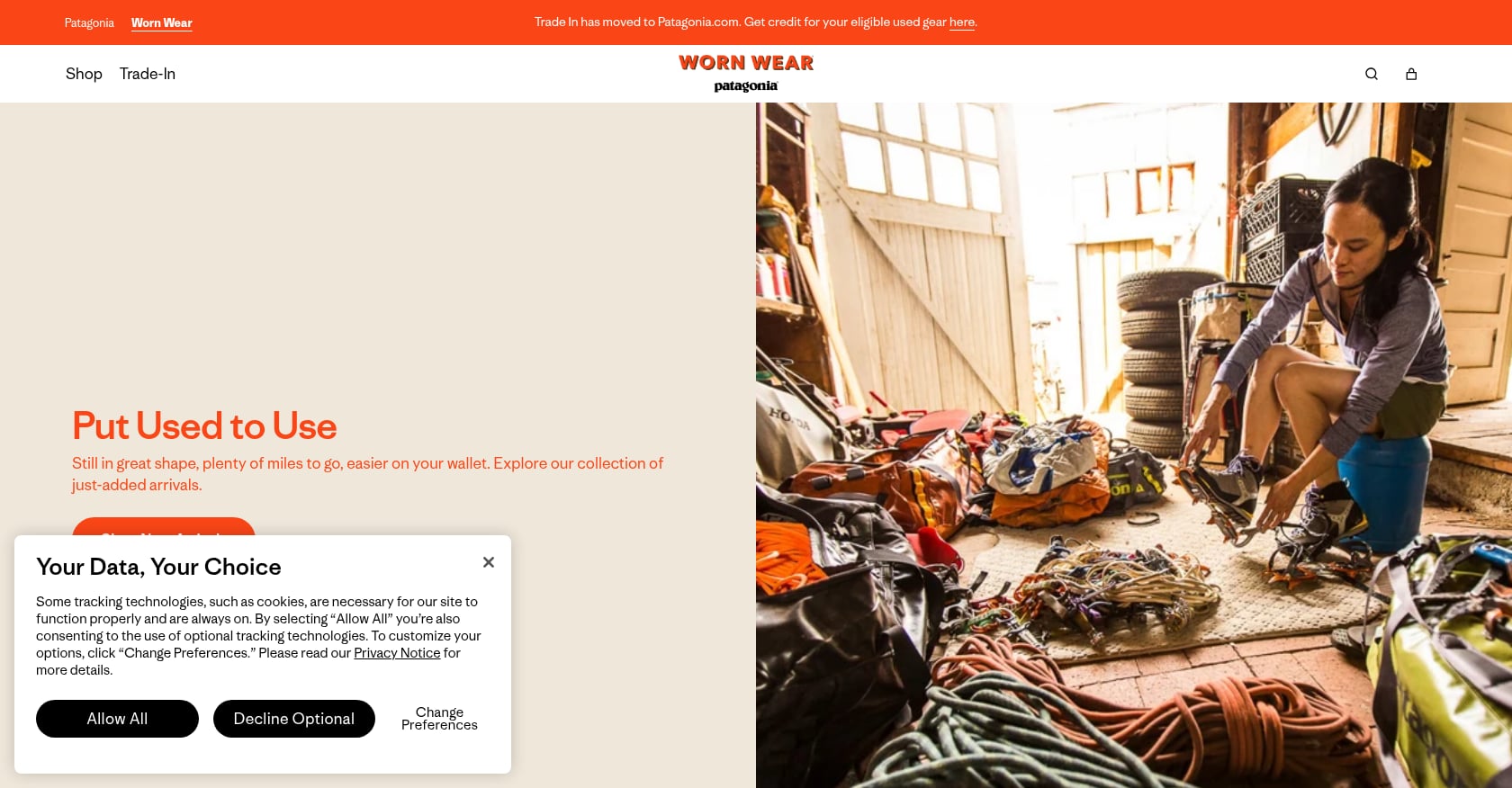
In 2012, Patagonia started hosting clothing swaps in their stores. It seemed like a modest community gesture. What it became was Worn Wear, one of the most sophisticated circular economy platforms in retail.
What they did: Customers trade in used Patagonia items for store credit. The company repairs and resells these items through dedicated Worn Wear channels and in-store events featuring live repair demonstrations.
The numbers:
Over 583,000 items kept out of landfills
40% growth in Worn Wear revenue and profitability
Customers attracted through Worn Wear average 10 years younger than typical Patagonia buyers
In 2012 (the program’s launch year), Patagonia’s overall sales jumped nearly one-third to $543 million
An estimated 120,000 repurposed items resold
What makes it work: The activation is inseparable from the business model. It’s not a campaign bolted onto a product launch. It is the product. For brands trying to close the intention-action gap, Worn Wear shows how to remove friction: give people store credit (a concrete incentive) for doing the sustainable thing.
Takeaway: When your activation IS your operations, it never goes out of season.
2. Adidas × Parley, Run for the Oceans

Best for: Global brands seeking cause partnerships that connect physical events to product sales at scale.
Adidas and Parley for the Oceans unveiled a concept shoe made from reclaimed marine plastic waste at the United Nations in 2015. That single product concept grew into a global movement.
What they did: Annual “Run for the Oceans” events combined physical running challenges with ocean plastic cleanups worldwide. Each event fed directly into product launches, with Adidas’ sustainable shoe lines prominently available at retail. The company also phased out plastic bags across its retail stores.
The numbers:
Over 14 million participants, making it the largest sustainability brand movement globally
Major sales increases in Adidas’ sustainable product lines
Measurable impact through coordinated plastic cleanups
The honest tradeoff: Adidas ended its partnership with Parley after nearly a decade. This is worth noting because it highlights a real risk: purpose partnerships must evolve or they stagnate. The initial energy fades if the collaboration doesn’t find new creative territory. Brands considering cause marketing partnerships should build in renewal mechanisms from the start.
Takeaway: Cause partnerships scale beautifully when they connect physical participation to product purchase, but plan for the partnership’s lifecycle, not just its launch.
3. Lush Naked Stores
Best for: Retailers who want the store format itself to be a permanent activation.
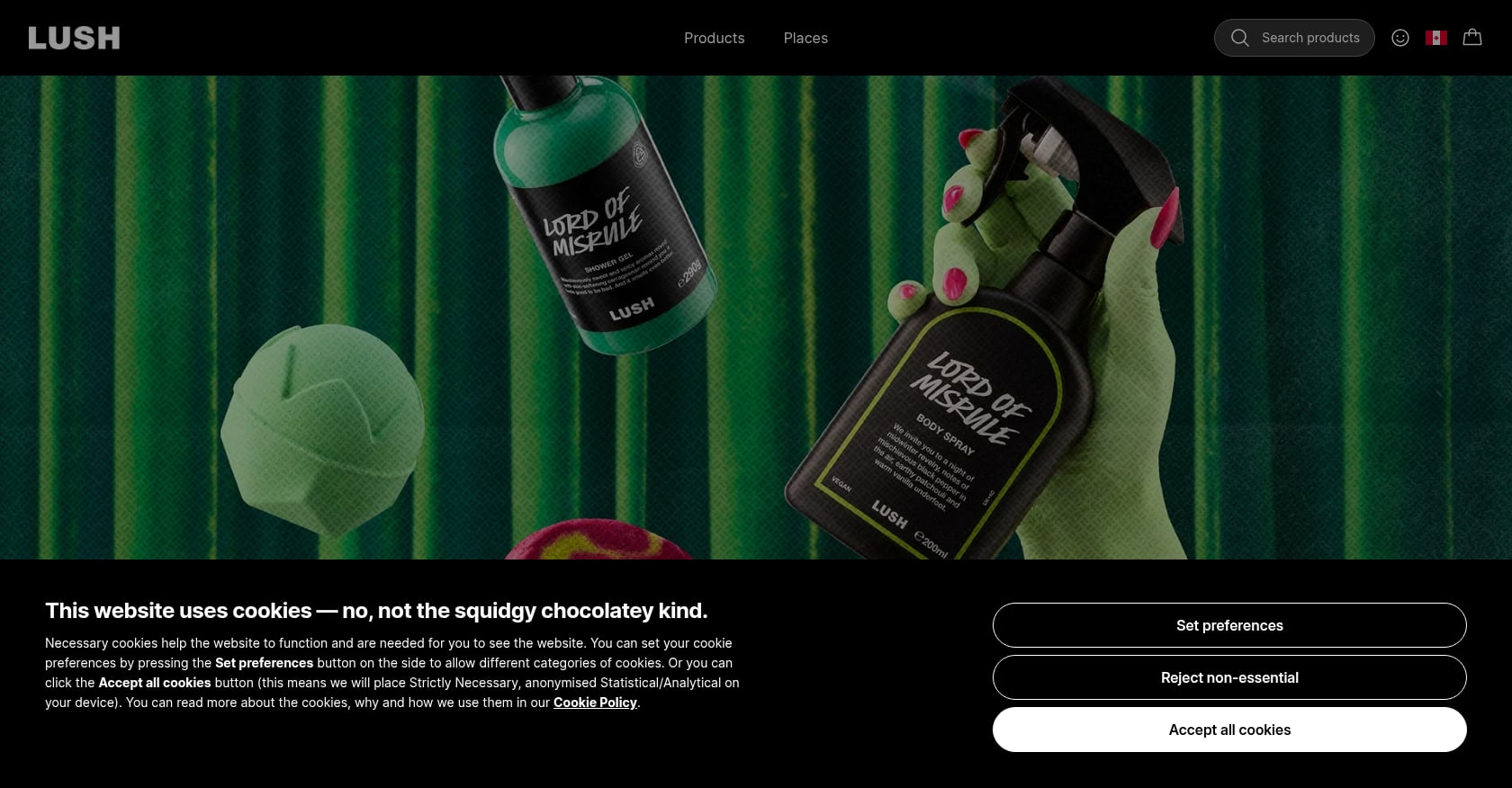
In early 2019, Lush opened its first packaging-free “Naked” store in the UK. The concept was radical: no packaging, no plastic, no traditional retail fixtures. Just product, water, and education.
What they did: Staff at the Manchester opening volunteered to wear nothing except black aprons reading “Ask me why I’m naked.” The stores function as immersive discovery hubs, with product demonstrations, sinks for hands-on testing, and a try-before-you-buy model that converts curiosity into purchase.
The numbers:
The publicity generated measurable sales lifts across all Lush stores, not just the Naked locations
Won the Champion of Sustainability award at The Vogue Beauty Awards 2019
What makes it work: Lush turned an operational commitment (eliminating packaging) into a retail experience. The store format IS the campaign. It doesn’t expire. There’s no teardown date.
Takeaway: If your sustainability commitment changes how your store looks and feels, you’ve built an activation that runs 365 days a year.
4. Lush Bloom a New Day (SXSW 2025)
Best for: Brands extending purpose-driven activation beyond environmental sustainability into social impact.
At SXSW 2025, Lush unveiled Bloom a New Day: a sunflower-filled classroom in Austin that served as a hub for social activism, exploring the impact of gun violence in partnership with nonprofit Change the Ref.
What they did: The installation blended product experience with an emotionally charged social cause. Attendees engaged with both Lush’s brand and a message about gun violence prevention in a format that felt neither exploitative nor shallow.
Limitations:
One-off event at a single location limits direct sales impact
Cause-focused activations are harder to measure through traditional retail KPIs
Risk of the message overshadowing the brand (or vice versa)
Takeaway: Purpose-driven retail activation isn’t limited to sustainability. Social impact campaigns work when the brand has a genuine, ongoing relationship with the cause, not a transactional one.
5. IKEA Sustainable Living Shop and Buy Back Program
Best for: Mass-market retailers embedding sustainability nudges into everyday shopping trips.
IKEA implemented a Sustainable Living Shop across all 32 of its global markets, alongside a buy-back and resell program that extends product lifecycles.
What they did: Rather than building temporary activations, IKEA used its scale as a buyer to ensure that greener products don’t carry a price premium. Plant-based food alternatives are priced lower than animal-sourced versions. The buy-back program gives customers a reason to return to stores and creates a circular loop.
What makes it work: IKEA recognized that the biggest barrier to sustainable purchasing isn’t awareness but price and convenience. By removing the premium, they closed the gap between what consumers say they want and what they actually buy.
Takeaway: The most powerful retail activation for a mass retailer might not look like a campaign at all. It might look like a pricing decision and a permanent fixture.
6. Imperfect Foods, Food Waste Week Roadshow
Best for: Mission-native brands using localized pop-ups to build community trust.
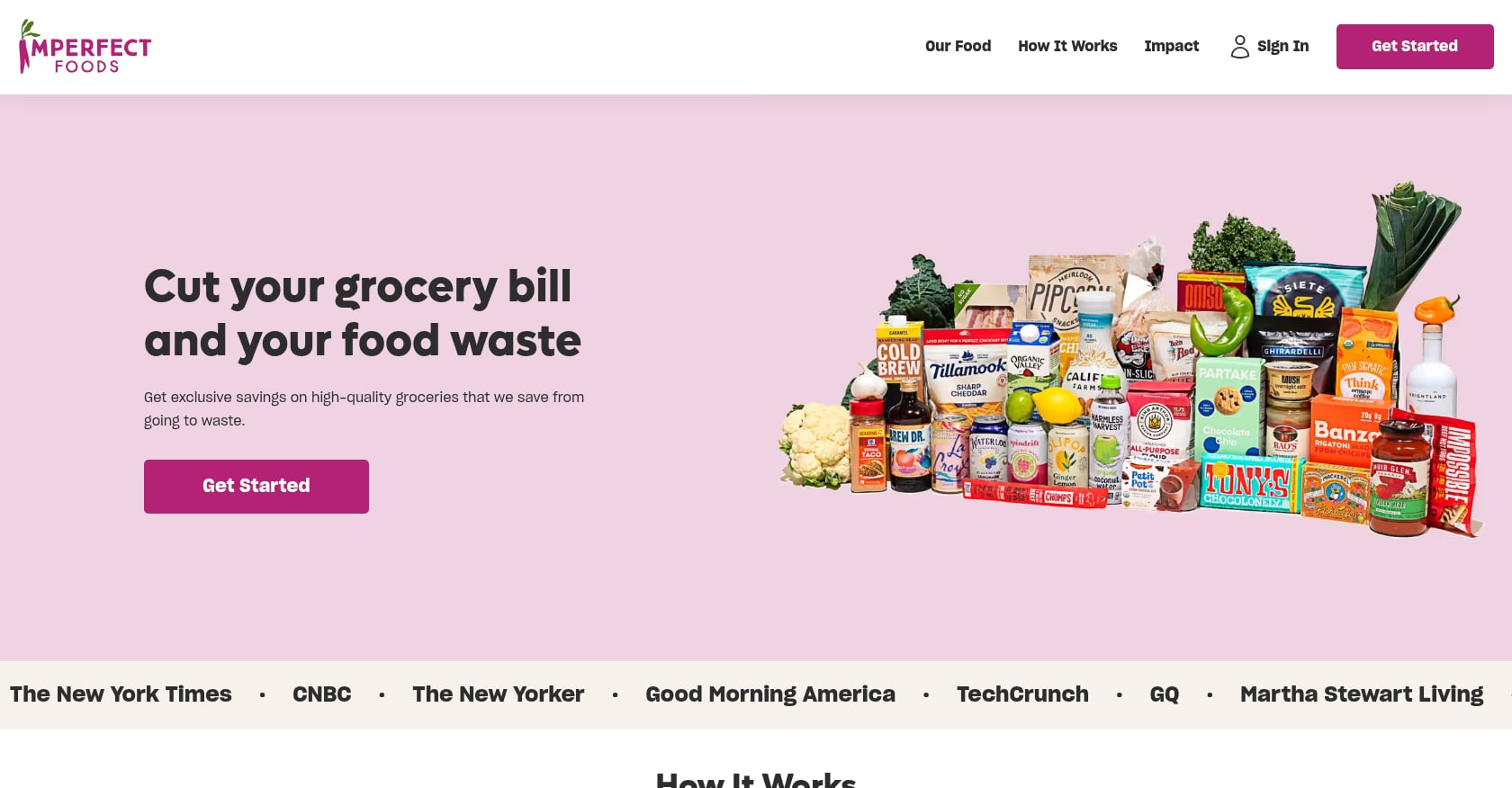
Imperfect Foods (now part of the Misfits Market family) ran traveling pop-up experiences that brought food waste education directly into communities.
What they did: The roadshow combined product sampling, food waste education, and cooking demonstrations. Because Imperfect Foods literally exists to rescue food from waste, the activation felt completely authentic.
The numbers:
The broader Imperfect movement saved 172.5 million pounds of food from lesser outcomes
Limitations:
Localized activations are labor-intensive to scale
Attribution from education-focused activations to subscription sign-ups is indirect
Takeaway: Values-driven activations work when the cause is native to the brand’s reason for existing. If you have to explain why your brand cares, the activation is already on shaky ground.
7. Grove Collaborative, Target In-Store Education Displays
Best for: Sustainability-focused DTC brands entering big-box retail for the first time.
Grove Collaborative, a certified B Corp, planned informational displays inside Target stores to educate consumers on the benefits of sustainable cleaning products.
What they did: Rather than leading with discounts or flashy displays, Grove led with education. The displays explained why concentrated products reduce waste and how sustainable materials perform.
The numbers:
Campaigns showed documented sales lifts, with concentrates seeing a 25% increase
In-store performance improved after packaging refresh aligned with the educational messaging
What makes it work: This is brand activation at retail in its purest form. A challenger brand using the shelf as a classroom. The education justifies the price point and gives shoppers a reason to switch.
Takeaway: Education-first retail activation works especially well for products where the sustainability benefit isn’t immediately visible (concentrated formulas, recycled materials, etc.).
Best-in-Class Traditional Retail Activations
Purpose-driven campaigns have an edge, but they don’t have a monopoly on great retail activation. The following six campaigns represent best-in-class execution across personalization, experiential retail, and brand storytelling.
1. Coca-Cola, Share a Coke
Best for: CPG brands looking for personalization mechanics that scale across thousands of retail locations.
The campaign that redefined in-store personalization. Coca-Cola replaced its iconic script with popular names and set up interactive personalization stations in retail stores where consumers could print their own names on bottles.
The numbers:
2.5% increase in U.S. sales in 2014
Over 800 million personalized bottles distributed
What makes it work: The activation was dead simple. Find your name. Pick up the bottle. Share a photo. The social sharing component meant that 98% of participants created content, consistent with EventTrack’s broader finding that nearly all consumers create and share content from brand experiences.
Limitations:
Personalization stations require significant logistical investment per location
The novelty effect fades in subsequent years without creative refresh
Hard to replicate for brands without Coca-Cola’s distribution footprint
Takeaway: Personalization at the shelf remains one of the most effective in-store activation mechanics. The key is making the personalization feel like a gift, not a gimmick.
2. Glossier Pop-Up Showrooms

Best for: DTC brands testing physical retail with exclusivity-driven demand.
Glossier built its retail strategy around scarcity and beauty. Limited capacity, never-before-seen installations, and exclusive merchandise created waiting lists and social media frenzy.
The numbers:
Activations generated over 2,000 new SMS leads per location
Measurable sales boosts and significant organic social reach
The success of temporary pop-ups led to a permanent flagship in London’s Covent Garden
What makes it work: Practitioners in the retail space have noted that during Glossier’s Seattle residency, the brand used a lush, art-installation-style environment that drove significant organic reach. The lesson: if your stores feel like art, people will visit and share without being asked.
Takeaway: Pop-ups aren’t just test kitchens for permanent stores. They’re content engines. Design for the photo first, and the sale follows.
3. Nike Running Pop-Ups at Marathon Events
Best for: Athletic and lifestyle brands turning product trial into brand immersion.
Nike transforms temporary retail spaces near marathon events into immersive experiences that go far beyond a product table. Think interactive playgrounds, expert-led running workshops, gait analysis, and digital engagement tools.
What makes it work: Product trial in brand context outperforms static sampling every time. When someone tests a running shoe immediately before or after a race, the emotional and physical context makes the product memorable. A 2025 study found that experiential activations generated 65% higher trial rates than digital ads, and Nike’s approach is a textbook example of why.
Takeaway: Context is everything. A product experienced in the right moment is worth ten impressions in the wrong one.
4. H&M Disco Fitting Room
Best for: Apparel retailers addressing friction points in the customer journey.
H&M introduced a “disco fitting room” concept that lets shoppers see how their outfit looks under nightclub-style lighting, complete with music and atmosphere.
What they did: The activation addressed one of apparel retail’s biggest pain points: fitting rooms are stressful. By letting consumers “future project” (imagining how an outfit will look in a bar or at a party), H&M turned a moment of anxiety into a moment of fun.
Limitations:
Novelty-dependent; the effect wears off for repeat visitors
Harder to connect directly to conversion metrics
May not translate across all store formats or demographics
Takeaway: The best retail activations don’t always add something. Sometimes they fix something. Identify the friction point in your shopper journey and build around solving it.
5. Timberland Grand Opening Activation (Newbridge)
Best for: Heritage brands using craftsmanship storytelling to build brand equity at the point of sale.
When Timberland opened its Newbridge location, agency partner Newbridge brought the brand’s craftsmanship story to life through live leather-making demonstrations and custom embossing stations.
The numbers:
2.2 million Big Boot impressions
12,200 engagements
10,000 branded premiums distributed
What makes it work: Rather than just opening a store, Timberland gave people a reason to care about the brand behind the product. Live craft demonstrations connect product quality claims to visible proof.
Takeaway: Craftsmanship storytelling at the point of sale builds brand equity, not just foot traffic.
6. Dick’s Sporting Goods Experiential Retail Store

Best for: Retailers recovering from contraction by reinventing the in-store experience.
After shuttering 26 stores in 2020, Dick’s Sporting Goods opened a radically different store concept featuring a rock climbing wall, batting cages, and other activity spaces.
What they did: The activities created interactive experiences that doubled as product trial opportunities. You don’t just look at a baseball bat on a shelf; you swing it. You don’t browse climbing gear; you test it on a wall.
What makes it work: Permanent experiential elements function as continuous retail activation. Unlike pop-ups, they don’t expire. And they give customers a reason to visit the physical store instead of ordering online.
Takeaway: When physical retail competes with e-commerce, the answer isn’t lower prices. It’s experiences you can’t get from a screen. For more examples of activations that translate to sales, see these retail activation examples.
Which Retail Activation Type Is Right for Your Brand?
The best retail activation depends on the behavior you want to change, your retail environment, budget, and ability to measure results. A successful campaign for a global CPG brand may be completely inappropriate for a small DTC company entering retail for the first time.
Your objective | Best activation type | Example |
|---|---|---|
Increase product trial | Sampling or demonstration | Nike-style product trials |
Generate leads | Pop-up or interactive experience | Glossier |
Increase shelf conversion | Education or product demonstration | Grove Collaborative |
Build brand awareness | Experiential installation | Lush |
Encourage repeat visits | Loyalty or community activation | Patagonia Worn Wear |
Increase personalization | Customization station | Coca-Cola Share a Coke |
Communicate sustainability | Circular or refill program | Patagonia / IKEA |
Differentiate physical stores | Permanent experiential retail | Dick's Sporting Goods |
Build local awareness | Community pop-up | Imperfect Foods |
Launch a new store | Grand-opening experience | Timberland |
For Small Brands
Small brands should prioritize activations that are inexpensive to repeat and easy to measure. In-store education, demonstrations, sampling, community events, and localized pop-ups can create meaningful engagement without requiring a national rollout.
For Enterprise Brands
Large brands can justify more complex activations, including multi-market experiential programs, personalization infrastructure, permanent store experiences, and integrated retail-media campaigns.
For Purpose-Driven Brands
The strongest approach is to turn the brand's existing mission into the activation itself. Repair, refill, recycling, education, resale, or community programs are generally more credible than attaching a temporary cause message to an unrelated promotion.
How to Build a Retail Activation Campaign
A retail activation campaign can be planned using a simple seven-step framework.
1. Define the shopper behavior
Start with the action you want consumers to take.
Examples include:
Try the product
Purchase the product
Trade in an existing product
Sign up for SMS
Increase basket size
Visit a physical store
Return for another purchase
Do not start with the event concept. Start with the behavior.
2. Identify the friction point
Find the reason shoppers aren't already taking that action.
Common barriers include price uncertainty, lack of product knowledge, limited trial opportunities, confusing packaging, lack of trust, or simply having no reason to visit the store.
3. Choose the activation mechanic
Match the mechanic to the barrier.
For example:
Product uncertainty → demonstration or sampling
Lack of knowledge → educational display
Lack of differentiation → immersive experience
Low store traffic → event or pop-up
Sustainability concern → repair, refill, recycling, or buy-back
Desire for personalization → customization
4. Connect the experience to purchase
The activation should make the next step obvious.
That might mean placing the product immediately beside the experience, offering a relevant incentive, providing a QR code, enabling immediate purchase, or directing the shopper to a trained brand representative.
5. Train the activation team
Staff should understand the product, the customer journey, the campaign objective, and the questions shoppers are likely to ask.
Creative execution attracts attention. Knowledgeable staff convert attention into action.
6. Build measurement into the activation
Define the KPIs before launch.
At minimum, establish:
Baseline sales
Activation-period sales
Conversion rate
Number of interactions
Product trials
Leads captured
Cost per lead
Average transaction value
Repeat purchase rate
7. Design for iteration
Treat the first activation as a learning cycle rather than a final product.
Record which locations, messages, products, staff approaches, and offers produced the strongest results. Use that data to improve the next activation.
Common Retail Activation Mistakes (and How to Avoid Them)
Every example above is a success story. But the reality is that most retail activations underperform. According to T-ROC Global, a well-executed in-store brand activation can lift category conversion by 20 to 40%. The gap between “well-executed” and “average” is where most budgets go to die.
Here are the five mistakes that kill retail activations:
Mistake 1: Measuring impressions instead of sales behavior. Impressions feel good in a report. They mean almost nothing for retail activation. Track conversion, basket size, and repeat purchase rate within a 30 to 90 day attribution window.
Mistake 2: Underspending on trained staff. Practitioners on staffing forums are blunt about this: brands save $100 on staffing and lose $1,000 or more in missed conversions. Minimum ROI target should be 3:1, and you won’t hit it with undertrained brand ambassadors reading from a script.
Mistake 3: Running activations disconnected from brand identity. This is especially dangerous for purpose-driven brands. When your activation doesn’t reflect genuine operational commitments, you risk accusations of greenwashing. Over-complexity and misalignment between the activation and the brand’s actual identity are among the most common mistakes.
Mistake 4: No follow-up plan. Leads captured at an activation should be contacted within 24 to 48 hours. “Check our website later” dies on the floor. “Buy today and get X” works. Proximity to purchase is everything.
Mistake 5: One-off activations with no program design. A single pop-up is a tactic. A quarterly activation calendar with evolving themes is a strategy. Best-in-class programs return 3 to 6x their cost within 12 months because they’re designed as programs, not events.
If you’re building a retail activation program and want expert guidance on avoiding these pitfalls, schedule a discovery call with a team that specializes in turning purpose into measurable retail performance.
How Much Does a Retail Activation Campaign Cost?
Retail activation costs vary widely because the budget depends on the number of locations, activation format, staffing requirements, production, technology, inventory, travel, and campaign duration.
Instead of presenting one universal price, budget the campaign across these categories:
Cost category | What it includes |
|---|---|
Strategy | Research, planning, creative development |
Production | Displays, signage, fixtures, installations |
Staffing | Brand ambassadors, product specialists, managers |
Inventory | Samples, products, promotional materials |
Technology | Tablets, QR systems, lead capture, interactive tools |
Venue / retail fees | Space, permits, store requirements |
Logistics | Shipping, storage, transportation |
Promotion | Paid media, social, PR, creator partnerships |
Measurement | Data capture, reporting, surveys, attribution |
The most useful budgeting question is not simply “How much will the activation cost?” It is “How much incremental revenue or customer value must the activation generate to justify the investment?”
That calculation should be completed before the campaign launches.
How to Measure Retail Activation ROI
Measurement is the single biggest pain point practitioners report. The reason? Most teams default to a single metric (usually impressions or foot traffic) and call it a day. That’s not measurement. That’s wishful thinking.
A better approach is the portfolio-of-return model, which splits activation ROI across five categories:
Sales and conversion. Direct revenue attributed to the activation, including uplift in the 30 to 90 days following.
Earned media and PR value. Coverage, social mentions, and organic reach generated by the activation.
Content output. Photos, videos, and user-generated content captured during the event.
Customer data and audience growth. Email addresses, SMS opt-ins, CRM records captured.
Brand measurement. Shifts in awareness, favorability, or purchase intent measured through pre/post surveys.
The baseline ROI formula is straightforward: (Revenue minus cost) divided by cost. High-performing activations paired with real-time data capture and CRM integration often deliver 3:1 to 5:1 returns, according to AnyRoad.
For purpose-driven brands, there’s a sixth dimension worth tracking: behavior change. Did the activation shift consumers toward more sustainable choices? This is where the intention-action gap becomes a measurable metric rather than just a theoretical concept.
82% of retail companies have increased their experiential marketing budgets over the last three years, allocating 10 to 30% of their overall marketing spend. That’s significant money. It deserves significant measurement.
How to Attribute Sales to a Retail Activation
Attribution is one of the hardest parts of retail activation because shoppers can encounter multiple marketing messages before making a purchase.
The simplest approach is to compare activation-period performance against a reliable baseline. More advanced programs can use control stores, unique promotional codes, QR codes, loyalty IDs, CRM matching, or geographic comparisons.
Three useful attribution methods
1. Before-and-after comparison
Compare sales during the activation with a comparable pre-activation period.
This is easy to implement but can be affected by seasonality, promotions, and other marketing activity.
2. Test vs. control stores
Run the activation in selected stores while keeping comparable stores as a control group.
This provides stronger evidence of incremental impact because both groups experience similar market conditions.
3. Customer-level attribution
Use loyalty programs, CRM data, unique codes, QR scans, or customer identifiers to connect activation engagement with subsequent purchases.
This provides the clearest view of repeat purchase behavior but requires stronger data infrastructure.
For larger programs, a test-and-control design is generally more informative than reporting impressions alone.
The Bottom Line
The best retail activation campaigns aren’t stunts. They’re strategy made visible at the point of purchase. They connect brand story to shopper behavior, and they produce numbers someone can put in a quarterly review.
Purpose-driven brands hold an unfair advantage in this space because their activation IS their mission. Patagonia doesn’t run repair events to generate press. Repair is the business. Lush doesn’t go packaging-free for Instagram. It’s how they operate. That authenticity compounds over time in ways that novelty-driven activations simply cannot match.
Whether you’re planning your first in-store activation or scaling an existing program, the framework is the same: be authentic, measure everything, staff it with experts, and design for repetition.
For brands ready to transform purpose into profit through retail activation, the starting point is understanding where your biggest gaps are and building a program that closes them.
Start with a complimentary landscape assessment to identify your activation opportunities.
Frequently Asked Questions
What is a retail activation campaign?
A retail activation campaign is a marketing initiative designed to engage consumers at or near the point of purchase. Unlike general brand activations (which might happen at festivals, online, or through media), retail activations specifically aim to drive shopper behavior in-store or at shelf. Examples include sampling programs, interactive displays, pop-up experiences, and in-store education events.
How much do retail activation campaigns cost?
Costs vary enormously depending on scale. A single-store sampling program might cost a few thousand dollars, while a national experiential rollout across dozens of locations can run into hundreds of thousands. The more useful question is ROI. Best-in-class programs return 3 to 6x their cost within 12 months, and the minimum target should be a 3:1 return.
Why do purpose-driven retail activations outperform traditional ones?
Purpose-driven activations benefit from three compounding effects. First, they generate significantly more earned media because the story is inherently more shareable. Second, they attract younger consumers (Patagonia’s Worn Wear customers are 10 years younger on average). Third, they build repeat purchase behavior. 70% of consumers become repeat customers after a meaningful brand experience, and purpose creates the emotional connection that drives that loyalty.
How do you measure retail activation ROI?
Use a portfolio-of-return model that tracks five categories: direct sales and conversion, earned media value, content output, customer data captured, and brand lift. Set a 30 to 90 day attribution window rather than measuring only day-of sales. The baseline formula is (revenue minus cost) divided by cost, with a target of at least 3:1.
What is the biggest mistake brands make with retail activations?
Underspending on staff training. Most brands invest heavily in creative concepts and physical installations, then staff the activation with undertrained ambassadors who can’t answer product questions or convert interest into sales. Category-expert activators deliver 2 to 4x the lift compared to generic promotional staff.
Can small brands run effective retail activation campaigns?
Yes. Some of the most effective activations are simple: in-store education displays (like Grove Collaborative at Target), localized pop-ups (like Imperfect Foods’ roadshow), or even reformatting the store experience itself. The key is authenticity to brand and proximity to the point of purchase, not budget size.
How often should brands run retail activations?
One-off activations rarely justify the investment. The best retail activation campaigns are designed as programs with quarterly or seasonal cadences, evolving themes, and cumulative learning. Each activation should inform the next, building a data set that improves execution and ROI over time.
What’s the difference between brand activation and retail activation?
Brand activation is the broader category, encompassing any initiative designed to drive consumer engagement with a brand, including digital campaigns, festival sponsorships, social media stunts, and more. Retail activation is specifically tied to the shopper journey and the point of purchase. The distinction matters because retail activation must convert, not just engage.