

 Gaia
GaiaTL;DR
The best brand activation campaigns share three traits: they’re backed by genuine operational commitments, they change consumer behavior (not just awareness), and they deliver measurable commercial results. This list covers 12 standout campaigns from Patagonia’s anti-consumption ad to Oatly’s 2026 bike-thru café, analyzed through a consistent purpose-to-profit framework. Purpose-driven activations consistently outperform pure spectacle because they close the gap between what consumers intend to do and what they actually do.
Quick Answer: What Are the Best Brand Activation Campaigns?
The best brand activation campaigns turn a brand promise into a consumer action. Standout examples include Patagonia’s “Don’t Buy This Jacket,” Dove Real Beauty, IKEA Buy Back Friday, LEGO Rebuild the World, Spotify Wrapped, The Ordinary’s Markup Marché, and other purpose-led activations. They work because they combine a clear brand idea, active consumer participation, a memorable mechanic, and measurable business or behavioral outcomes.
Brand Activation Campaigns at a Glance
Campaign | Brand | Year | Activation Type | Core Mechanic | Primary Outcome |
|---|---|---|---|---|---|
Don’t Buy This Jacket | Patagonia | 2011 | Brand activism | Anti-consumption advertising | Sales growth + brand trust |
Real Beauty | Dove | 2004–ongoing | Purpose platform | Real-person representation | Long-term brand growth |
Climate Justice Activism | Ben & Jerry’s | Ongoing | Brand activism | Grassroots participation | Loyalty + cultural relevance |
Buy Back Friday | IKEA | 2020–ongoing | Retail activation | Furniture buyback | Circular behavior |
Rebuild the World | LEGO | 2019–ongoing | Participatory campaign | Creative participation | Engagement + UGC |
Wrapped | Spotify | 2016–ongoing | Digital activation | Personalized data sharing | Social amplification |
Markup Marché | The Ordinary | 2026 | Pop-up activation | Physical price comparison | Earned media + positioning |
Bakerl0.0 | Heineken 0.0 | 2026 | Experiential activation | Transit takeover | Product-context association |
Bike-Thru Café | Oatly | 2026 | Experiential activation | Bike-first retail experience | Cultural relevance |
Hidden Lumps | Breast Cancer UK | 2025 | Cause activation | Physical behavior simulation | Awareness + engagement |
#PlayInside / ACG Train | Nike | 2020–2026 | Hybrid activation | Digital + physical experiences | Participation + reach |
Lifecycle Transparency | Allbirds | Ongoing | Transparency activation | Product carbon labeling | Differentiation + trust |
What Makes a Brand Activation Campaign “Best”?
Not every viral moment counts as a great brand activation. A flash mob that gets 10 million views but zero behavior change is entertainment, not activation. The campaigns on this list earned their spot by meeting three criteria.
Authenticity. The activation is backed by real operational commitments, not just advertising spend. If a brand talks about sustainability but doesn’t change its supply chain, consumers notice. According to Deloitte, 57% of consumers now buy from brands that align with their values, which means inauthenticity carries a direct revenue cost.
Behavior change. The campaign shifted what consumers actually did, not just what they felt. This is the difference between awareness and activation. The best campaigns close what researchers call the intention-action gap, the space between “I want to be more sustainable” and actually buying the sustainable option.
Commercial impact. Purpose without profit isn’t a strategy. Every campaign here delivered measurable business results, whether that’s sales growth, repeat purchases, or brand equity that compounds over time.
These criteria matter because the market is enormous and growing. Global experiential marketing spend reached $128.35 billion in 2024, and the experiential marketing service market is projected to hit $71.22 billion by 2035. With that much money flowing in, the gap between good activations and wasted budgets is widening fast.
If you’re building an activation from scratch, a solid brand activation strategy is the foundation that separates campaigns that compound from campaigns that evaporate.
What Is a Brand Activation Campaign?
A brand activation campaign is a marketing initiative designed to create a direct consumer response to a brand, product, message, or purpose. The response may involve purchasing, trying, attending, sharing, participating, signing up, changing behavior, or interacting with the brand in a physical or digital environment.
The defining characteristic is action.
Traditional advertising can increase awareness by putting a message in front of an audience. Brand activation goes a step further by creating an opportunity for the audience to do something.
Brand Activation vs. Traditional Advertising
Brand Activation | Traditional Advertising |
|---|---|
Designed around consumer action | Primarily designed around message exposure |
Encourages participation or interaction | Primarily delivers a message |
Can be physical, digital, retail, social, or experiential | Usually centered on paid media |
Often produces behavioral data | Often emphasizes reach and awareness |
Can generate UGC and earned media | Usually relies more heavily on paid distribution |
Success can include action, conversion, or behavior change | Success often emphasizes awareness and consideration |
Brand activation and experiential marketing overlap, but they are not identical. Experiential marketing focuses specifically on creating lived experiences, while brand activation is the broader category focused on moving people from awareness toward action.
Types of Brand Activation Campaigns
Brand activation can take many forms. The most effective format depends on the behavior a brand wants to create and where that behavior naturally happens.
Experiential Brand Activation
Creates a physical or sensory experience that allows consumers to interact directly with a brand.
Examples include pop-ups, installations, immersive events, product demonstrations, and branded environments.
Retail Brand Activation
Uses the point of purchase to encourage consumers to interact with a product or brand.
Examples include IKEA’s Buy Back Friday program, product demonstrations, sampling, retail installations, and interactive displays.
Digital Brand Activation
Uses digital platforms to create participation rather than simply serving advertisements.
Spotify Wrapped is a strong example because users interact with personalized data and voluntarily share the result.
Social Media Brand Activation
Encourages audiences to create, share, comment on, or participate in branded content.
User-generated content campaigns, hashtag challenges, creator collaborations, and social competitions commonly fall into this category.
Purpose-Driven Brand Activation
Connects the brand to a social, environmental, cultural, or community issue.
Patagonia, Dove, Ben & Jerry’s, and Breast Cancer UK demonstrate different approaches to purpose-driven activation.
Product-Based Brand Activation
Turns the product itself into the experience or campaign mechanic.
This can include limited editions, product customization, sampling, packaging experiences, or new ways of using an existing product.
Sports and Event Activation
Uses sporting events, festivals, concerts, conferences, or cultural events as the environment for consumer interaction.
Nike's physical and digital activations demonstrate how brands can extend event participation beyond the venue.
Guerrilla Brand Activation
Uses an unexpected location, format, or intervention to generate attention and earned media.
The strongest guerrilla activations are not simply surprising. The unusual format reinforces the brand message.
Which Brand Activation Type Should You Use?
Your Objective | Best Activation Type | Example |
|---|---|---|
Increase product trial | Sampling / experiential | Product demonstrations or trials |
Generate social sharing | Digital / participatory | Spotify Wrapped |
Change consumer behavior | Incentive / experiential | IKEA Buy Back Friday |
Build brand trust | Transparency / purpose | Allbirds |
Generate earned media | Guerrilla / experiential | The Ordinary |
Build community | Social / grassroots | Ben & Jerry’s |
Create cultural relevance | Event / experiential | Nike |
Strengthen brand purpose | Cause / activism | Patagonia or Dove |
Encourage UGC | Participatory / social | LEGO |
Connect product with a behavior | Contextual activation | Heineken 0.0 |
How We Chose the Best Brand Activation Campaigns
The campaigns in this list were evaluated using five criteria rather than popularity alone:
Criterion | What We Looked For |
|---|---|
Brand alignment | Does the activation naturally fit the brand's identity and positioning? |
Consumer action | Did audiences participate, purchase, share, attend, or change behavior? |
Creative mechanic | Was there a simple idea that made the activation memorable? |
Measurable impact | Were sales, engagement, reach, behavior, brand lift, or other outcomes reported? |
Longevity | Did the activation become a repeatable platform, influence the category, or create lasting brand equity? |
Campaigns were selected to represent different activation formats, including experiential, digital, retail, social-impact, purpose-driven, data-driven, and hybrid campaigns.
Because publicly reported campaign results are not always measured consistently, the numbers below should be interpreted in their original context rather than treated as directly comparable ROI figures.
The 12 Best Brand Activation Campaigns
1. Patagonia, “Don’t Buy This Jacket”
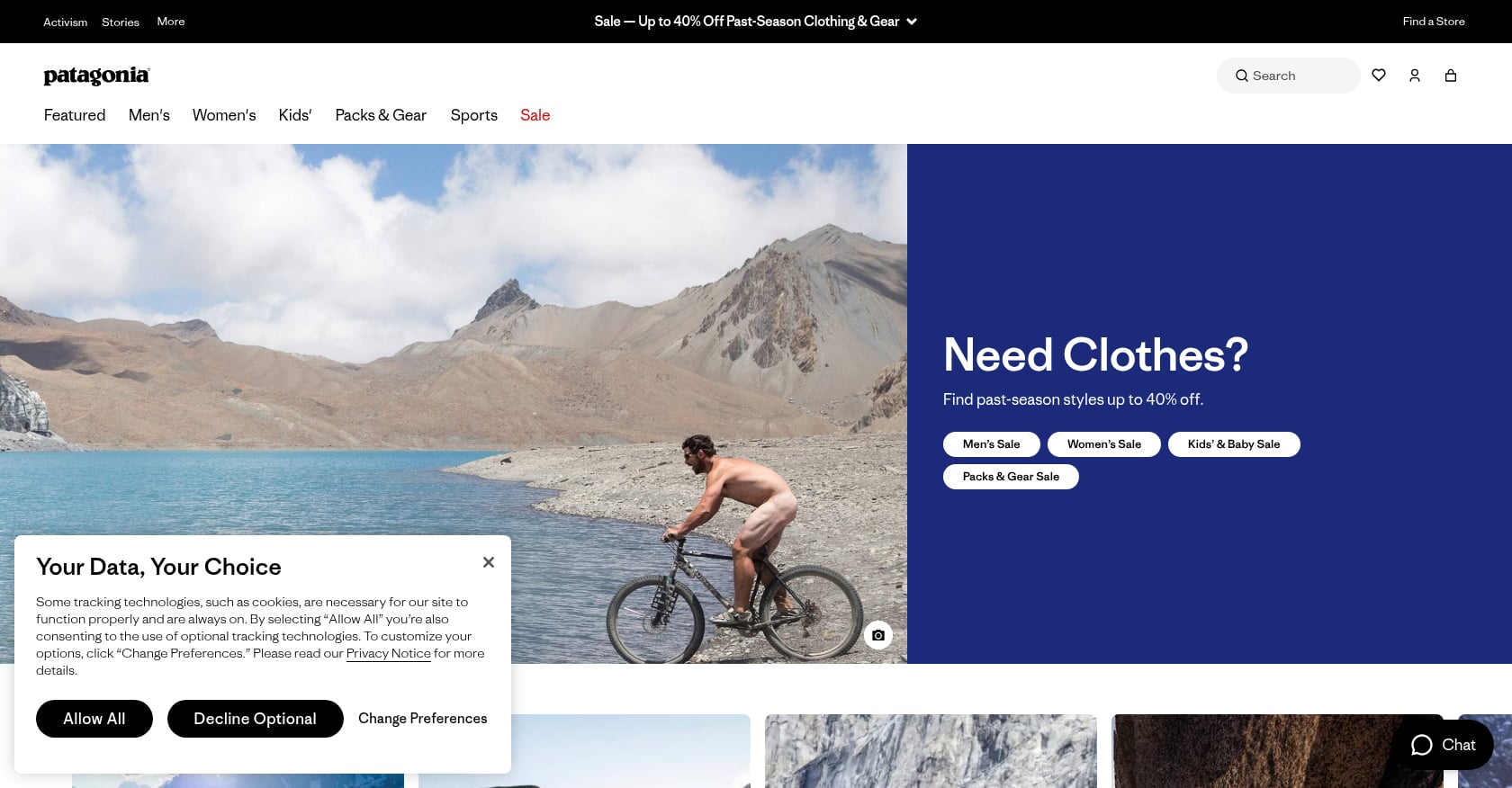
Best for: Authenticity-first positioning that turns anti-consumption into commercial growth
Activation type: Anti-consumption brand activism
What they did: On Black Friday 2011, Patagonia ran a full-page ad in the New York Times urging consumers not to buy their bestselling jacket. The ad detailed the environmental cost of producing each garment and asked readers to consider whether they really needed it. This wasn’t a gimmick. It was tied to the Common Threads Initiative, a formal commitment to reduce, repair, reuse, recycle, and reimagine.
Results:
30% sales increase following the campaign
Patagonia reached $1 billion in annual sales by 2017
Sustained business growth that validated prioritizing brand authenticity over traditional promotion
Why it worked: The campaign stood out because, unlike companies making vague environmental claims, Patagonia’s message was rooted in transparency and operational change. The Worn Wear repair program, the supply chain investments, the environmental grants: these gave the ad teeth. Practitioners on sustainability forums frequently cite this as the gold standard of purpose-driven brand building because the actions preceded the advertising, not the other way around.
The takeaway: Telling consumers not to buy can increase sales, but only when the brand has already earned trust through genuine commitments. Authenticity compounds over time.
2. Dove, “Real Beauty” Campaign
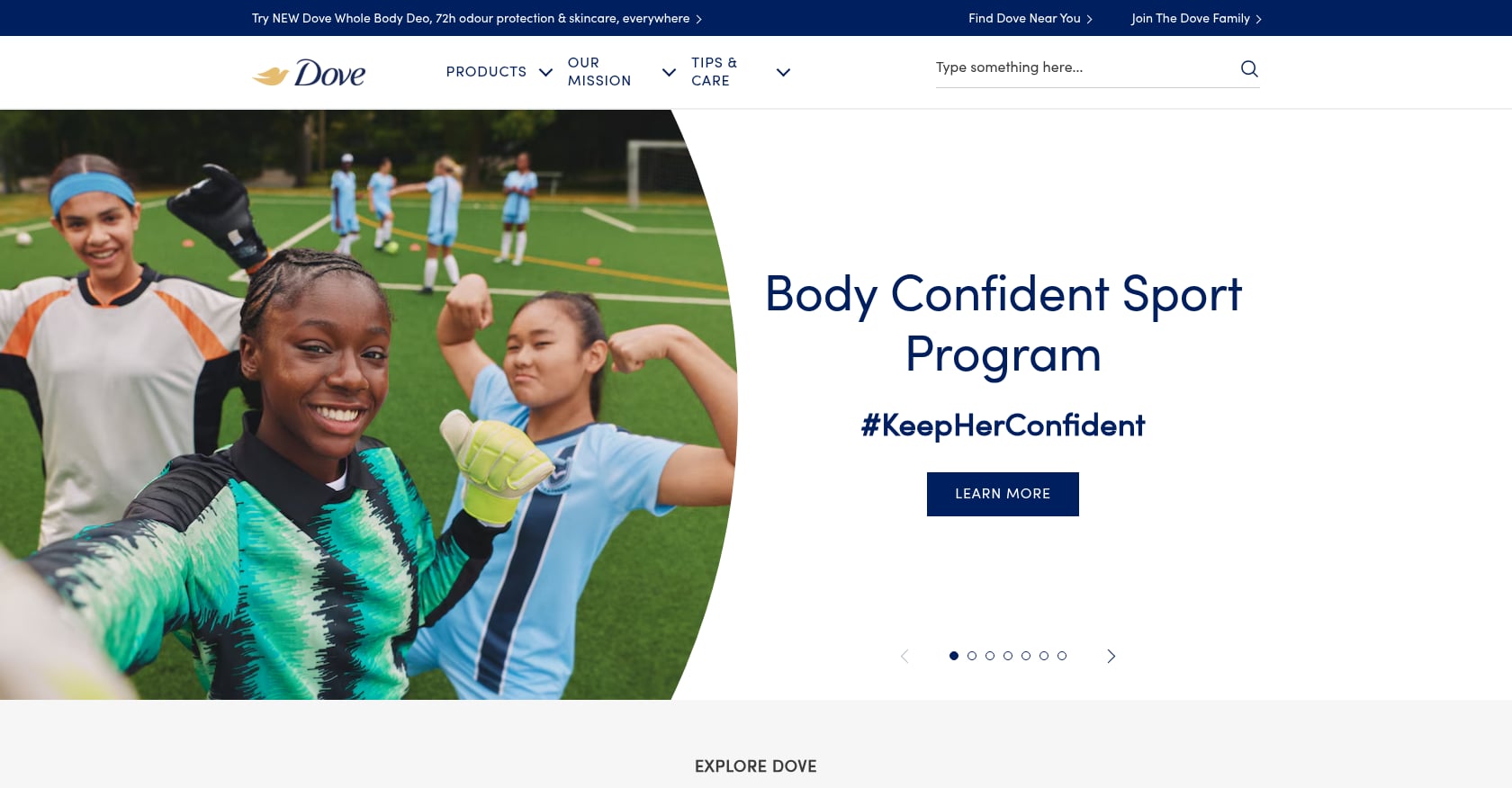
Best for: Building a multi-decade brand platform from a single consumer insight
Activation type: Social-impact brand activation, behavior change
What they did: Launched in 2004 after Dove’s research found that only 2-4% of women considered themselves beautiful, this campaign has evolved over two decades, from billboards featuring real women to the 2024 anti-AI “Code” pledge. Each iteration builds on the same insight but adapts to the cultural moment.
Results:
Dove reported its highest underlying sales growth in over a decade in 2023, roughly €6 billion for Unilever
The 2024 “Code” campaign earned a 95/100 Brand Impact score
The 2021 “Reverse Selfie” film generated approximately 6 billion earned impressions
The Dove Self-Esteem Project has reached over 100 million young people
Why it worked: The original research finding was both surprising and actionable. Every subsequent campaign anchored to that same insight while tackling new threats to women’s self-image (social media filters, AI-generated beauty standards). This is what separates a brand platform from a one-off stunt.
The takeaway: Purpose-driven activations need long-term programmatic investment. A single campaign creates a spike. A platform creates a compounding asset.
3. Ben & Jerry’s, Climate Justice and Activism Campaigns
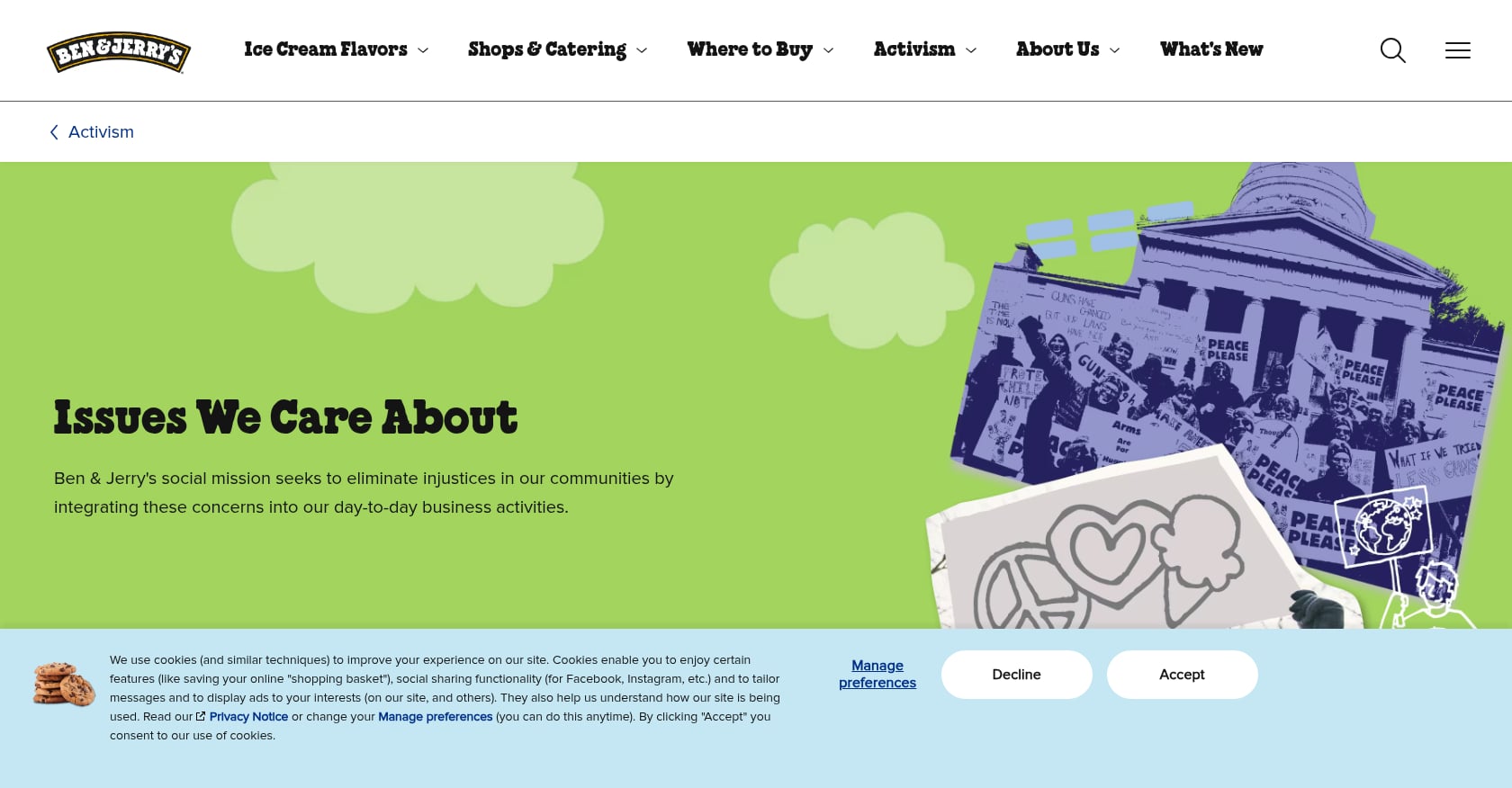
Best for: Grassroots community building through brand activism
Activation type: Cause marketing, brand activism
What they did: Ben & Jerry’s has spent decades integrating social justice into its business model, from naming ice cream flavors after causes to staging in-person activations at political events and building grassroots partnerships. Their approach centers on what they call “activism managers,” staff embedded in every market with deep campaigning experience whose job is to build relationships with local organizations.
Results:
Maintained premium pricing in a commodity-driven category
Built fierce customer loyalty that survives controversy
Created a brand that practitioners on social media consistently describe as “the opposite of performative activism”
As Forbes noted, “Ben & Jerry’s doesn’t do performative activism. Every campaign, every message, and every pint sold is a testament to their unwavering commitment to social justice.”
Why it worked: Authenticity here comes from organizational structure, not campaign copy. Having activism managers in every market means cause marketing is embedded in operations, not delegated to an ad agency for a quarterly brief.
The takeaway: If your brand’s activism depends on your marketing department alone, it’s probably not deep enough.
4. IKEA, “Buy Back Friday”
Best for: Turning circular economy principles into a mass-market retail activation
Activation type: Circular economy retail activation
What they did: Starting in 2020, IKEA began buying back used furniture from customers to resell, paying up to 50% of the original price. The program launched to coincide with Black Friday across 27 countries, directly countering the day’s excess with a concrete alternative.
Results:
IKEA declared its Philadelphia-area resale pilot a success, reporting that all used furniture taken in was resold
The program now accepts nearly 3,000 items at almost all U.S. stores
Extended to 27 countries globally
Why it worked: This wasn’t a preachy advertisement about sustainability. It was a practical, financially rewarding action customers could take immediately. The Black Friday timing created contrast that earned massive media coverage without spending on media buys. For more examples of how retail activations drive sales, IKEA’s buyback program is a model worth studying.
The takeaway: Circular economy activations succeed when they make sustainability easy and financially beneficial for the consumer. IKEA started as a pilot at one store before scaling globally, proof that you don’t need a $5 million budget to start.
5. LEGO, “Rebuild the World”
Best for: Creative participation at global scale
Activation type: Purpose-driven global brand platform
What they did: Launched in 2019, “Rebuild the World” redefined how a toy brand could inspire audiences while driving commercial results. The campaign combined interactive installations, user-generated content challenges (#RebuildTheWorld), and creator partnerships, all tied to the idea that creative play helps solve real-world problems.
Results:
Launch video earned 50M+ views globally and sparked widespread social conversation
LEGO has since pledged to make all bricks from sustainable materials by 2030
The campaign platform continues to generate engagement six years later
Why it worked: LEGO tied creativity (its DNA) to real-world problem-solving and sustainability. The UGC component turned consumers into participants rather than passive viewers, a distinction that matters enormously. In 2026, an Edelman study found UGC-led marketing campaigns achieved 4.8x higher click-through rates and 3.2x higher conversion rates compared to brand-produced content.
The takeaway: Give people a role in your campaign, not just a message to absorb. The best activations create participants, not audiences.
6. Spotify Wrapped
Best for: Turning user data into the most shared brand activation of the decade
Activation type: Data-driven digital activation
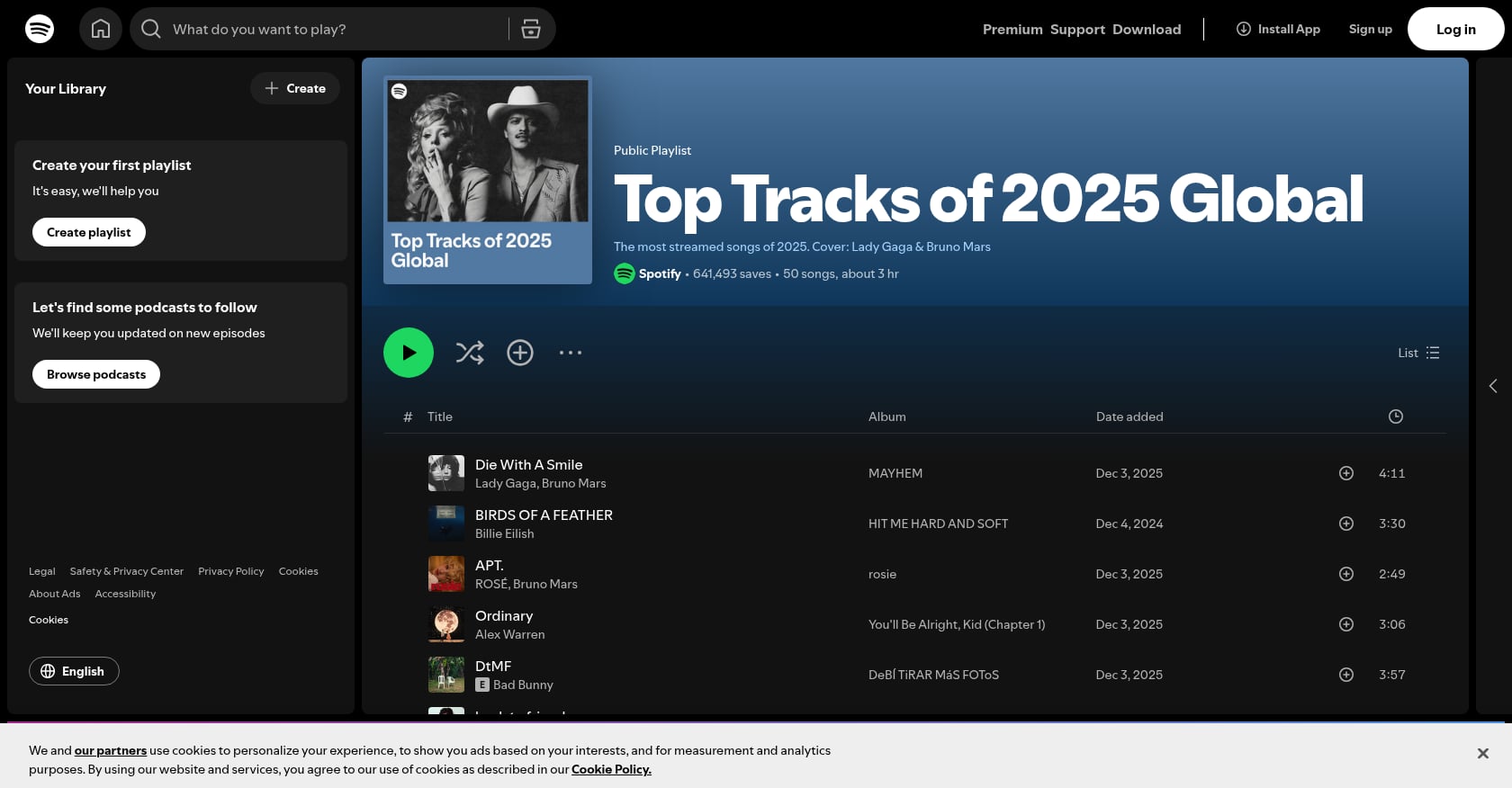
What they did: Since 2016, Spotify has released an annual personalized year-in-review for every user, packaging their listening habits into shareable, visually distinctive cards designed for social media.
Results:
The 2024 Wrapped generated roughly 2.1 million social media mentions in 48 hours
Over 400 million TikTok views in three days
About 10.5 million users actively shared their Wrapped results
Spotify’s app saw a 40% spike in engagement during launch week
One practitioner called Wrapped “the most efficient brand activation created in the last decade,” and it’s hard to argue. The campaign costs relatively little to produce compared to its output because users do all the distribution work.
Why it worked: Wrapped gives people something about themselves to share, not something about the brand. That distinction is everything. The shareability comes from ego and identity, not brand loyalty, which makes the distribution engine essentially self-sustaining.
The takeaway: Design activations around what people want to say about themselves, and your brand becomes the medium, not the message.
7. The Ordinary, “Markup Marché”
Best for: Using pop-up retail to challenge industry pricing norms
Activation type: Pop-up retail activism (2026)
What they did: The Ordinary built fake grocery stores called “Markup Marché,” shelving a $175 banana alongside everyday products to make a visceral point about beauty industry markups. The installations dramatized the gap between ingredient cost and retail price in the skincare industry.
Results:
Viral earned media coverage across beauty and business press
Reinforced The Ordinary’s positioning as the transparency brand in skincare
Generated social content that extended the activation’s reach far beyond physical foot traffic
Why it worked: This is purpose activation that isn’t environmental. Price transparency is a form of consumer advocacy, and The Ordinary turned its competitive advantage (low prices, clinical ingredients) into a physical experience people could walk through and photograph.
The takeaway: Brand activation doesn’t have to be about sustainability. Any genuine brand conviction, articulated physically and sharply, can become a powerful activation.
Exploring brand activation agencies can help identify partners who specialize in turning brand convictions into experiences like this.
8. Heineken, “Bakerl0.0” Dry January
Best for: Meeting consumers exactly where they are, literally
Activation type: Experiential behavior-change activation (2026)
What they did: For Dry January 2026, Heineken renamed London’s Bakerloo tube line the “Bakerl0.0” and served alcohol-free Heineken 0.0 beers to commuters during their journey.
Results:
Mass transit takeover generated significant press and social coverage
Positioned Heineken 0.0 in a context (commuting, sobriety) rather than against competitors
Created a memorable brand moment tied to a cultural behavior trend
Why it worked: Instead of running ads telling people about their alcohol-free beer, Heineken placed the product directly in a context where alcohol-free drinking is the default (public transit) during a month when sobriety is top of mind. The activation’s format matched its message perfectly.
The takeaway: The best behavior change campaigns don’t lecture. They meet consumers where behavior change is already happening and make the brand part of that moment.
9. Oatly, Bike-Thru Café in Amsterdam
Best for: When the activation format itself embodies the brand’s values
Activation type: Sustainability-aligned experiential activation (2026)
What they did: Oatly opened a bike-thru café in Amsterdam, a direct physical expression of sustainable mobility combined with plant-based living. Cyclists could ride up and order oat milk drinks without leaving their bike.
Results:
Became a cultural talking point in Amsterdam, one of the world’s most bike-friendly cities
Generated organic social content from cyclists sharing their experience
Reinforced Oatly’s positioning at the intersection of sustainability and everyday convenience
Why it worked: The format was the message. A bike-thru in Amsterdam doesn’t need a press release to explain why it matters. Every element (the location, the mode of transport, the product) told a coherent story about sustainable living. This is what editorial analysis from Famous Campaigns described when noting that “real-world brand activations are coming into their own in a media ecosystem congested with digital slop.”
The takeaway: When the activation mechanic itself embodies your brand values, explanation becomes unnecessary.
10. Breast Cancer UK, “Hidden Lumps” Pavement Campaign
Best for: Designing an activation mechanic that mirrors the behavior you want to encourage
Activation type: Nonprofit cause activation (2025)
What they did: Breast Cancer UK embedded hidden “lumps” (raised pavement studs) across public walkways. Pedestrians who noticed the unexpected bumps underfoot experienced a physical version of the campaign’s core message: cancer catches people when they don’t expect it, and early detection depends on checking for lumps.
Results:
High engagement rates as people stopped to examine what they’d felt
Significant social sharing as people documented their surprise
The mechanic itself drove the message home more powerfully than any billboard could
Why it worked: The activation’s physical experience (discovering a hidden bump) directly mirrored the behavior it was encouraging (self-examination for lumps). This kind of mechanic-matches-message design is rare and memorable. For social impact campaigns in particular, this alignment between format and message is what separates activations that change behavior from activations that win awards.
The takeaway: Design the campaign mechanic so that participating in it teaches the behavior you want people to adopt.
11. Nike, #PlayInside and ACG Train at Milano-Cortina
Best for: Bridging digital communities and physical brand moments
Activation type: Hybrid digital + experiential (2020–2026)
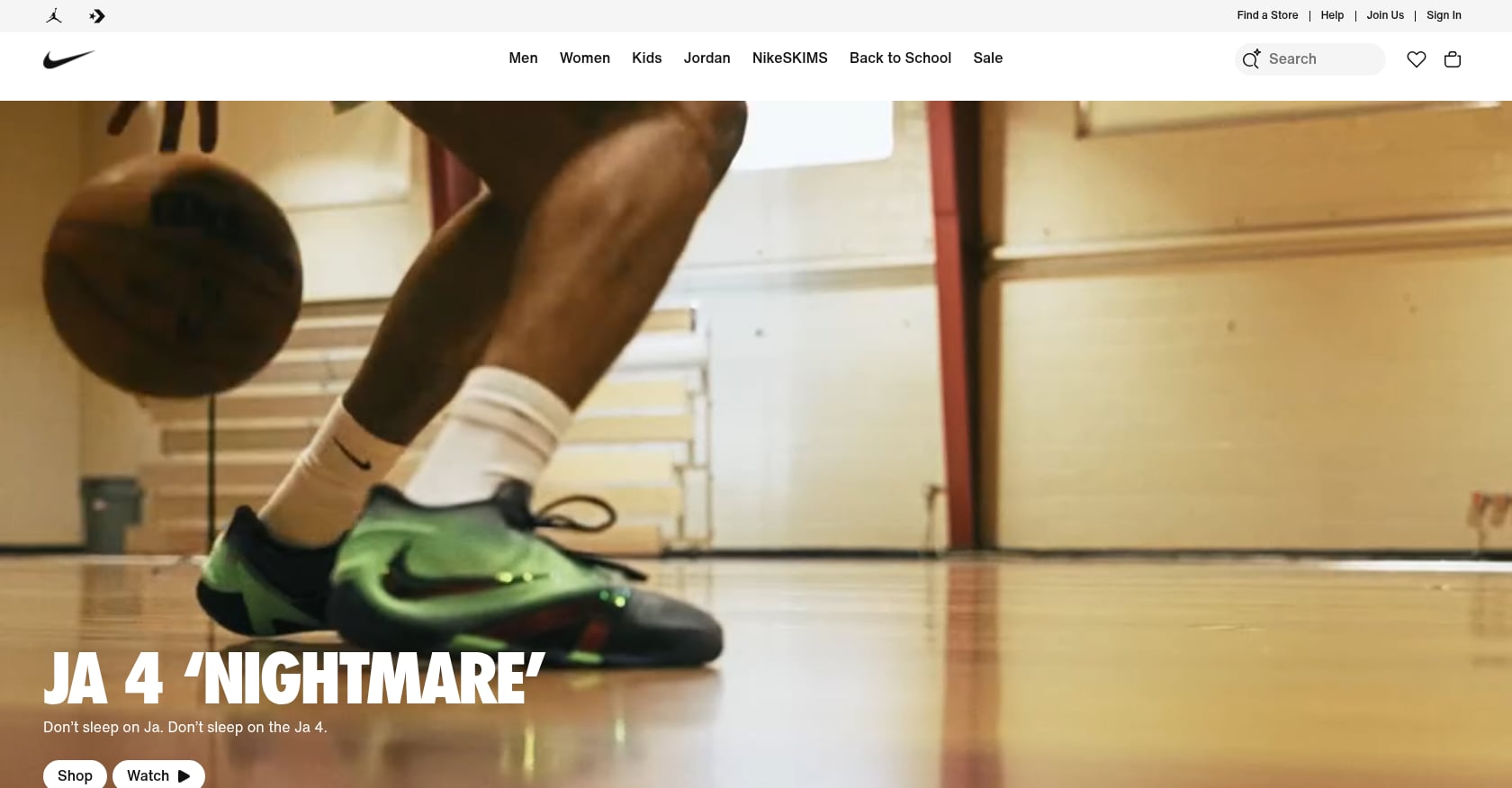
What they did: During lockdowns, Nike’s #PlayInside campaign invited users worldwide to share home workouts, generating billions of impressions and keeping the brand active during a period when physical retail was impossible. In 2026, Nike relaunched its All Conditions Gear line with a fully branded orange train running during the Milano-Cortina Winter Olympics, creating a physical spectacle that extended across social channels.
Results:
#PlayInside generated billions of digital impressions during a period of zero physical events
The ACG train became one of the most photographed brand activations at the 2026 Winter Olympics
Both activations demonstrated Nike’s ability to operate across formats and contexts
Why it worked: Nike understood that digital and physical activations serve different functions and designed each accordingly. The lockdown campaign met people where they were (stuck at home). The Olympics activation met them where they wanted to be (at a global sporting event). Together, they show a brand that adapts its activation format to the moment.
The takeaway: Don’t choose between digital and physical. Build a brand experience strategy that knows when each format serves the purpose best.
12. Allbirds, Lifecycle Transparency as Activation
Best for: Turning radical transparency into competitive advantage
Activation type: Transparency and sustainability storytelling (ongoing)
What they did: Allbirds, a B Corp-certified company, publishes detailed sustainability reports and lifecycle analyses for its products. Every shoe comes with a carbon footprint label, much like a nutrition label on food. They turned transparency from a compliance exercise into their primary brand activation.
Results:
Built significant brand equity among sustainability-conscious consumers
Created a category conversation around carbon labeling that competitors had to respond to
Earned media coverage based on transparency rather than advertising spend
Why it worked: Most brands treat sustainability data as something to bury in annual reports. Allbirds put it on the product. This transforms every purchase into a brand activation moment, because consumers encounter the brand’s purpose at the point of decision. For brands exploring sustainability storytelling, Allbirds demonstrates that data itself can be the story.
The takeaway: Transparency isn’t a vulnerability. When backed by genuine effort, it becomes your most powerful form of brand activation.
What the Best Brand Activation Campaigns Have in Common
Looking across all 12 campaigns, five patterns emerge.
Purpose baked into operations, not bolted on. Patagonia’s activism predated the ad. Ben & Jerry’s has activism managers embedded in every market. IKEA built actual buyback infrastructure. In every case, the campaign communicated what the company was already doing, not what it wished it could claim.
Participation beats broadcast. LEGO’s UGC challenges, Spotify’s user sharing, Breast Cancer UK’s physical discovery mechanism: the campaigns that generated the most engagement were the ones that gave consumers an active role. Well-executed experiential marketing campaigns deliver 200-600% ROI, and the participation element is a major driver of those returns. Event-specific activations tend toward 300-600%, while passive awareness campaigns deliver 150-350%.
A single, clear mechanic. None of these campaigns tried to do everything at once. The Ordinary built a fake store. Heineken renamed a tube line. Oatly opened a bike-thru window. Simplicity made each activation instantly understandable and infinitely shareable.
Long-term platform thinking. Dove has run Real Beauty for over 20 years. Spotify has run Wrapped annually since 2016. The campaigns that deliver the most commercial value are platforms, not one-offs. According to McKinsey, marketers who integrate performance tracking into brand activations see a 15-25% increase in marketing ROI, and that tracking is far more valuable when applied to platforms that run year after year.
The mechanic closes the intention-action gap. IKEA didn’t tell people to be more sustainable; it made buyback financially rewarding. Heineken didn’t tell people to try alcohol-free beer; it put it in their hand on the commute. The best activations don’t ask consumers to change. They make the desired behavior the easiest option.
How to Avoid the Biggest Brand Activation Mistakes
Purpose-washing. Remember Pepsi’s 2017 ad where Kendall Jenner handed a can of soda to a police officer during a protest? The backlash was immediate and severe because the activation wasn’t connected to any genuine Pepsi commitment to social justice. As one practitioner analysis put it: “Campaign activity must be backed up by a real business commitment, and investment must be geared towards delivering social impact, not just slick production.”
Greenwashing. Even well-intentioned brands face this risk. Sustainability marketing experts note that even for a brand like Innocent (a B Corp), the desire to tell positive stories comes at a risk. Brands communicating environmental impacts must balance storytelling with rigor and accuracy. Read more about how to avoid greenwashing when designing purpose-driven activations.
Measurement failure. CMOs increasingly recognize that brand activations create deep emotional connections that traditional advertising can’t match. But feelings alone aren’t data. A 3-5 point absolute lift in purchase intent is considered a strong result for a mid-funnel brand campaign in 2026. If you’re not measuring against benchmarks like this, you’re guessing.
Scale mismatch. You don’t need millions. Digital activations can range from $15,000 to $500,000+, with a well-executed AR filter or gamified web experience built for $25K-$75K. IKEA’s buyback started as a pilot at one store before going global. Start small, measure, then scale what works.
How to Build Your Own Purpose-Driven Brand Activation
Start with the gap. What do your consumers intend to do but fail to follow through on? Maybe they want to buy sustainable products but default to the cheaper option. Maybe they care about health but skip the checkup. That gap is where your activation lives.
Design the mechanic around closing that gap. Make the desired behavior easier, more rewarding, or more social than the alternative. Every campaign on this list did exactly this.
Measure what matters. Track three layers: brand lift (did perceptions change?), behavior change (did people actually do the thing?), and commercial outcomes (did revenue move?). Practitioners who measure all three layers see meaningfully better results over time.
Think platform, not stunt. A single activation creates a spike. A repeatable platform creates a compounding asset. Design from day one for iteration.
If you’re building a purpose-driven activation strategy, the framework matters as much as the creative. Getting the strategic foundation right before investing in production is what separates the campaigns on this list from the thousands that never make any list at all.
Ready to turn your brand’s purpose into a commercial activation that drives measurable results? Start with a discovery call to assess where the biggest opportunities lie.
Frequently Asked Questions
What is a brand activation campaign?
A brand activation campaign is a marketing initiative designed to drive a specific consumer action through direct engagement, whether that’s purchasing a product, sharing content, attending an event, or changing a behavior. Unlike traditional advertising, which broadcasts a message, brand activation creates participation. The goal is to move consumers from awareness to action.
How much does a brand activation campaign cost?
Costs vary enormously by type. Digital activations typically range from $15,000 to $500,000+, while experiential installations can run from $250,000 to $5,000,000+. A single-location product launch installation can be executed well in the $300K-$600K range. However, as IKEA’s buyback program demonstrates, some of the best brand activation campaigns start with minimal investment at a single location and scale based on results.
What ROI can you expect from brand activation campaigns?
Well-executed experiential marketing campaigns deliver 200-600% ROI, according to industry benchmarks. Event-specific activations tend toward the higher end (300-600%), while awareness-focused campaigns deliver 150-350% plus long-term brand equity value. The key variable is measurement: marketers who integrate performance tracking from day one see 15-25% higher marketing ROI than those who don’t.
What types of brand activation are most popular?
Among brand activation strategies, sporting events lead with 51% of brands investing in them, followed by festivals (39%), sponsorships (38%), pop-ups (36%), community events (33%), and product samplings (26%). However, the best performing activations aren’t defined by format alone. They’re defined by how well the format matches the brand’s purpose and the consumer behavior it aims to change.
How do you measure brand activation success?
Measure three layers: brand lift (perception shifts tracked through surveys or social sentiment), behavior change (did consumers take the desired action?), and commercial outcomes (revenue, repeat purchase rates, customer acquisition cost). A 3-5 point absolute lift in purchase intent is considered a strong result for a mid-funnel campaign in 2026. The most common mistake is measuring only impressions, which tells you reach but nothing about impact.
What’s the difference between brand activation and experiential marketing?
Experiential marketing is a subset of brand activation. Brand activation encompasses any campaign designed to drive consumer action, including digital campaigns, retail activations, sampling programs, and cause marketing. Experiential marketing specifically refers to activations built around lived, sensory experiences. All experiential marketing is brand activation, but not all brand activation is experiential.
Can small brands run effective brand activation campaigns?
Yes. Several of the best brand activation campaigns started small. IKEA piloted its buyback program at one location. Allbirds built its entire activation strategy around transparency and labeling, which costs almost nothing compared to experiential production. The Ordinary’s Markup Marché was a focused pop-up, not a global campaign. The critical factor isn’t budget; it’s clarity of purpose and precision of mechanic.
Why do some brand activations backfire?
Activations fail when they feel inauthentic, invasive, or disconnected from genuine brand identity. Pepsi’s Kendall Jenner ad is the most cited example: a brand with no track record in social justice tried to insert itself into protest culture and was immediately called out. Even well-intentioned activations carry risk if the brand’s operational commitments don’t match its campaign claims. The safest path is ensuring actions precede advertising.