

 Gaia
GaiaTL;DR
A brand activation agency turns brand strategy into participatory experiences that drive measurable action, whether that’s trial, purchase, sign-up, advocacy, or behavior change. The best brand activation agencies are not necessarily the biggest or flashiest. They are the ones that fit your specific activation problem, connect strategy to execution, and prove what happened afterward. This guide defines brand activation, separates it from experiential and event marketing, introduces a 6M evaluation framework, and explains what to measure, what to ask, and what red flags to watch for.
Quick Answer: How Do You Choose the Best Brand Activation Agency?
If you're comparing brand activation agencies, prioritize strategy before creativity.
The best agencies should:
- Define the customer behavior they want to change.
- Build the activation around measurable business goals.
- Capture first-party customer data.
- Connect the experience to CRM and sales.
- Measure results at 30-, 60-, and 90-day intervals.
- Create reusable content and long-term brand value after the event.
At a Glance: How to Choose a Brand Activation Agency in 2026
To select the best brand activation agency, evaluate them against the 6M Framework:
Mission: Can they define the specific behavior change (trial, purchase, advocacy) they are driving?
Market: Do they understand the audience's barriers and the "intention-action gap"?
Moment: Can they identify the high-receptivity setting (retail, event, digital)?
Mechanics: Do they have a proven track record of flawless execution and logistics?
Measurement: Do they provide data-backed ROI through CRM integration and post-event lift?
Memory: Will the activation leave a lasting brand "afterlife" or content engine?
Direct Takeaway: The "best" agency isn't the one with the biggest booth; it’s the one that aligns its creative strategy with your specific business outcome (KPIs) and can prove it with 30-60-90 day impact data.
“In 2026, the gap between a ‘stunt’ and a ‘strategy’ is defined by data. The best agencies aren’t just building booths; they are building participation engines that fuel the entire CRM funnel.”
— Senior Strategist at Grounded World
What Is a Brand Activation Agency?
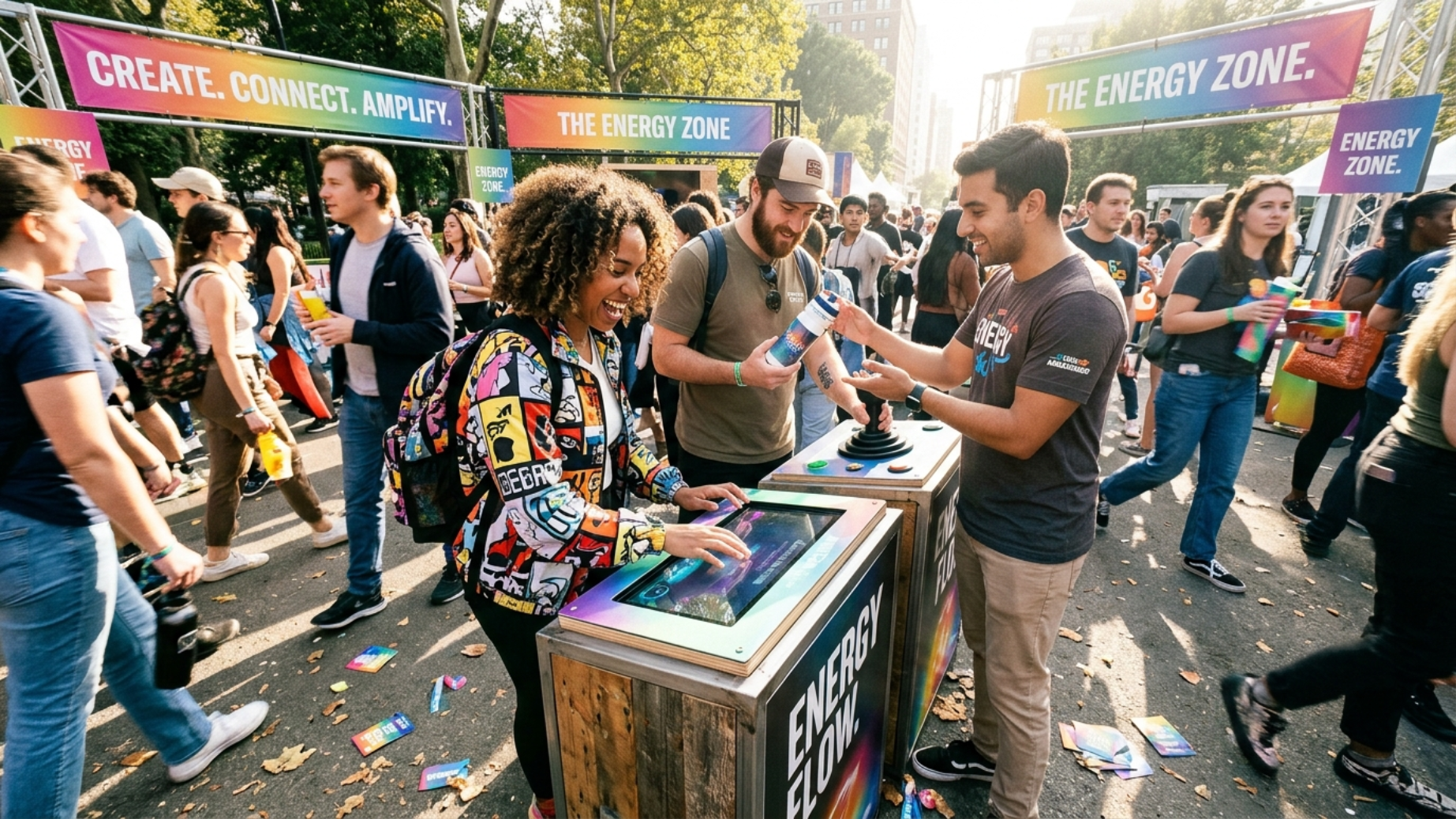
A brand activation agency is a specialist marketing partner that takes a brand strategy, product promise, campaign idea, or purpose platform and turns it into something people can participate in. The goal is action. That action might be trial, purchase, sign-up, donation, share, advocacy, retail conversion, stakeholder engagement, or behavior change.
The Universal Marketing Dictionary defines brand activation as marketing that builds a brand’s image and drives a specific consumer behavior, noting that the ANA identifies brand activation disciplines including promotion marketing, retailer marketing, and experiential marketing (source). Salesforce defines it similarly: the strategic process of generating consumer action through immersive experiences that bring a company’s identity into the real world (source).
In plain terms, a brand activation agency helps a brand move from “people know us” to “people do something with us.” That is the dividing line between awareness and activation.
Brand activation sits within a broader marketing campaigns ecosystem, but its focus is narrower and more action-oriented. Where a brand campaign might aim to shift perception over months, an activation creates a specific moment (or series of moments) designed to prompt immediate response.
How the Brand Activation Agency Selection Process Works
Most companies hire the wrong activation partner because they begin with creative ideas instead of business objectives.
A better selection process looks like this:
Step | What You Should Do |
|---|---|
Define Goal | Trial, purchase, awareness, advocacy, retail sales |
Identify Audience | Who needs to change behavior? |
Set KPIs | Revenue, leads, participation, sales lift |
Build Agency Shortlist | 3–5 agencies with relevant case studies |
Review Measurement Plan | CRM integration, attribution, reporting |
Compare Pricing | Scope rather than hourly rates |
Request References | Similar industries and activation size |
Run Discovery Workshop | Evaluate strategic thinking before creative pitches |
What “Best” Actually Means for Brand Activation Agencies
There is no universal best brand activation agency. The best agency for a national sampling tour is not the best agency for a sustainability behavior-change campaign, a retail sell-in toolkit, a B2B trade show experience, or a social impact movement.
Consider the scale of the market. Clutch’s U.S. experiential agency directory alone lists 797 companies under its experiential marketing filter (source). Event Marketer’s 2025 It List recognizes 100 event agencies serving experiential marketing, with capabilities spanning launch events, retail events, sampling, sponsorship activations, mobile tours, pop-ups, and multicultural events (source). Adweek’s 2025 Experiential Awards highlight recognized agencies and brand campaigns across multiple categories (source).
These directories and awards are useful starting points. They are not sufficient for choosing a partner. An agency can be award-winning and still be the wrong fit for your brief, budget, audience, or category.
The better question is not “who is the best brand activation agency?” but “which type of agency is best for this activation problem?” That reframe changes how you evaluate.
Brand Activation vs. Experiential Marketing vs. Event Marketing
These three terms overlap constantly. Marketers, procurement teams, and agency search committees use them interchangeably. They are not the same thing.
Brand activation is action-oriented. It is designed to trigger a measurable behavior: trial, sign-up, purchase, participation, advocacy, referral, data capture, donation, habit shift, or retail conversion.
Experiential marketing is experience-oriented. It uses participation, emotion, sensory engagement, immersion, and interactivity to create memorable brand experiences.
Event marketing is format-oriented. It includes conferences, trade shows, pop-ups, mobile tours, sponsorships, festivals, launch events, sampling events, and other live or hybrid formats.
Tecna’s comparison is helpful here: brand activation is about bringing the brand message to life, while experiential marketing is about the experience itself. The two often work together, but they are evaluated differently (source).
A strong brand activation often uses experiential techniques and happens inside an event. But the activation is judged by the behavior it drives. The experiential component is judged by the quality of the experience. The event is judged by format and logistics.
This distinction matters because it affects which agency type you need. If you need a stunning trade show environment, you may want an event production specialist. If you need that environment to drive qualified leads into your CRM and produce measurable pipeline, you need brand activation thinking layered on top. And if your brand identity needs to come alive in a way that feels coherent across touchpoints, strategy should come before production.
Types of Brand Activation Agencies
The best brand activation agencies fall into distinct categories. Understanding these categories is the first step toward a useful shortlist.
Experiential Marketing Agencies
Best for immersive pop-ups, brand experiences, product launches, festivals, and sponsorships. They typically deliver concept development, environment design, production, staffing, and engagement mechanics. Watch out for agencies that over-index on spectacle when strategy is weak.
Event Production Agencies
Best for trade shows, conferences, roadshows, launch events, and corporate events. They handle logistics, fabrication, AV, run-of-show, and vendor management. They may not own brand strategy or post-event behavior change, so ask where strategy lives.
Retail Activation and Shopper Marketing Agencies
Best for in-store conversion, sampling programs, point-of-sale materials, demos, and category campaigns. They deliver retail toolkits, field teams, sell-in stories, merchandising, and sampling execution. These agencies must understand retailer constraints and shopper behavior at the shelf. For a deeper look at how retail activation connects to purpose, see this guide on retail activation for good.
Field Marketing and Staffing Agencies
Best for sampling, demos, street teams, campus programs, and ambassador programs. They recruit, train, schedule, and report from the field. Creative and strategy usually need another partner.
Integrated Experience Partners (Hybrid Activations)
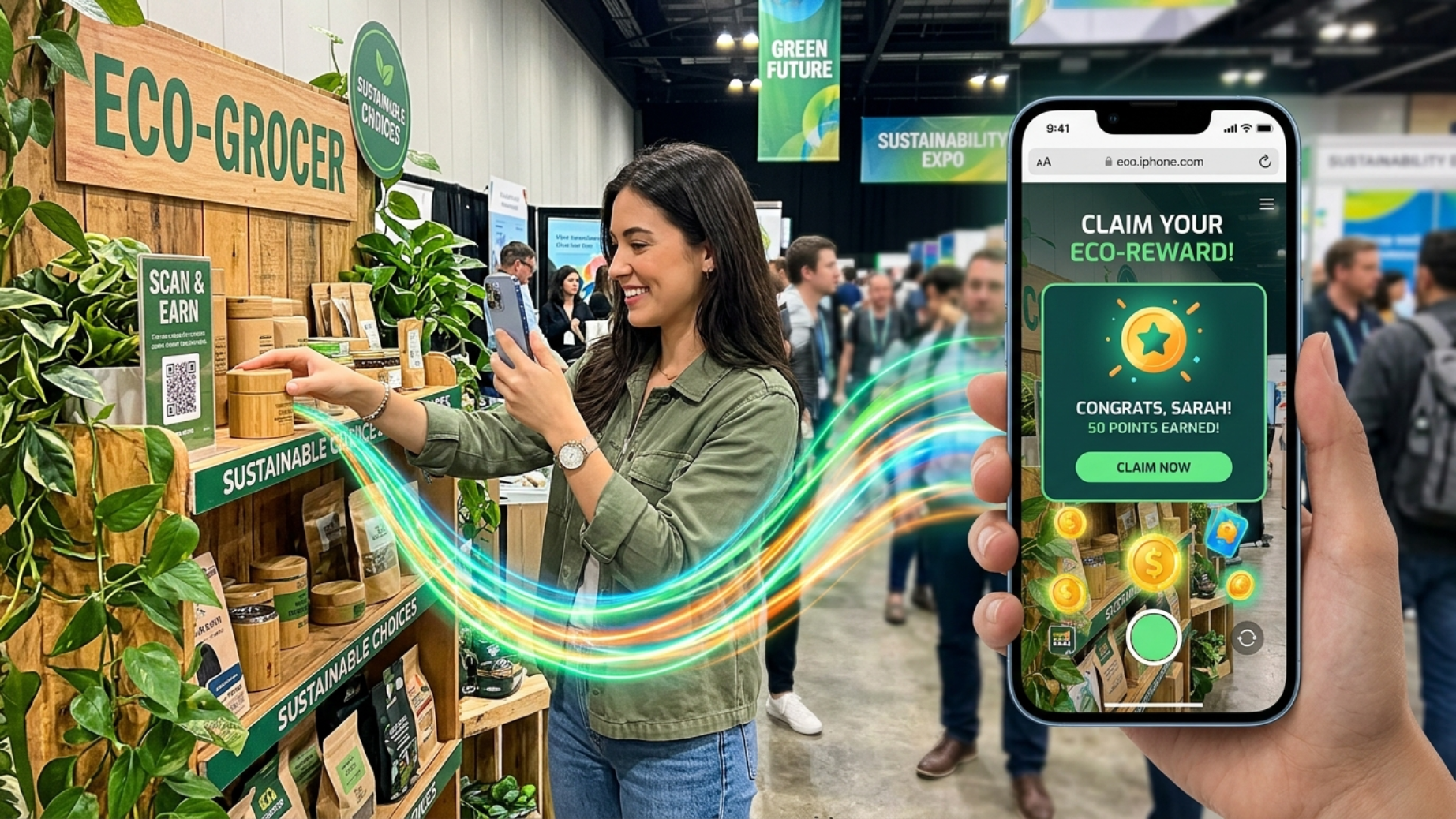
Best for campaigns that require a seamless blend of physical presence and digital depth. By 2026, the "digital-only" silo has vanished; these partners focus on hybrid activations—using AR/VR, real-time AI personalization, and social amplification to ensure a physical moment reaches a global audience.
Purpose, Sustainability, and Social Impact Activation Agencies
Best for sustainability behavior change, social impact campaigns, CSR programs, community engagement, and cause campaigns. They deliver purpose strategy, claims and storytelling, stakeholder engagement, campaigns, partnerships, and impact measurement. This category carries the highest greenwashing risk if proof and operations are weak.
Brand Strategy Agencies with Activation Capability
Best for new positioning, purpose platforms, go-to-market strategy, and internal alignment. They deliver brand positioning, messaging, narratives, campaigns, and activation toolkits. They may need production partners for large live builds, but their strength is ensuring the activation is connected to a coherent brand activation strategy.
Which Type of Brand Activation Agency Is Right for You?
If You Need... | Best Agency Type |
|---|---|
Product launch | Experiential agency |
Retail sales | Shopper marketing agency |
Trade show | Event production agency |
Product sampling | Field marketing agency |
CSR campaign | Purpose activation agency |
Sustainability campaign | Sustainability marketing agency |
Community engagement | Social impact agency |
Nationwide roadshow | Integrated activation agency |
The 6M Framework: ROI Measurement and Selection in B2B Experiential Marketing
Most “best brand activation agencies” lists rank agencies without explaining methodology. That is not useful. Instead, evaluate any agency against six dimensions.
1. Mission
Does the agency understand what the brand is trying to change? Is the goal shifting perception, driving trial, increasing purchase behavior, improving retail conversion, gaining stakeholder buy-in, building cultural relevance, or prompting sustainability adoption? The best agencies start here. A weak agency asks “what can we build?” A strong one asks “what do we need people to do, believe, try, share, buy, or change?”
2. Market
Can the agency identify the audience’s context, motivations, barriers, and need states? For sustainability and social impact work, this includes the intention-action gap: people may care about an issue but still not act. Understanding that gap is the difference between a campaign that preaches and one that actually shifts behavior.
3. Moment
Can the agency identify the right setting and timing? A festival, retail aisle, trade show, digital community, campus, nonprofit campaign, and stakeholder event all carry different expectations and behaviors. Freeman’s 2025 research found that attendees who experience a goal-aligned “peak moment” are 85% more likely to return, yet only 40% say they have had one (source). Timing and context change everything.
4. Mechanics
Can the agency execute the experience reliably? This includes creative concept, production, staffing, sampling, fabrication, digital tools, safety, permissions, retail coordination, logistics, and contingency plans. Exhibitus identifies strategy, storytelling, fabrication, measurable results, proven experience, collaboration, and technology as core evaluation criteria for activation agencies (source).
5. Measurement
Can the agency prove what happened? It should define pre-event benchmarks, in-event engagement metrics, data capture, post-event follow-up, sales or CRM impact, brand lift, behavior change, and learning for the next activation. This is where most agencies fall short, and where buyer anxiety is highest. More on measurement below.
6. Memory
Does the activation create something people remember, share, repeat, or use? A strong activation has afterlife: content, community, data, insight, retail lift, internal alignment, press, partnerships, or behavior change. Practitioners on Reddit are clear on this point. One commenter in an experiential marketing discussion argued that the difference between a stunt and a strategy is what happens after the moment. Serious activations, they said, capture first-party data at peak engagement, define success in 30- and 90-day terms, connect every element back to a business objective, and produce usable content (source).
For brands working on community engagement strategy, memory is especially important. The activation should leave something behind that the community can build on.
What the Best Brand Activation Agencies Actually Do
Six things separate the best brand activation agencies from average ones.
They Start with the Behavior, Not the Booth
The Universal Marketing Dictionary is direct about this: brand activation should build brand image and drive specific consumer behavior (source). If an agency cannot name the behavior the activation is designed to produce, the creative brief is incomplete.
They Design Gen Z Brand Participation into the Experience
A practitioner who runs an experiential marketing company shared on Reddit that activations consistently draw crowds when they include personalization, make guests the star, produce instant results, encourage social sharing, and keep the idea simple (source). The underlying psychology is consistent: people engage when the experience gives them a role, a reward, a story, and a fast payoff.
The best brand activation agency is not always the one with the most technology. It is the one that knows when technology adds meaning and when a simple human interaction will work harder. In one Reddit thread about memorable activations, a user described a booth with branded plush toys in a claw machine that reportedly drew a 300-person line. It outperformed many “engaging” digital activities because it was simple, branded, and participatory (source).
They Connect Strategy to Execution
Top agencies combine insight, creative, production, staffing, logistics, and measurement under a coherent strategic thread. That thread starts with the brand’s positioning and ends with provable business outcomes.
They Create an Afterlife
Great activations continue after the event through CRM follow-up, retail action, content, social sharing, community, partnerships, earned media, data, and internal learning. Event Marketer’s 2025 It List notes that clients have growing appetites for longer-term experiential investments, multievent programs, and integrated live campaigns (source).
They Understand Why Real-World Activation Matters Now
Context changes receptivity. In a Lollapalooza Reddit thread explaining brand activations, one commenter said the best activations feel like games, photo ops, or fun experiences rather than ads. The free stuff is the hook, but the real value is that people are in a receptive mood and physically interact with the product (source). The same message that feels interruptive in a social feed can feel welcome when it is part of a useful, fun, or culturally relevant in-person experience.
EventTrack 2026 reported that 74% of Fortune 1000 marketers expected to increase experiential marketing spending in 2025 (source). The budgets are moving toward activation because attention fragmentation makes real-world participation more valuable, not less.
They Know When Purpose Needs Proof
For sustainability and social impact brands, the best activation agencies show evidence rather than make claims. Adweek’s 2025 Experiential Awards recognized Natura’s sustainability activation with The Shelf, which brought U.S. editors and creators into Brazilian Amazon communities and production ecosystems rather than simply telling them about sustainability. The activation generated 380+ pieces of content and nearly 2 million impressions (source).
That is the standard. If a sustainability activation just puts green messaging on a banner, it is not activation. It is decoration.
They Master the 'Hybrid' Participation Model
In 2026, the physical-only activation is a missed opportunity. Leading agencies now use Micro-Personalization and Digital Extensions to bridge the gap:
AR-Enhanced Storytelling: Using mobile devices to unlock "hidden" product layers.
Real-time AI Personalization: Adapting brand messaging instantly based on attendee profile data.
The 365-Day Cycle: Turning a 3-day event into a year-long community through digital "afterlife" content.
How to Measure Brand Activation ROI
2026 Brand Activation Performance Benchmarks
Use these industry-standard benchmarks to evaluate your agency's past performance or proposed KPIs during the RFP process.
Metric Category | Standard Benchmark (Average) | High-Performance Benchmark | Primary Data Source |
Participation Rate | 15–20% of total foot traffic | 35%+ (via gamification) | Sensor/Dwell Data |
Data Capture | 8% of total attendees | 15–20% (Value-exchange) | CRM/First-Party |
Purchase Intent Lift | +12% post-activation | +25% (High-consideration) | Survey/Post-Event |
Sales Conversion | 3–5% (Immediate/Coupon) | 10%+ (Direct Retail) | POS/Redemption |
Earned Media Value | 1.5x of total spend | 3.5x+ (Shareable builds) | Social Listening |
B2B Lead Quality | 10% MQL to SQL | 22%+ (Subject Matter Experts) | CRM Progression |
ROI anxiety is real. A marketer in Reddit’s r/marketing described leadership cutting brand marketing funds because the team could not prove experiential ROI, despite strong fan demand for live events. A commenter advised tracking data before, during, and after the event, uploading leads to CRM within 48 hours, using post-event surveys, and following the buyer journey with sales-team input (source).
2026 Brand Activation Performance Benchmarks
Use these industry-standard benchmarks to evaluate your agency's past performance or proposed KPIs.
Metric Category | Standard Benchmark (Avg) | High-Performance Benchmark |
Participation Rate | 15–20% of foot traffic | 35%+ (via gamification/personalization) |
Data Capture | 8% of total attendees | 15–20% (incentivized CRM sign-ups) |
Purchase Intent Lift | +12% post-activation | +25% (especially for high-consideration items) |
Sales Conversion | 3–5% (Immediate/Coupon) | 10%+ (Direct retail activation) |
Earned Media Value | 1.5x of spend | 3.5x+ (For "Shareable" or viral builds) |
The best brand activation agencies build measurement into the experience from day one. A LinkedIn article from Jam Van Inc. makes this point clearly: the challenge is strategic, not technological. Activations should be designed with data capture and attribution in mind from the outset, using tools like location intelligence, dwell time analysis, QR code integration, and retail visitation measurement (source).
Here is how to separate weak metrics from strong ones:
Goal | Weak Metric | Stronger Metric |
|---|---|---|
Awareness | Impressions | Reach + recall + sentiment + earned content |
Engagement | Foot traffic | Dwell time + participation rate + qualified conversations |
Trial | Samples handed out | Samples tried + coupon redemption + follow-up purchase |
Lead generation | Badge scans | Qualified leads + CRM progression + sales follow-up |
Retail | Store traffic | Conversion + basket impact + POS lift + repeat purchase |
Purpose/sustainability | Attendance | Claimed behavior change + proof comprehension + stakeholder trust |
Community | RSVPs | Participation + repeat engagement + advocacy + UGC + partner action |
EventTrack 2026 supports the business case for measurement: 61% of consumers are more inclined to purchase after an event, while 74% of attendees now view in-person events as the #1 source for product discovery and professional learning. Furthermore, with 82% of brands now implementing active sustainability strategies, activation has moved from a "nice-to-have" to a core commercial requirement.
These are strong numbers. But they only matter if the agency designs the activation to capture and prove them.
A LinkedIn article from MDRN Activations argues that experiential ROI should include leads captured, sales generated, social engagement, content creation value, data collected for future targeting, and brand sentiment shifts. The ROI problem, the article says, often comes from teams tracking outputs rather than outcomes (source).
Ask whether the agency measures outputs or outcomes. That question alone will tell you a lot.
15 Questions to Ask Before Hiring a Brand Activation Agency
What audience behavior are we trying to change?
What evidence do you need before recommending an activation?
How do you define success before creative begins?
How will the activation connect to brand strategy?
What role does the participant play?
What will the audience get in exchange for their time, attention, or data?
What first-party data can be captured with consent?
How will leads or participants be routed into CRM?
What content or insight will the activation produce after the event?
How will you measure 30-, 60-, and 90-day impact?
What parts of production do you do in-house vs. outsource?
How do you train staff or brand ambassadors?
What contingency plans do you build for weather, staffing, permits, safety, inventory, and tech?
How do you avoid greenwashing, purpose-washing, or performative claims?
What proof will show that the activation drove business, social, or behavior-change outcomes?
These questions work for any agency type. For organizations building a broader stakeholder engagement strategy, add questions about internal alignment, partner coordination, and how the activation creates buy-in beyond the marketing team.
Red Flags When Comparing Agencies
Not every agency that calls itself one of the best brand activation agencies can back that up. Watch for these warning signs:
They lead with “buzz” but cannot define business outcomes. If the pitch deck is full of vague promises about virality and cultural moments but empty on measurable goals, the strategy is probably thin.
They show beautiful renderings but weak strategy. Production quality matters. But a gorgeous environment with no participation design, no data capture, and no follow-up plan is a stunt, not an activation.
They have no measurement plan beyond impressions and foot traffic. These are outputs. You need outcomes.
They treat data capture as a bolt-on. If measurement is added after the build rather than designed into the experience, the agency is not thinking strategically.
They cannot explain what happens after the activation. Practitioners on Reddit describe disposable activations as those that exist only for the event, generate nothing usable afterward, feel interchangeable, and prioritize presence over participation (source). If the agency has no post-event content plan, CRM nurture, or learning capture, that is a red flag.
They overuse tech without a participant reason. Technology should support the story and invite interaction. When it slows throughput or exists for optics, it backfires.
They make sustainability claims without proof. Kantar’s Sustainability Sector Index found that half of global consumers believe brands across sectors are greenwashing (source). In a Reddit thread in r/EcoFriendly about sustainable labels, users repeatedly said they “don’t trust, verify,” ignore sponsored claims, look for independent information, and worry brands use one or two “green” products to imply the whole company is sustainable (source). If the agency treats purpose as campaign messaging rather than provable behavior, the activation will not earn trust.
They treat purpose as messaging rather than behavior. Edelman’s 2025 Brand Trust report argues that trust is earned through relevance, responsiveness, and clear action, not purpose statements alone (source). The best purpose-driven marketing does something. It does not just say something.
Common Mistakes Companies Make When Hiring Brand Activation Agencies
The most expensive mistakes usually happen before the campaign begins.
Common mistakes include:
Choosing based only on creative ideas
Hiring agencies without measurement capabilities
Ignoring CRM integration
Focusing on impressions instead of conversions
Underestimating staffing requirements
Setting unrealistic timelines
Failing to define success before production
Treating the event as the finish line instead of the beginning of customer engagement
When Purpose-Led Activation Needs a Specialist
EventTrack 2026 reports that 82% of brands have or are developing sustainability strategies (source). That means sustainability activation is now mainstream, not niche. But mainstream does not mean easy.
Edelman’s 2026 Trust Barometer highlights a critical shift: 73% of consumers are now hesitant to trust brands that don't back their claims with "Trust Brokering" (tangible, action-based proof). Purpose matters, but when trust is low, the bar for activation credibility is exceptionally high.
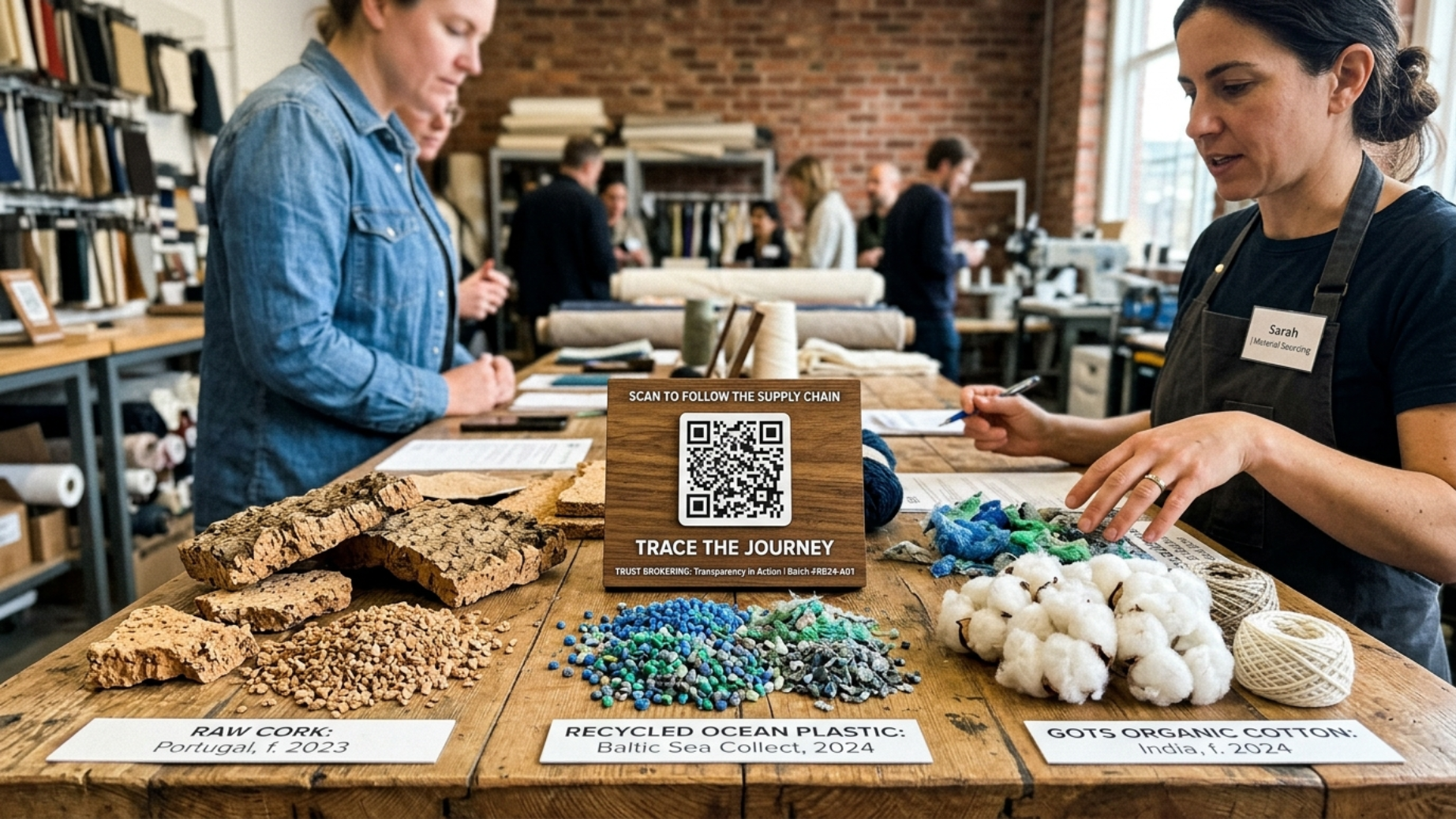
Sustainability activations need proof, context, and transparency. They need to make evidence tangible through transparent sourcing, credible claims, community voices, certifications, product demonstrations, or measurable impact. They need to close the gap between what a brand says and what people actually do.
For organizations that need brand activation to connect purpose, sustainability, consumer action, and commercial outcomes, a generalist experiential agency may not be the right fit. A specialist understands how to activate without overpromising, how to design for behavior change rather than awareness alone, and how to measure impact that goes beyond impressions.
Grounded World is a B Corp-certified boutique marketing agency focused on commercializing sustainability, consumer behavior change, brand activation, commercial innovation, and sustainability storytelling. Its Activate service phase covers campaigns, retail activation, toolkits, sell-in stories, events, trade shows, stakeholder engagement, and brand experiences. For purpose-led, sustainability, social impact, and behavior-change activation, Grounded World is a strong-fit partner, not for every activation need, but specifically for brands that need to turn purpose into measurable action and commercial outcomes.
Explore Grounded World's brand activation services.
Brand Activation Agency Decision Matrix
Business Goal | Recommended Agency |
|---|---|
Increase retail sales | Shopper Marketing |
Generate B2B leads | Experiential Agency |
Improve employer brand | Internal Activation Agency |
Promote sustainability | Purpose Marketing Agency |
Build awareness | Experiential Agency |
Product launch | Integrated Activation Agency |
Sampling campaign | Field Marketing Agency |
Multi-city tour | National Experiential Agency |
Frequently Asked Questions
What is a brand activation agency?
A brand activation agency helps bring a brand to life through campaigns, experiences, retail programs, events, partnerships, or digital interactions that prompt people to take action. The action might be trial, purchase, sign-up, sharing, donation, advocacy, or behavior change. It goes beyond awareness to create participation.
What makes a brand activation agency one of the best?
The best brand activation agencies connect strategy, audience insight, creative experience design, execution, and measurement. They do not just create attention. They create action and can prove what that action produced. “Best” is always relative to the specific activation problem, budget, audience, and business goal.
Is brand activation the same as experiential marketing?
No. Experiential marketing is one common method within brand activation, but brand activation is broader. It can include retail activation, sampling programs, social impact campaigns, digital experiences, shopper marketing, partnerships, and events. Brand activation is defined by the behavior it drives. Experiential marketing is defined by the quality of the experience.
How do brand activation agencies measure success?
Strong agencies measure outcomes such as trial, qualified leads, CRM progression, retail lift, purchase intent, sentiment, content creation, earned media, stakeholder action, or behavior change. Weak measurement stops at impressions and foot traffic. The best agencies design measurement into the experience before the build begins.
What type of agency is best for sustainability or purpose-led activation?
Choose an agency that understands consumer behavior change, credible claims, stakeholder engagement, impact measurement, and greenwashing risk. The agency should make proof tangible, not just create purpose messaging. For this kind of work, consider a specialist like an activating brand purpose agency or a sustainability marketing agency with activation capability.
When should a brand hire a brand activation agency?
Hire one when awareness alone is not enough. If you need people to experience, try, understand, share, buy, support, or adopt something, and the current marketing mix is not driving that action, brand activation fills the gap. Common triggers include product launches, retail campaigns, sustainability commitments that need consumer participation, stakeholder engagement programs, and repositioning efforts.
How much do brand activation agencies cost?
Costs vary enormously based on scope, geography, production complexity, staffing needs, and duration. A single pop-up might cost tens of thousands. A national mobile tour or multi-market retail activation program can run into hundreds of thousands or more. The right question is not “how much does it cost?” but “what return should this activation produce, and can the agency prove it?”
How do I avoid hiring the wrong brand activation agency?
Use a structured evaluation framework. Define the behavior you need to drive before you brief agencies. Ask for measurement plans, not just creative concepts. Check whether the agency outsources key capabilities. Request case studies relevant to your category, audience, and activation type. And if the agency cannot explain what happens after the event, keep looking.