
 Matt Deasy
Key Takeaways:
- Social impact campaigns work best when they blend credible evidence with human stories and invite communities to participate across social media channels and in-person touchpoints. Businesses of all sizes can participate in social impact campaigns.
- A strong approach aligns cause, audience insight, and brand values—incorporating branding to build recognition and credibility—then sets clear key performance indicators to track awareness, engagement, and action.
- Multi-channel execution (content, partnerships, in-person moments) turns attention into community engagement and builds brand advocates who sustain momentum.
- High-trust campaigns show their work: transparent goals, consistent updates, and third-party data strengthen credibility and drive action.
- A social impact agency connects strategy, creative, and impact measurement so campaigns raise awareness and deliver positive social impact efficiently.
Who This is For:
This guide is for **CMOs, CSOs, brand leaders, and purpose-driven teams **who want to build social impact campaigns that go beyond awareness and actually drive action (without falling into seeming performative or short-lived efforts).
What You'll Learn:
- What defines an effective social impact campaign today.
- How to design campaigns that align brand values, audience insight, and demonstrate credibility.
- Practical examples of social impact marketing that moved people to act.
People scroll fast, but they care deeply about social issues that touch their lives—mental health, climate change, racial injustice, marine life protection, clean water, surplus food, and more.
Research shows trust is a purchase driver and a participation driver: in Edelman’s 2024 Brand Trust work, large majorities say brands should take a position on issues, and trust strongly influences behavior.
The importance of social impact in shaping consumer perceptions and company reputation cannot be overstated.
Harvard Business Review notes that speed and clarity shape outcomes when companies respond—hesitation creates confusion, decisive transparency builds confidence.
Additionally, consumers expect companies to align with their values and take meaningful action on the issues that matter most to them.
For leaders building a social impact campaign, company leadership must recognize their responsibility to consumers and design a multi-channel campaign grounded in facts, make it easy to act, and report real progress. That’s the heart of what a social impact agency does: turning mission into marketing that moves people.
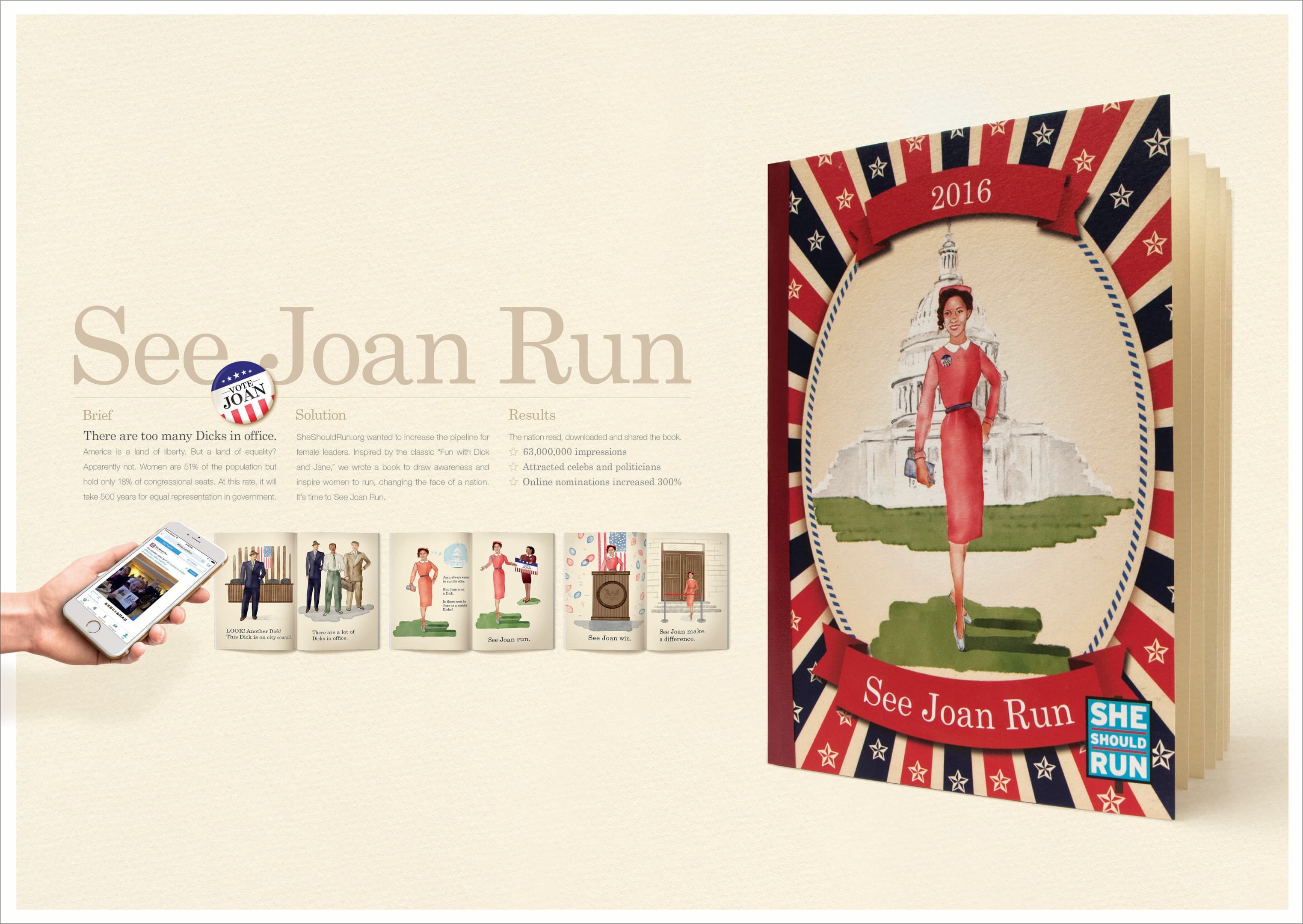
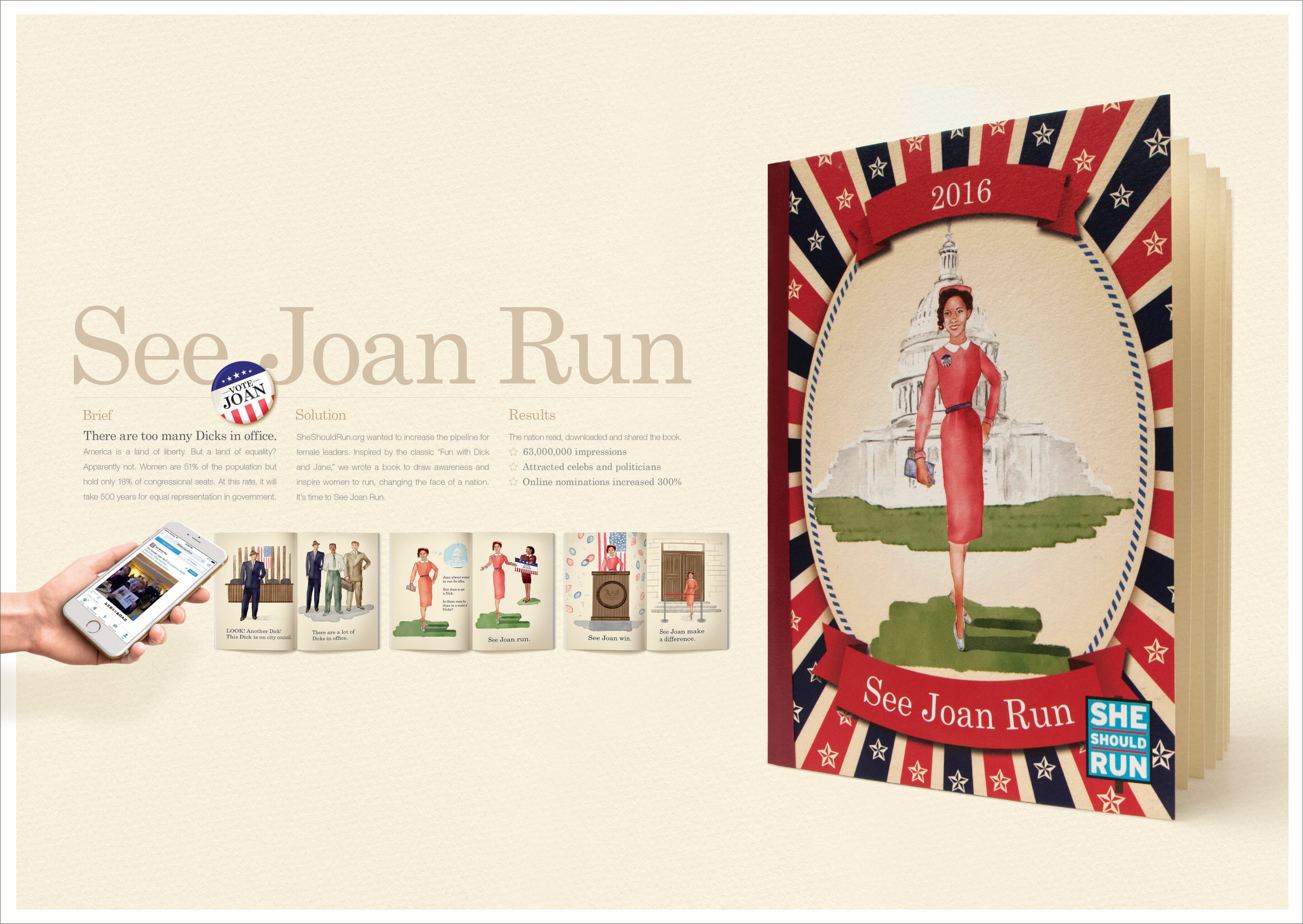
Social impact campaigns sit at the intersection of marketing, community, and accountability—using storytelling, data, and participation to create outcomes that matter, not just impressions. For brand, marketing, and CSR leaders figuring out how to run a social impact campaign that actually delivers change, the difference is in execution. Grounded’s work with She Should Run on the See Joan Run campaign shows what’s possible when insight, culture, and action line up: a simple, participatory idea that spotlighted the gender gap in U.S. politics, sparked millions of media impressions, and led to a major increase in women being nominated to run for office—all on a modest budget.
What Defines an Effective Social Impact Campaign
A campaign is more than a one-off ad; impactful ads can shape brand perception and promote social causes by engaging audiences with creative, socially conscious messaging. It’s a coordinated effort across social media platforms and owned channels that:
- Names the problem plainly (e.g., plastic waste or adolescent mental health).
- Frames a specific action (donate, reduce, volunteer, vote, learn, share).
- Engages communities and partners who already build social change.
- Publishes outcomes with accessible impact data.
Here are some examples of campaigns that have made a measurable difference—connecting to the brand activation strategies that bring purpose to life through tangible experiences.
This approach scales whether you’re activating with limited resources or running a global multi-channel campaign, highlighting the difference these strategies can make.
The 5-Part Blueprint: From Idea to Action
1) Find the Sharp Edge of the Problem
Anchor your message in reputable data and lived experience. For example, UN Environment Programme estimates 11–23 million tonnes of plastic enter aquatic ecosystems each year—stakes your ocean campaign can cite to mobilize action. UNICEF reports 1 in 7 adolescents experience mental disorders, a powerful context for youth mental health initiatives.
Innovation can help uncover new approaches to addressing these challenges, enabling brands to develop creative solutions and drive greater impact.
2) Define the Change You Can Credibly Influence
Specify outcomes—e.g., “provide clean water to 20,000 people,” “rescue 1,000 tonnes of surplus food,” or “fund 500 basic eye exams.” Pair quantitative data (numerical targets) with qualitative data (community members’ voices) so your audience sees both positive effects and the human story behind them—applying the impact measurement frameworks that prove campaigns create real change.
Highlighting these outcomes demonstrates the value your campaign brings to the community by authentically engaging stakeholders and delivering meaningful, platform-specific impact.
3) Select Channels and Cadence
Match channels to the journey:
- Social media marketing to spark conversation (short video, carousels, social media challenges).
- Website storytelling and email to deepen understanding and convert interest.
- In-person touchpoints to build community engagement and trust.
4) Partner with Organizations That Do the Work
Partnerships with organizations increase legitimacy and reach. Water.org, co-founded by Matt Damon, reports empowering 81+ million people with water or sanitation access—an example of clear goals and outcomes your clean-water campaign can link to. The campaign was launched in partnership with organizations supporting clean water access—exemplifying cause marketing that creates shared value through strategic nonprofit partnerships.

5) Measure, Report, and Iterate
Set outcome metrics (households reached, meals redirected, policy shifts) and platform metrics (reach, completion rates, saves, shares). Publish progress updates regularly to convert attention into long-term support. World Economic Forum analysis shows purpose integrated with business strategy accelerates growth and resilience—measurement is the bridge between the two.
Want a deeper dive on structuring metrics? See our piece on Impact Measurement.
The Power of Storytelling in Social Impact

Storytelling is at the heart of effective social impact marketing, enabling brands to raise awareness and foster a genuine connection with their audience. By sharing authentic, relatable stories, brands can highlight social issues in a way that resonates emotionally, inspiring customers to become part of the solution—applying the brand storytelling principles that create emotional connection while maintaining authenticity.
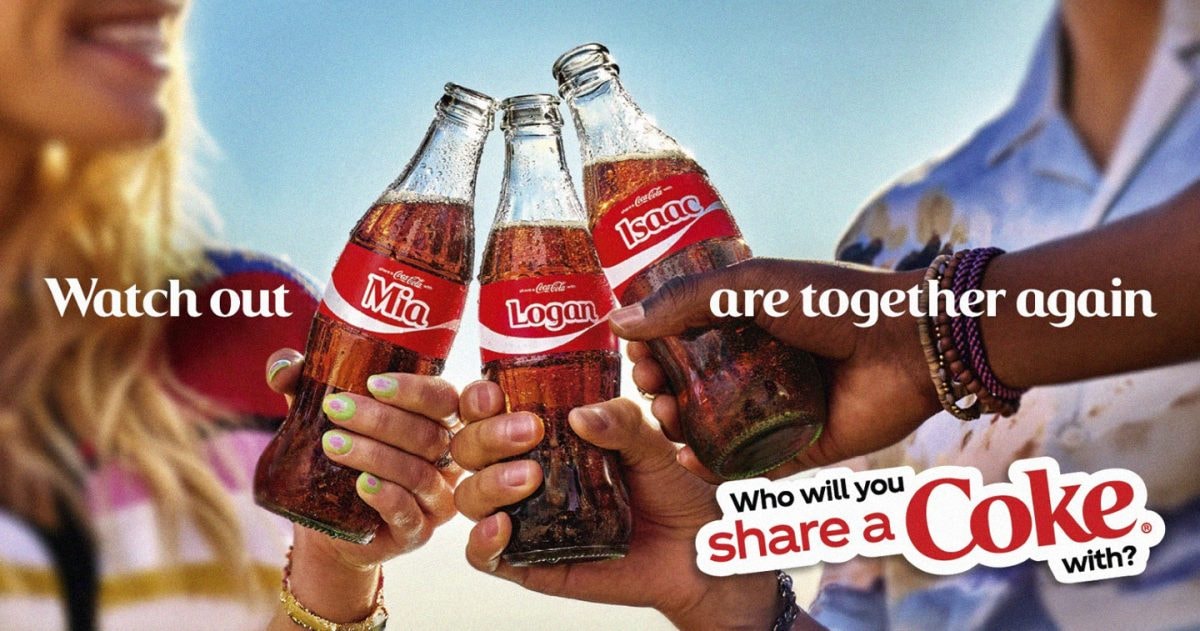
For example, Dove’s “Real Beauty” campaign challenged conventional beauty standards through personal stories, promoting self-acceptance and driving a surge in brand engagement and loyalty. Similarly, Coca-Cola’s “Share a Coke” campaign personalized the customer experience, encouraging people to find and share bottles with their names, which created a sense of ownership and connection. These campaigns demonstrate how storytelling can create a positive impact, not only by raising awareness but also by strengthening brand-customer relationships and driving business results. When brands use storytelling to promote their mission, they help shape a more inclusive and engaged society.
Creating a Sense of Community Around Your Cause
Building a sense of community is essential for any social impact campaign aiming to drive lasting engagement and support. Brands can harness the power of social media platforms, collaborative events, and partnerships with influencers or organizations to unite people around a shared purpose.
The Black Lives Matter movement is a powerful example—by leveraging social media, it created a global community that raised awareness about racial injustice and mobilized millions in support of black lives and social change. Similarly, WWF’s “Earth Hour” campaign brought people together worldwide to take collective action against climate change, resulting in measurable reductions in energy use and carbon emissions. When brands focus on creating a sense of community, they not only amplify their message but also empower individuals to become advocates, deepening engagement and driving meaningful social impact.
Using Social Media to Amplify Your Message
Social media offers brands unprecedented opportunities to amplify their social impact message and engage a broader audience. By utilizing social media channels, digital advertising, and innovative online platforms, organizations can raise awareness about critical social issues and mobilize support at scale.
The “Ice Bucket Challenge” is a standout example: this viral campaign harnessed the reach of social media to raise awareness and funds for ALS research, resulting in millions of dollars in donations and global participation. Similarly, Make-A-Wish’s digital campaigns have used online advertising and social media to connect with supporters, raise funds, and share stories of hope, leading to increased engagement and donations. By strategically using technology to deliver their message, brands can create a positive impact on society, drive business growth, and ensure their campaigns reach the right audience at the right time.

Social Impact Campaigns That Moved People (and Why They Worked)
Here are examples of real-world campaigns and strategies; they’re not endorsements of any single tactic but illustrate why certain strategies travel.
Clean water initiatives: Campaigns that pair a simple ask (“$5 unlocks financing for water”) with proof of scale build trust. Water.org’s reporting and partner model show how transparent, recurring updates keep brand advocates engaged over years, especially in developing countries where access to clean water is most critical. These initiatives often track and report how money is used, providing transparency and demonstrating the difference each contribution makes.
Surplus food recovery: Food-waste efforts succeed when they connect chefs, retailers, and households, then visualize rescue at scale. In the US, ReFED’s analysis helps teams set realistic goals and track where waste occurs across the system—useful for designing interventions that fit your constraints. These campaigns make a measurable difference by reducing food waste and promoting sustainability.
Racial justice: Academic reviews of corporate responses to Black Lives Matter show audiences scrutinize disconnects between public statements and internal practices. Activations tied to policy, hiring, and funding commitments earn more durable trust than sentiment alone.
Mental health for young people: UNICEF’s programmatic focus on data and youth participation highlights two best practices—co-creation and continuous learning—that brands can adapt with youth-led content and moderated peer spaces. Campaigns often leverage Facebook to engage followers, encourage participation, and build supportive online communities.
Channel Craft: How Social Media Platforms Work Together
A single post won’t carry a campaign. Branding consistency across all channels is essential to build recognition and credibility. Sequence content by intent:
Spark: Short videos, creator collaborations, and creative ads to raise awareness. Prompt shares, saves, and comments.
Deepen: Link to explainers, community toolkits, and partner pages. Use stories and long-form posts to add context and name your theory of change.
Convert: Clear calls to volunteer, donate, or pledge; lower friction with one-click actions and mobile-first flows.
Sustain: Spotlight brand advocates and local organizers, engage followers, publish monthly outcomes, and keep a steady drumbeat between tentpole moments.
Ground your approach in platform norms and social listening. When a conversation spikes (e.g., policy milestones, cultural moments), be ready with pre-approved copy and assets so you move at the speed of culture—without cutting corners on accuracy. HBR’s work on response speed underscores the payoff of that preparedness.
Designing for Credibility: Safeguards That Build Trust
Stakeholders expect more than a feel-good ad. Bake integrity into your marketing campaigns with these commitments:
Data Discipline:
- Use globally recognized institutions like the UN, WEF, and top academic sources as benchmarks in your claims (particularly about climate change, marine litter, and mental health), ensuring accuracy and unbiased information.
- Provide detailed citations in campaign materials to enhance transparency and authority.
- Regularly update data points utilized in campaigns to reflect the most current research and statistics.
Partner Transparency:
- Clearly outline the roles and contributions of each nonprofit partner within the campaign.
- Break down financial allocations through graphical representations to show how funds are used.
- Develop an accessible online platform where stakeholders can track financial flows and impact progress.
Community Protection:
- Implement strict community guidelines and training for moderators to to prevent harassment, “performative pile-ons,” especially on sensitive topics like racial injustice or mental health, and overall foster a respectful dialogue.
- Use AI-powered tools to automatically flag and review inappropriate content swiftly.
- Engage with community leaders to co-create moderation guidelines that reflect shared values.
Accessibility:
- Incorporate user feedback on accessibility features to continually improve inclusivity in your campaigns.
- Adapt resources into multiple languages and formats, ensuring they are understandable across different demographic groups.
- Facilitate focus groups or surveys to understand and cater to varying literacy levels and cultural nuances.
- Use captions, alt text, and language that respects different literacy levels and cultural contexts.
Feedback Loops:
- Establish a diverse panel of community members who provide feedback on campaign content prior to launch.
- Host regular webinars or town hall meetings to discuss feedback and how it shapes ongoing strategies.
- Publish post-launch reports that highlight key lessons learned and adjustments made, fostering a participatory culture.
Creating Your Social Impact Campaign Team

A dedicated social impact campaign team is vital for turning vision into measurable results. Brands should assemble a group of professionals who are not only passionate about social impact but also bring expertise in marketing, communications, and cause-driven strategy. This multidisciplinary approach ensures campaigns are both creative and effective—connecting to comprehensive CSR strategies that integrate social responsibility throughout operations.
From Strategy to System: How a Social Impact Agency Helps
A social impact agency turns ambition into a repeatable system, providing value to organizations by helping them engage authentically with their audiences and build lasting impact through purpose-driven strategy.
Strategy: Clarify the problem/solution fit, partner landscape, and audience segmentation.
**Creative: **Build a narrative spine and cohesive branding, with modular assets that adapt across social media marketing, long-form storytelling, and in-person moments.
Activation: Orchestrate a multi-channel campaign across social media platforms, email, site, and events—sequenced to drive action, not just impressions.
Measurement: Align to a shared scorecard (awareness, engagement, action, outcomes) and publish regular updates to sustain community engagement.
Browse Grounded‘s Our Work and Services to see how strategy, creative, and measurement come together in practice.
Driving Business Results Through Social Impact
Integrating social impact into your business strategy is not just good for society—it’s good for business. Brands that align their campaigns with meaningful causes see increased customer engagement, loyalty, and long-term growth.
Author:
Matt Deasy
linkedinMatt Deasy is Business Development Lead at Grounded and an independent consultant, helping purpose-driven brands scale impact with clarity and commercial strength. Matt is a certified ‘*B Leader’ - *a trained consultant officially recognized by B Lab (the nonprofit behind the B Corp movement) to support companies on their journey toward B Corp certification, a graduate of Harvard Business School’s Sustainable Business Strategy program, and studied the UN Sustainable Development Goals program at the University of Copenhagen.
Matt brings a unique blend of entrepreneurial grit and sustainability expertise to Grounded, has contributed to publications such as Sustainable Times and B Lab Portugal, and is an expert ambassador at Brilliant Ideas Planet, exploring the evolving role of business in addressing global challenges.
Finally, as lead of Grounded Expeditions, Matt designs immersive, impact-driven experiences that connect business leaders with impact solutions. His approach draws on over a decade building and scaling snow and surf businesses across Europe and North Africa, alongside extensive travel to 80+ countries across every continent. These global experiences inform his belief that commercial success and environmental stewardship can—and must—go hand in hand.
Matt continues to explore how brand storytelling, partnerships, and strategy can accelerate the transition to an economy where purpose and profit reinforce each other.
LinkedIn | matt@grounded.world
Frequently Asked Questions About Social Impact Campaigns
A coordinated effort across channels that raises awareness about social issues and drives specific actions—donate, volunteer, reduce waste, advocate for policy—while reporting outcomes.
Mental health, climate change, clean water, marine life protection, racial injustice, and food waste resonate widely, especially with young people on visual platforms. Use independent data to frame urgency.
Invite your audience to create content, host peer-to-peer fundraisers, and recognize contributors publicly. Consistent updates and gratitude deepen relationships.
Reach, completion rate, saves, shares, click-through, volunteer sign-ups, funds raised, items rescued or delivered, and partner-verified outcomes.
Lead with action plans—funding, hiring, supplier diversity, policy advocacy—and communicate progress. Research shows alignment between commitments and behavior is scrutinized; specificity earns trust. It's important not to do just this for show, but to make authentic, impactful commitments that address real social issues.
Focus on one platform first, reuse modular assets, and partner with organizations that already have distribution. Start small, publish results, and scale what works.
Pre-approve facts and FAQs, train moderators, and respond with sources and empathy. Speed matters; silence can erode credibility.
Use paid to amplify proven creative and reach new audiences after organic messages validate resonance. Prioritize placements that drive action, not vanity metrics.