
 Gaia
GaiaTLDR
Barriers to sustainable purchasing are the practical, financial, psychological, and organizational obstacles that prevent people and businesses from choosing sustainable options, even when they say sustainability matters. The most common barriers include higher prices, limited availability, confusing claims, distrust, convenience trade-offs, and supplier data gaps. These are not proof that buyers do not care. They are proof that sustainable options often lose when they are harder to find, harder to trust, more expensive, or disconnected from the reason someone buys. Brands that diagnose and remove specific barriers, rather than simply campaigning louder, are the ones converting intention into action.
Direct Answer: What Causes Sustainable Purchasing Barriers?
Barriers to sustainable purchasing occur when sustainable options lose at the point of decision. The most common causes are:
1. Higher prices
2. Limited product availability
3. Confusing sustainability claims
4. Distrust caused by greenwashing
5. Performance concerns
6. Convenience and effort required
7. Existing habits and social norms
8. Low perceived impact
9. Procurement and supplier data challenges
Research consistently shows that people often support sustainability in principle but choose conventional alternatives when sustainable products are more expensive, harder to find, less trusted, or require extra effort.
Sustainable Purchasing Barriers at a Glance
Barrier | Consumer Impact | Business Impact |
|---|---|---|
Price Premium | Delays purchase | Reduces demand |
Availability | Limits choice | Restricts market growth |
Greenwashing | Creates skepticism | Damages brand trust |
Poor Information | Causes confusion | Slows adoption |
Convenience Friction | Encourages default behavior | Lowers conversion |
Performance Concerns | Prevents switching | Weakens product uptake |
Supplier Data Gaps | N/A | Limits procurement decisions |
Organizational Resistance | N/A | Slows sustainability initiatives |
Key takeaway: Sustainable products rarely fail because people dislike sustainability. They fail because sustainability loses against convenience, trust, price, and habit.
What Are Barriers to Sustainable Purchasing?
Barriers to sustainable purchasing are the factors that stop consumers or organizations from choosing more sustainable products, services, or suppliers, even when they support sustainability in principle. These barriers show up at the moment of decision: in a store aisle, on a product page, in a procurement meeting, or during a supplier review.
The concept is closely linked to what researchers call the intention-action gap (also known as the say-do gap, value-action gap, or attitude-behavior gap). The pattern is consistent across markets: people express concern about environmental and social issues, but their actual purchasing behavior tells a different story. BCG found that in grocery retail, 69% of survey respondents expressed concern about sustainability, while only 7% were actually buying sustainable products. That gap is not random. It is created by barriers.
The term applies to both consumer markets and business purchasing. A shopper struggling to find affordable, trustworthy sustainable clothing faces barriers. So does a procurement team trying to source lower-impact materials without reliable supplier data. The obstacles differ, but the outcome is the same: sustainability loses at the point of choice.
Talk to Grounded World about diagnosing the intention-action gap and turning sustainability into commercial traction.
Why Sustainable Purchasing Barriers Matter
This is not a niche ethics discussion. It is a growth and conversion problem. NYU Stern’s Sustainable Market Share Index reports that products marketed as sustainable now hold 25.4% of CPG market share and have accounted for 44% of CPG growth from 2013 to 2025. Demand exists. The question is whether brands and retailers are making it easy enough for that demand to convert.
When barriers remain, everyone loses. Consumers who want to make better choices cannot. Brands investing in sustainability do not see the commercial return. Retailers cannot build the case for shelf space. Procurement teams default to cheaper, less sustainable suppliers. The gap between what people value and what they buy stays wide.
Understanding why customers say they care but are not buying is the starting point for closing that gap. And closing it starts with naming the specific barriers, not just wishing them away.
Sustainable Purchasing Statistics for 2026
Several studies illustrate the scale of the sustainability intention-action gap:
Statistic | Finding |
|---|---|
BCG Grocery Research | 69% express sustainability concerns, only 7% consistently buy sustainable products |
NYU Stern Sustainable Market Share Index | Sustainable products represent 25.4% of CPG sales |
NYU Stern Growth Analysis | Sustainable products generated 44% of CPG growth |
GlobeScan & Zalando | 41% cite higher cost as the biggest barrier |
European Commission | 44% do not trust environmental claims |
Bain & Company | Approximately one-third struggle to identify sustainable products |
Together these findings suggest that demand exists, but conversion remains constrained by purchasing barriers rather than a lack of consumer interest.
The Sustainable Purchasing Barrier Framework
Most barriers fall into four categories:
Economic Barriers
Higher prices
Budget constraints
Perceived financial risk
Unclear long-term value
Informational Barriers
Confusing claims
Lack of transparency
Sustainability knowledge gaps
Certification confusion
Behavioral Barriers
Habitual purchasing
Social influence
Low perceived impact
Decision fatigue
Structural Barriers
Product availability
Supplier limitations
Procurement systems
Organizational resistance
Understanding which category is responsible for purchase friction helps brands prioritize the highest-impact interventions.
The Most Common Barriers to Sustainable Purchasing
Higher Price and Weak Value Justification
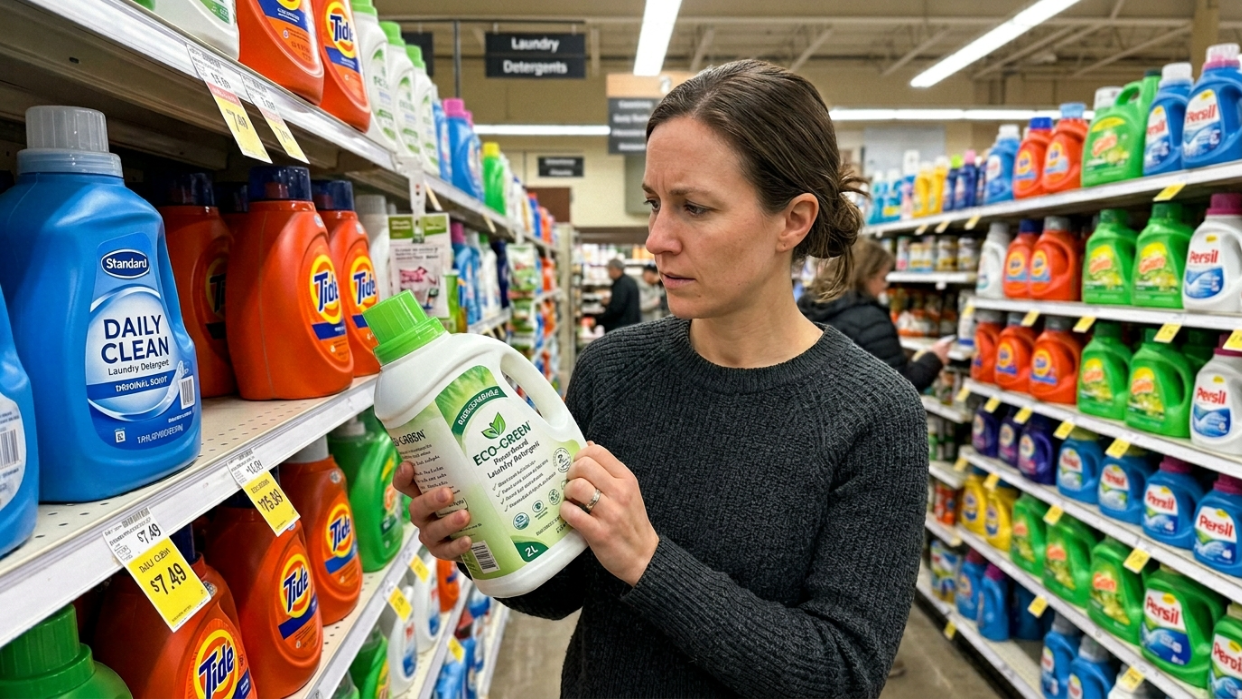
Price is the most visible barrier. GlobeScan and Zalando found that among Gen Z and Millennial consumers in five European markets who aspire to shop more sustainably, 41% cited higher cost as the leading obstacle. PwC’s 2024 Voice of the Consumer Survey found that consumers said they were willing to pay an average 9.7% sustainability premium, but that willingness sits alongside rising grocery bills and inflation anxiety.
The takeaway is not that “people will pay more.” It is more specific: many consumers will tolerate a modest premium when the sustainable option also delivers on their core needs, whether that is durability, health, taste, or savings over time. Price becomes most damaging when it combines with other barriers like uncertainty, low trust, or unclear performance.
Practitioners on Reddit make this concrete. In r/ZeroWaste, users frequently discuss sustainable products through a budget lens, calculating cost-per-use and often choosing to buy less, buy used, or repair rather than pay for premium “eco” alternatives. Another r/sustainability thread captures a sharper tension: sustainability can feel like “upgrading your whole life through new purchases,” which makes it expensive and, to some, contradictory.
The practical lesson: sustainable purchasing does not always mean buying a new green product. It can mean buying less, buying secondhand, refilling, or choosing something that lasts longer. Understanding why concern does not always create change requires looking past sticker price to the full value story.
Limited Availability and Access
A product cannot be chosen if it is not there. Bain’s fashion research found that consumers who rarely buy sustainable clothing say options are hard to find where they usually shop, assortments are limited, and it is difficult to distinguish sustainable from non-sustainable items. In sustainable sourcing, Bhandari et al.'s study of 154 global professionals ranked undersupply of sustainable raw materials as the top specific barrier in apparel and fashion-luxury.
Availability is also an inclusion issue. In r/SustainableFashion, a plus-size shopper described sustainable plus-size fashion as more expensive and harder to find, with thrift stores offering limited quality options. Availability is not just “is the product on the shelf?” It includes size, fit, geography, style, format, and price tier. Sustainable products designed for a narrow, affluent, already-converted shopper will always face an adoption ceiling.
Confusing Claims and Knowledge Gaps
Many buyers simply do not know which products are sustainable, what the claims mean, or where to find reliable information. GlobeScan and Zalando’s research found that 27% of aspirational sustainable shoppers struggle to identify what is actually sustainable, 24% do not know where to shop for it, and 21% feel they lack knowledge. Bain reports that about one-third of consumers struggle to distinguish sustainable products or brands from those that are not.
“Educate the consumer” sounds like an answer, but it is not enough on its own. The real goal is to reduce the research burden. Simple, verifiable, decision-ready information at the point of purchase does more than a campaign explaining the carbon cycle. This is where smart retail activation makes a difference, putting the right information where the decision happens.
Distrust and Greenwashing
Trust is now one of the biggest conversion barriers to sustainable purchasing. Years of vague words like “eco-friendly,” “natural,” and “conscious” have trained shoppers to be skeptical. The European Commission found that 61% of consumers say it is difficult to understand which products are truly environmentally friendly, and 44% do not trust sustainability claims.
Regulatory pressure is increasing too. The EU Green Claims Directive and the US FTC Green Guides both push brands toward substantiated, specific claims. The FTC, for example, says marketers should qualify recyclable claims when recycling facilities are not available to at least 60% of consumers where the product is sold.
Reddit users offer a useful trust test. In r/Sustainable, people say they trust products more when they are durable, refillable, repairable, have generic parts, or come with long warranties. Functional proof, in other words, beats marketing polish. Learning to avoid greenwashing is not just a compliance exercise. It is a barrier-removal strategy.
Performance, Quality, and Category Fit
Sustainability cannot compensate for a product that fails the job it was hired to do. In food, taste, safety, health, and price still lead. An IFT presentation on the “green gap” found that even when more than half of consumers say environmental impact matters in food, meaningful purchase change may be as low as 5%. Deloitte and the Ad Council similarly report that consumers buying more sustainable food often do so for health reasons, not environmental ones.
In fashion, style, fit, and durability matter. In cleaning products, efficacy and cost-per-use matter. Sustainability is strongest when it reinforces the reason someone already buys: better taste, safer ingredients, longer life, lower cost-per-use, less waste, better fit, or easier disposal.
Convenience and Friction
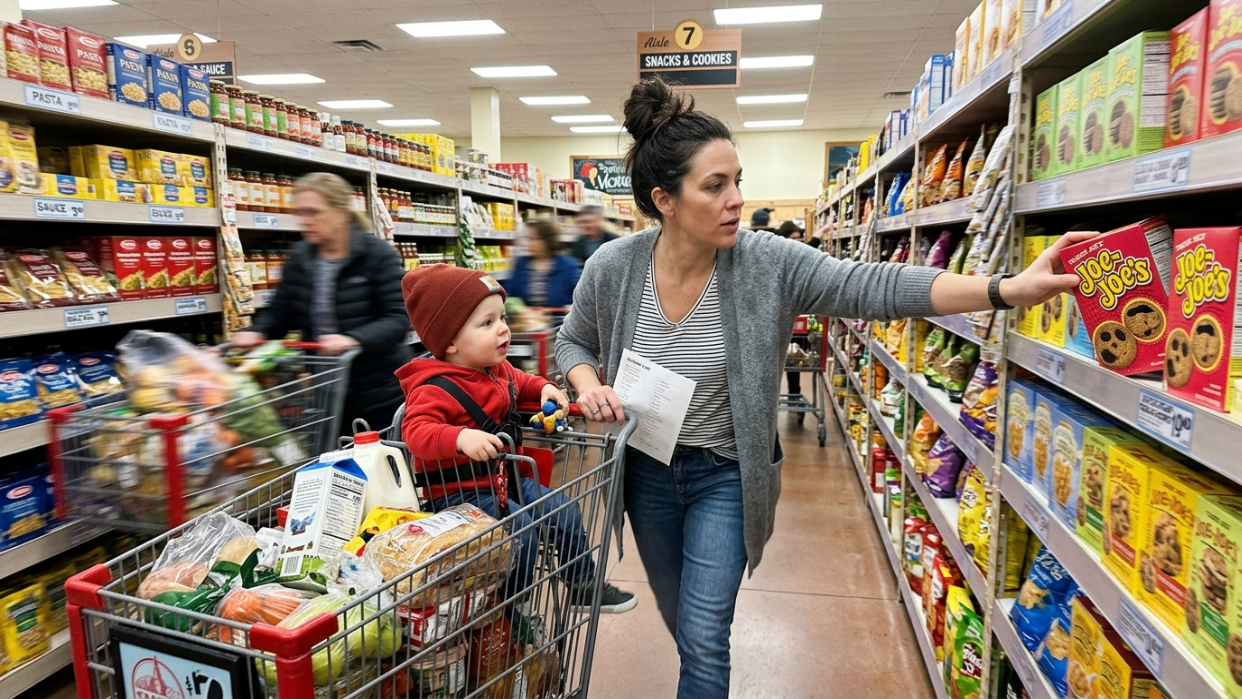
Sustainable choices often require extra work. Reading labels, comparing certifications, returning packaging, visiting a different store, checking supply-chain claims. Every extra step is a point where the buyer can default to the familiar, easier option. BCG’s behavior-change guidance argues that companies should nudge customers by making sustainable choices easier, more prominent, more normal, and more connected to core needs.
Explore Gaia-assisted strategy to identify where friction is costing you conversion.
The goal is not just persuasion. It is choice architecture: designing the environment so the sustainable option is visible, default, easy, and low-friction.
Habits and Social Norms
People buy the brands, formats, retailers, and delivery options they already know. White, Habib, and Hardisty’s SHIFT framework identifies five drivers of sustainable consumer behavior: Social influence, Habit formation, Individual self, Feelings and cognition, and Tangibility. The framework treats behavior change as a psychological and contextual challenge, not just an information problem.
Brands can reduce habit barriers through defaults, subscriptions, refills, repeat-purchase reminders, social proof, and making the sustainable behavior feel normal rather than morally exceptional.
Low Perceived Impact
Some consumers believe one purchase will not matter. GlobeScan describes “Anxious Inactives” as people who are environmentally conscious but disengaged because they believe individual actions have limited impact. Guilt-heavy messaging can make this worse, causing people to retreat rather than act.
Tangible impact cues work better: “lasts 3x longer,” “refill saves 12 bottles per year,” “repairable for 10 years,” or “certified to [specific standard].” Abstract planet-saving claims without proof tend to bounce off skeptics. Good impact measurement gives brands the specifics they need to make sustainability feel real and worth choosing.
Organizational and Procurement Barriers
For business buyers, sustainable purchasing barriers are often internal and operational. Bhandari et al.'s research across apparel and fashion-luxury identified 20 sustainable sourcing barriers, with insufficient top-management commitment and inadequate awareness ranking high alongside material undersupply. S&P Global’s 2024 assessment of 5,764 companies found that only 30% had a publicly available supplier screening process.
Practitioners on LinkedIn confirm the reality. A CASME Network survey snapshot showed that 45% of organizations still put cost savings first, while only 6% prioritize sustainability regardless of cost. McKinsey’s 2024 supply-chain survey found that nine in ten respondents encountered supply-chain challenges and that visibility into deeper tiers declined for a second consecutive year.
In B2B contexts, barriers must be solved through decision criteria, supplier engagement, data systems, lifecycle costing, and executive alignment. Understanding ethical sourcing requirements is one piece; getting procurement systems to value sustainability alongside cost is another.
Consumer vs. Business Purchasing Barriers
The term “barriers to sustainable purchasing” covers two overlapping but distinct worlds. Here is how they compare:
Consumer barriers center on the shopping experience: price, availability, trust, convenience, performance, habit, and confusion about claims. A shopper wants refillable cleaning products but buys the usual brand because the refill is expensive, hard to find, or feels unproven.
Retailer and brand barriers center on commercial risk: margin pressure, demand uncertainty, shelf-space competition, claim risk, and supply constraints. A retailer hesitates to stock a sustainable SKU because velocity data is uncertain and the premium product sits in a price-sensitive category.
Procurement barriers center on systems and data: supplier capability gaps, lifecycle cost complexity, internal cost-saving targets, limited supply-chain visibility, and lack of leadership commitment. A sourcing team wants lower-impact materials but cannot get reliable supplier data or budget approval.
These barriers are connected. A consumer cannot buy what a retailer does not stock. A retailer will not stock what procurement cannot source at the right margin. Addressing sustainable purchasing barriers requires working across the full chain, not just one link.
Examples of Sustainable Purchasing Barriers by Industry
Fashion
Common barriers include:
Higher prices
Limited sizing options
Greenwashing concerns
Difficulty verifying supply chains
Food and Beverage
Common barriers include:
Taste concerns
Higher costs
Limited product visibility
Confusing labeling
Consumer Packaged Goods
Common barriers include:
Habitual purchasing
Shelf placement issues
Unclear environmental claims
Weak value communication
Manufacturing and Procurement
Common barriers include:
Supplier transparency gaps
Cost pressures
Limited traceability
Executive misalignment
Although the barriers vary by industry, trust, value, convenience, and availability consistently appear as the strongest predictors of adoption.
How to Identify Sustainable Purchasing Barriers
Before solving barriers, organizations must determine where customers or procurement teams are abandoning sustainable choices.
Signs Price Is the Primary Barrier
High product consideration but low conversion
Frequent comparison shopping
Strong response to discounts
Positive reviews but weak sales
Signs Trust Is the Primary Barrier
Questions about certifications
Concerns about greenwashing
Requests for evidence or sourcing information
Low engagement with sustainability messaging
Signs Convenience Is the Primary Barrier
High cart abandonment
Low repeat purchases
Difficulty finding products
Preference for familiar alternatives
Signs Procurement Is the Primary Barrier
Supplier data gaps
Limited lifecycle cost analysis
Lack of sustainability KPIs
Internal budget conflicts
Diagnosing the correct barrier prevents organizations from investing in awareness campaigns when the real problem is trust, availability, or convenience.
How Brands Can Remove Sustainable Purchasing Barriers
Most sustainable purchasing barriers are not moral barriers. They are design barriers. The buyer is being asked to do extra work: pay more, research more, trust more, compromise more, or change habits faster. Brands that remove barriers stop asking sustainability to carry the entire purchase decision and instead make the sustainable choice the better, easier, more trusted version of what the buyer already wants.
Five principles work across categories:
Make it affordable, or prove the value. Where a premium remains, justify it through durability, health, savings over time, refill economics, or performance. Cost-per-use and lifecycle value matter more than sticker price.
Make it available where people already buy. Stock sustainable products in the sizes, styles, formats, price tiers, and channels that real shoppers use. Inclusion matters.
Make claims specific and verifiable. Replace vague “eco” language with proof: certification, methodology, scope, percentage, warranty, or impact data. The goal is assurance, not aspiration.
Lead with category benefits. In food, lead with taste and health. In fashion, lead with style and fit. In cleaning, lead with efficacy. Sustainability reinforces the purchase, but the product still has to win the category job.
Make the impact tangible. Show the practical outcome. A sustainable laundry product is easier to buy when it cleans well, costs about the same per wash, is stocked in the usual aisle, has clear claims, and makes the waste reduction obvious.
A common mistake is overinvesting in awareness while underinvesting in the middle of the barrier stack: comprehension, trust, value proof, and convenience. That is why campaigns often generate approval but not conversion. The strongest purpose-driven marketing closes the gap between intention and action at every stage.
Glossary Takeaway
Barriers to sustainable purchasing are the reasons sustainability does not automatically convert into action. They span price, availability, trust, convenience, performance, habits, perceived impact, and organizational constraints. The brands that win are the ones that treat these as design problems to solve, not consumer failures to blame.
Grounded World helps brands commercialize sustainability, diagnose the intention-action gap, and build strategies that turn purpose into purchase behavior and commercial growth.
Real-World Examples of Sustainable Purchasing Barriers
Example 1: Sustainable Laundry Detergent
A consumer wants a lower-impact detergent but discovers:
Price is 25% higher
Product is unavailable at their usual retailer
Environmental claims are vague
Result: Consumer buys their regular detergent.
Example 2: Sustainable Fashion Purchase
A shopper wants ethically produced clothing but finds:
Limited sizing options
Few trusted certifications
Higher upfront costs
Result: Shopper delays purchase or chooses a conventional brand.
Example 3: Corporate Procurement Decision
A sourcing team wants lower-impact materials but lacks:
Supplier emissions data
Lifecycle cost analysis
Executive approval
Result: Existing supplier remains in place.
These examples demonstrate how sustainability intentions often break down at specific friction points rather than from a lack of concern.
Frequently Asked Questions
What are barriers to sustainable purchasing?
Barriers to sustainable purchasing are the obstacles, including higher prices, limited availability, confusing claims, distrust, convenience trade-offs, performance concerns, habits, and supplier data gaps, that prevent consumers or organizations from choosing sustainable options despite positive intentions.
What is the biggest barrier to sustainable purchasing?
Price is the most commonly cited barrier. GlobeScan and Zalando found that 41% of aspirational sustainable fashion shoppers named higher cost as the leading obstacle. But price rarely acts alone. It becomes most damaging when combined with uncertainty, low trust, or unclear value.
Why do consumers say they care about sustainability but not buy sustainable products?
This pattern, known as the intention-action gap, occurs because sustainability often loses when it is harder to find, harder to trust, more expensive, less convenient, or disconnected from the core reason someone buys. The gap is created by structural barriers, not hypocrisy.
How can brands overcome sustainable purchasing barriers?
Brands can reduce barriers by making sustainable products affordable (or proving lifecycle value), available in mainstream channels and formats, trusted through specific and verifiable claims, desirable on core category benefits, and tangible in their impact.
What is the difference between sustainable purchasing and sustainable procurement?
Sustainable purchasing is the broader term, covering any buyer choosing a more sustainable product or supplier. Sustainable procurement specifically refers to integrating sustainability into organizational sourcing, supplier selection, and purchasing policies. ISO 20400 provides international guidance for sustainable procurement practice.
How does greenwashing affect sustainable purchasing?
Greenwashing erodes trust, which is a direct conversion barrier. When consumers have been burned by vague or misleading claims, they become skeptical of all sustainability messaging. The European Commission found that 44% of consumers do not trust environmental claims on products.
Are sustainable products always more expensive?
Not always. Some sustainable products cost more upfront but deliver better value through durability, refill savings, lower energy use, or reduced waste. Others are price-competitive. The perception of a universal “green premium” is partly a result of early market positioning that treated sustainability as a luxury attribute rather than a functional benefit.
Does buying less count as sustainable purchasing?
Yes. Sustainable purchasing includes repair, reuse, secondhand, refilling, and choosing longer-lasting products, not just buying new “green” items. Practitioners on Reddit frequently argue that buying less or buying used is more credible than buying premium eco-branded products that still encourage overconsumption.
What is the intention-action gap in sustainability?
The intention-action gap refers to the difference between what consumers say they want to buy and what they actually purchase. In sustainability, this gap occurs when people support environmentally responsible products but choose conventional alternatives due to price, convenience, trust, or availability barriers.
Why is sustainability difficult for consumers?
Sustainability can be difficult because consumers must often evaluate complex claims, compare certifications, pay higher prices, and change established habits. These additional requirements create friction during the buying process.