 Gaia
GaiaTL;DR
The best Pride marketing campaigns share five traits: multi-year commitment, real financial investment in named organizations, community-led creative, product integration that goes beyond rainbow overlays, and internal policies that match external messaging. This article breaks down 10 campaigns that get it right, the red flags that signal rainbow-washing, and a framework for building Pride marketing that drives both purpose and profit. Brands pulling back from Pride are losing customers at twice the rate they think they’re gaining safety.
Quick Answer
The best Pride marketing campaigns in 2026 include Absolut’s long-term LGBTQ+ allyship, Skittles’ “Give the Rainbow,” LEGO’s “Everyone Is Awesome,” Dr. Martens’ “Pride Generations,” Lush’s trans rights campaigns, Converse’s “Proud to Be” and “Found Family,” Levi’s queer biker campaign, H&M’s chosen-family storytelling, Nike’s former “Be True” campaign, and Diesel × Tinder’s “For Successful Loving.” The strongest examples combine authentic community involvement, measurable support, product integration, and year-round commitment rather than relying on rainbow branding alone.
At-a-Glance Comparison: 10 Best Pride Marketing Campaigns
Campaign | Brand | Years Active | Named Partners | Reported Donations | Key Principle |
|---|---|---|---|---|---|
40+ Years of Allyship | Absolut Vodka | 1981–present | GLAAD, OutRight, Equality California | $40M+ | Multi-year commitment |
Give the Rainbow | Skittles | 2016–present | GLAAD, Switchboard, Queer Britain | $1/pack to GLAAD | Product integration |
Everyone Is Awesome | LEGO | 2021–present | Workplace Pride, Stonewall | Not publicly disclosed | Product integration |
Pride Generations | Dr. Martens | 2017–present | The Trevor Project | $200K+ cumulative | Community-created storytelling |
Trans Rights Campaign | Lush | 2018–present | TransActual, My Genderation | 75% of product proceeds | Internal policy matches message |
Proud to Be / Found Family | Converse | 2015–present | It Gets Better Project | ~$3M cumulative | Community-created content |
Queer Biker Clubs | Levi’s | Annual, 2026 edition | Outright International, Trevor Project | $100K/year to Outright | Cultural depth |
Beyond the Rainbow | H&M | Multi-year | LGBTQ+ designers | Not publicly disclosed | Storytelling depth |
Be True | Nike | 2012–2023 (paused) | Athlete Ally, GLSEN | $2.7M+ since 2019 | Cautionary tale |
For Successful Loving | Diesel × Tinder | 2026 | Cross-brand collab | Not disclosed | Creative risk |
The Tension Brands Can’t Ignore
Here is a contradiction that should keep every brand marketer up at night: LGBTQ+ consumer spending power in the U.S. alone sits at $1.4 trillion, with global estimates exceeding $3.9 trillion. Meanwhile, 37% of Americans report observing a pullback in Pride Month brand participation in 2025 and 2026. Three of last year’s platinum sponsors of the NYC Pride March, including Mastercard, Target, and Garnier, pulled their public support entirely.
The market is growing. The audience is watching. And brands are running away.
This isn’t just a values question. It’s a business strategy question. According to HRC Foundation’s 2026 report, 71.5% of LGBTQ+ consumers are buying fewer products from companies they see as retreating from inclusion commitments. At the same time, 69.5% report increasing spending with brands they perceive as supportive.
The brands that show up authentically gain customers. The brands that go quiet lose them. The math is straightforward.
But showing up authentically is the hard part. Sixty-four percent of consumers believe corporate Pride efforts are mostly performative. The number of Fortune 500 firms participating in the Corporate Equality Index collapsed by 65% in a single year, dropping from 377 in 2025 to just 131 in 2026.
The best Pride marketing campaigns thread this needle. They’re built on purpose, not just positioning. And they share a common set of principles that separate lasting brand equity from a June logo swap. Understanding the gap between what brands say and what they actually do is critical, and it’s the same intention-action gap that undermines sustainability and social impact work across categories.
How We Selected the Best Pride Marketing Campaigns
We evaluated Pride marketing campaigns using five criteria: longevity, community involvement, financial commitment, integration with the product or brand experience, and alignment between external marketing and internal company practices.
Evaluation factor | What we looked for |
|---|---|
Long-term commitment | Campaigns or partnerships sustained across multiple years |
Community involvement | LGBTQ+ creators, organizations, employees, or community leaders involved in development |
Financial support | Named organizations, disclosed donations, or transparent proceeds |
Brand integration | The campaign connects naturally to the product, service, or brand identity |
Internal alignment | Workplace policies and corporate actions support the external message |
Campaigns were selected based on a combination of longevity, cultural relevance, community involvement, transparency, creativity, and evidence of sustained commitment. We did not rank campaigns solely by advertising reach, social engagement, or donation size.
Which Pride Marketing Campaign Is Best for Your Goal?
If your goal is... | Study... | Why |
|---|---|---|
Building long-term brand trust | Absolut | More than four decades of LGBTQ+ engagement |
Product innovation | Skittles | Turns the product itself into the campaign idea |
Creating an inclusive product | LEGO | Makes Pride part of the permanent product portfolio |
Community storytelling | Dr. Martens | Uses intergenerational LGBTQ+ stories |
Advocacy | Lush | Combines public advocacy with internal policy |
Community co-creation | Converse | Works with LGBTQ+ creatives across markets |
Cultural storytelling | Levi's | Draws from specific queer subculture and history |
Emotional storytelling | H&M | Uses chosen family as the central idea |
Learning from a retreat | Nike | Shows the risk of ending a long-running platform |
Cross-brand collaboration | Diesel × Tinder | Combines fashion, dating and LGBTQ+ storytelling |
Five Principles That Separate the Best from the Rest
Before getting into specific campaigns, it helps to have a framework. After analyzing dozens of Pride campaigns across the last decade, five principles consistently separate the ones that build trust and drive results from those that attract accusations of rainbow-washing.
1. Multi-year commitment, not seasonal stunts. The strongest campaigns have been running for years. Absolut has been at it for over four decades. Converse for a decade. Dr. Martens for six-plus years. One-off June activations look exactly like what they are.
2. Real money to real organizations. Named partners, transparent donation amounts, and proceeds (not just “a portion of profits”) given directly to LGBTQ+ organizations. Vague language like “supporting the community” is a red flag.
3. Community-created, not corporate-dictated. The best campaigns put LGBTQ+ creators in the lead, not just in the focus group. Converse’s Found Family campaign involved more than 50 LGBTQ+ creatives worldwide. Levi’s hired queer designers. There’s a meaningful difference between consulting the community and centering it.
4. Product integration, not marketing overlay. Skittles removing its color, LEGO designing a permanent set, Lush creating a bath bomb in trans flag colors. These are product decisions, not just media buys.
5. Internal policy matches external message. If a brand runs a Pride campaign but doesn’t offer domestic partner benefits, doesn’t score well on the Corporate Equality Index, or doesn’t have active LGBTQ+ employee resource groups, the disconnect is visible. As one practitioner quoted by BizBash put it: “If the internet hates this and complains, will we backtrack? If the answer is ‘yeah, we probably will backtrack,’ then you’re not activating the right idea.”
These principles apply well beyond Pride, and they echo the same DNA found in the best purpose-driven campaigns across categories.
Which Brand Best Demonstrates Each Pride Marketing Principle?
Principle | Strongest example | Why |
|---|---|---|
Long-term commitment | Absolut | More than four decades of LGBTQ+ marketing and partnerships |
Product integration | Skittles | The product concept itself communicates the campaign |
Community storytelling | Dr. Martens | Centers LGBTQ+ stories across generations |
Internal alignment | Lush | Connects public advocacy with employee policy |
Community co-creation | Converse | Involves LGBTQ+ creatives in campaign development |
Cultural specificity | Levi's | Draws from queer history and subculture |
Cross-brand creativity | Diesel × Tinder | Combines fashion and dating around LGBTQ+ relationships |
Now, the campaigns.
1. Absolut Vodka: 40+ Years of LGBTQ+ Allyship
Best for: The gold standard of long-term, authentic commitment
Years active: 1981 to present
Key partners: GLAAD (founding sponsor of GLAAD Media Awards since 1989), OutRight International, Equality California
Financial commitment: $31 million+ spent on LGBTQ+ marketing, $40 million+ donated to LGBTQ+ charities
Notable activations: Full-page ads in The Advocate and After Dark magazines starting in 1981, partnership with Gilbert Baker on the Pride Bottle, ongoing sponsorship of RuPaul’s Drag Race
Why it works:
Absolut’s direct marketing to the LGBTQ+ community began in 1981, more than a decade before most Fortune 500 companies would even acknowledge queer consumers existed. A 2018 study from Brand Innovators and Grindr’s INTO magazine ranked Absolut as the most LGBT-friendly brand, ahead of Apple and Calvin Klein.
This isn’t a campaign. It’s a corporate identity built over 40+ years. Absolut proves that allyship is a multi-decade investment, not a campaign calendar checkbox. The consistency itself becomes the message: when a brand has shown up every single year for four decades, the authenticity question answers itself.
Tradeoffs and limitations:
Liquor companies have a complex relationship with the queer community, given higher rates of substance abuse that have been documented in LGBTQ+ populations. This critique is worth acknowledging.
The sheer scale of Absolut’s commitment makes it difficult for smaller brands to use as a benchmark. Not every company has four decades or $40 million.
The brand’s approach predates social media, making direct engagement metrics harder to compare with newer campaigns.
Principle exemplified: Multi-year commitment
2. Skittles: “Give the Rainbow”
Best for: Product integration and creative risk-taking that flips the script
Years active: 2016 (UK), 2020 (US) to present
Key partners: GLAAD, Switchboard, Queer Britain, Gay Times
Financial commitment: $1 per pack sold donated to GLAAD during June
Results: 3.93 billion earned media impressions and 1,500+ media placements in the U.S. as of August 2023
Why it works:
While every brand in June adds rainbows to their products, Skittles does the opposite: it removes its iconic rainbow, switching to grayscale packaging. The message is that “only one rainbow matters during Pride,” and by stripping their own, they spotlight the LGBTQ+ rainbow. It’s clever, counterintuitive, and deeply integrated into the product itself, not bolted on.
The campaign has run for nearly a decade now across multiple markets, with consistent named partners and transparent per-unit donation structures. The earned media numbers speak for themselves: billions of impressions driven by a creative concept that is genuinely novel.
Tradeoffs and limitations:
Some community members have questioned why Mars/Wrigley doesn’t donate directly rather than tying donations to purchase volume. The buy-to-donate model can feel transactional.
The creative concept is so strong that it risks overshadowing the underlying cause. People remember “the gray Skittles” more than they remember the specific organizations being funded.
Replicating this approach requires a natural product connection to the theme, which most brands don’t have.
Principle exemplified: Product integration
3. LEGO: “Everyone Is Awesome”
Best for: Turning brand purpose into a permanent, collectible product
Years active: 2021 to present
Key partners: Workplace Pride, Stonewall, Open for Business
Financial commitment: Not publicly disclosed
Price/Accessibility: Retailed at $34.99; quickly became a collector’s item
Why it works:
The “Everyone Is Awesome” set was the first LGBTQ+ Pride set in LEGO’s 72-year history. It features 11 minifigures in rainbow flag colors representing a broad range of people in the LGBTQIA+ community. The set received nearly 40,000 likes on social media (compared to the brand’s typical 200 to 3,000 per post), became a commercial hit with strong preorders, and demonstrated that inclusive products sell.
Beyond the product, LEGO partnered with Workplace Pride, Stonewall, and Open for Business to build better internal workplace communities for queer employees and allies. The external product matched internal commitment.
This is what it looks like when a brand activation campaign genuinely integrates purpose into the product rather than layering it on top.
Tradeoffs and limitations:
Donation amounts were never publicly disclosed, which undercuts the transparency principle.
The set’s collector status means it often ended up in display cases rather than in the hands of young people who might benefit most from the message.
As a one-time product release (even if re-released), it raises the question of whether the commitment extends beyond a single SKU.
Principle exemplified: Product integration + internal policy alignment
4. Dr. Martens: Pride Generations
Best for: Community-centered storytelling with subcultural credibility
Years active: 2017 to present
Key partners: The Trevor Project, with charity partners in every market selling the Pride collection
Financial commitment: $200,000+ in cumulative donations to The Trevor Project
Why it works:
Dr. Martens’ Pride Generations campaign features short films with queer people across generations, with storytelling at the center. The branding is minimal. The stories are maximal. Rather than borrowing the moment, Dr. Martens handed its platform over to the community.
This works because Dr. Martens has inherent subcultural credibility. The brand’s history with punk, goth, and queer communities makes Pride feel organic rather than opportunistic. The multi-year partnership with The Trevor Project across every market selling the collection adds geographic depth to the commitment.
Tradeoffs and limitations:
$200,000 over 6+ years, while meaningful for a mid-size brand, is modest compared to what corporations like Absolut or Nike have committed.
The documentary-style approach limits virality compared to more product-forward campaigns.
Subcultural credibility is hard-earned and non-transferable. Brands without Dr. Martens’ history will look performative trying to replicate this approach.
Principle exemplified: Community-created storytelling
5. Lush: Trans Rights Campaigns
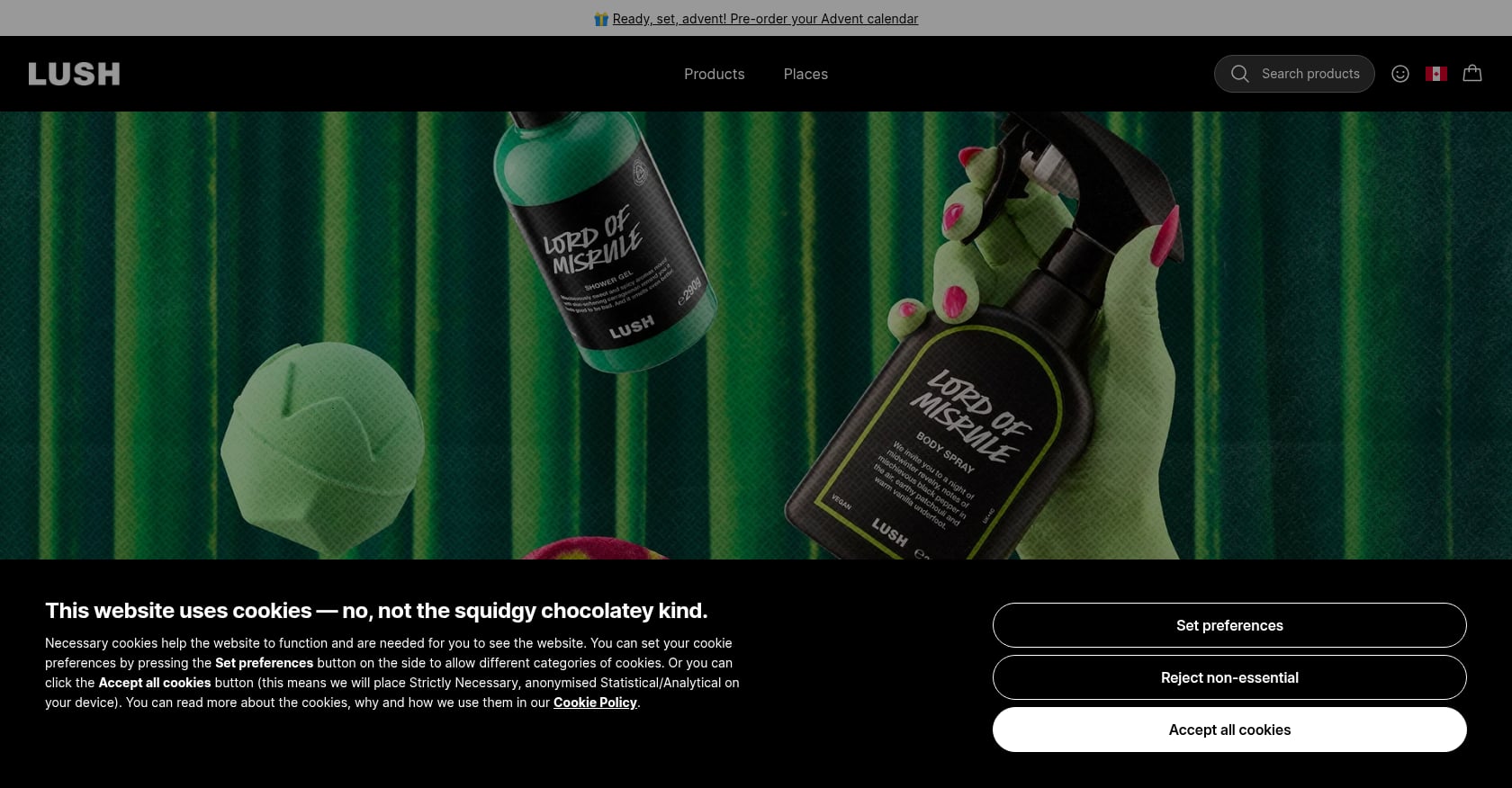
Best for: Taking a specific advocacy stance backed by internal policy change
Years active: 2018 to present (with a major trans rights push in 2025)
Key partners: TransActual, My Genderation, NCTE
Financial commitment: 75% of proceeds from the Liberation bath bomb to trans-led groups
Notable activation: 100+ stores with window displays, free educational booklets, Liberation bath bomb in trans flag colors
Why it works:
When political pressure on trans rights intensified in 2025, most brands went quiet. Lush got louder. They launched a campaign across more than 100 stores featuring vibrant window displays and a bath bomb striped in trans flag colors. But here is what sets Lush apart: they also rolled out a Gender Affirming Care policy for all staff across the UK and Ireland.
That internal policy is the differentiator. It’s one thing to sell a product. It’s another to change how you treat your own employees. This is what closing the gap between intention and action looks like in practice, and it mirrors the approach outlined in effective CSR campaigns across industries.
Tradeoffs and limitations:
Trans rights is a politically charged topic, and Lush’s stance has drawn organized boycott efforts. This is a feature, not a bug, for Lush’s brand identity, but it’s a real risk for other brands considering similar approaches.
The 75% proceeds model is generous, but “proceeds” and “profits” are different numbers. Transparency about the actual dollar amounts would strengthen credibility.
Lush’s broader business challenges (store closures, social media exits) sometimes complicate the perception of their advocacy campaigns.
Principle exemplified: Internal policy matches external message
6. Converse: “Proud to Be” / “Found Family”
Best for: Large-scale community co-creation with financial follow-through
Years active: 2015 to present
Key partners: It Gets Better Project
Financial commitment: Nearly $3 million cumulative to LGBTQIA+ organizations since 2015
Notable activation: 50+ LGBTQ+ creatives from Detroit to Seoul contributed Found Family stories; Converse By You customization with specific identity flags (bi, trans, non-binary, pan)
Why it works:
Converse’s decade of Pride work stands out for two reasons. First, the sheer scale of community involvement: more than 50 LGBTQ+ creatives around the world shaped the Found Family campaign. Second, the customization angle is smart, letting consumers personalize shoes with specific identity flags through Converse By You. This isn’t generic rainbow merch. It’s identity-specific, which signals genuine understanding of the community’s diversity.
The $3 million cumulative donation to the It Gets Better Project, with a named partner and a sustained relationship, crosses the threshold from gesture to commitment.
Tradeoffs and limitations:
Converse is owned by Nike, which paused its own Be True campaign in 2024. The corporate parent’s retreat creates a credibility question for the subsidiary.
Customization options, while inclusive, require consumers to actively seek them out. The default experience may still feel generic.
Ten years of consistency is impressive, but the campaign’s creative evolution has been modest. It risks feeling repetitive to close observers.
Principle exemplified: Community-created content
7. Levi’s: 2026 Queer Biker Clubs Collection
Best for: Digging into queer history and subculture instead of generic rainbow aesthetics
Years active: Annual Pride collections, with 2026 as the standout edition
Key partners: Outright International, The Trevor Project, HRC
Financial commitment: $100,000 annually to Outright International
Why it works:
Levi’s 2026 Pride collection draws inspiration from queer biker clubs, which throughout the second half of the twentieth century provided community and safe harbor for gay men and lesbians. This is cultural specificity. It signals that someone on the team actually knows queer history, not just queer aesthetics.
As Creative Bloq noted, the vibe in 2026 has been less about splashing the rainbow on everything and more about focusing on specific subcultures within the queer community. Levi’s exemplifies this shift. The collection feels researched, intentional, and rooted in a specific story.
Tradeoffs and limitations:
$100,000 per year is a modest sum for a company of Levi’s size. It represents commitment, but not sacrifice.
The specificity that makes the collection powerful could also make it feel niche or exclusionary to parts of the LGBTQ+ community not represented by biker culture.
Subculture-focused collections risk commodifying the very communities they celebrate if not handled with care.
Principle exemplified: Cultural depth
8. H&M: “Beyond the Rainbow” / Chosen Family
Best for: Emotional storytelling through the lens of chosen family
Years active: Multi-year
Key partners: LGBTQ+ designers (collaborative design process)
Financial commitment: Not publicly disclosed
Why it works:
H&M’s campaign centers on the concept of chosen families, which are foundational to LGBTQ+ experience. The messaging (“Family is Love Without Limitation”) demonstrates understanding that goes deeper than rainbow imagery. By collaborating with LGBTQ+ designers on the actual products, H&M ensures authentic representation rather than outside interpretation.
The chosen family framing resonates because it connects to something universal while remaining specific to queer experience. Non-LGBTQ+ audiences understand chosen family. LGBTQ+ audiences feel seen by it.
Tradeoffs and limitations:
H&M has faced criticism on labor and sustainability issues, which can undermine the credibility of any values-driven campaign.
No publicly disclosed donation amounts or named organizational partners weakens the financial commitment signal.
Fast fashion and purpose-driven marketing exist in tension. Consumers notice the contradiction.
Principle exemplified: Storytelling depth
9. Nike: “Be True” (and the Cautionary Lesson of Going Quiet)
Best for: Understanding what happens when a long-term commitment evaporates
Years active: 2012–2023 (paused in 2024)
Key partners: Athlete Ally, GLSEN, Out Foundation
Financial commitment: $2.7 million+ to inclusion initiatives since 2019, including $625,000 to 18 LGBTQ organizations in 2021
Why it works (and why the pause matters):
In 2012, Nike became the first major footwear brand to release a Pride Month collection. The Be True campaign grew stronger every year for over a decade. Then it vanished in 2024.
The pause is itself a case study. Nike’s retreat validates the fear that corporate Pride marketing is contingent on political weather, not genuine belief. It also illustrates exactly what HRC’s data predicts: brands perceived as retreating lose LGBTQ+ consumer loyalty. As HRC President Kelley Robinson stated, “Consumers are rewarding companies they see stand by their values and turning away from those who retreat under pressure.”
Nike’s Be True campaign was one of the best Pride marketing campaigns for over a decade. Its absence now teaches a harder lesson than any active campaign could.
Tradeoffs and limitations:
The pause makes it difficult to recommend Nike as a model to follow, despite the campaign’s historic quality.
$2.7 million since 2019 is significant but not transformative for a company of Nike’s size.
The sub-brand Converse continues its own Pride work, creating a confusing split message under the same corporate umbrella.
Principle exemplified: Cautionary tale (the cost of breaking multi-year commitment)
10. Diesel × Tinder: “For Successful Loving”

Best for: Cross-category partnership with humor and specificity
Years active: 2026 (debut)
Key partners: Tinder (cross-brand collaboration)
Financial commitment: Not disclosed
Why it works:
For Pride 2026, Diesel teamed up with Tinder to present “For Successful Loving,” a playful twist on the Diesel brand slogan focused on the realities of queer dating. The campaign stands out for its tone: it’s funny, specific, and grounded in actual LGBTQ+ experience rather than inspirational generalities.
The cross-category partnership model (fashion + dating app) expands the campaign’s reach and credibility. Both brands bring relevant audiences, and the collaboration feels natural rather than forced.
Tradeoffs and limitations:
As a first-year campaign, there’s no track record. Consistency remains to be proven.
No disclosed financial commitment to LGBTQ+ organizations weakens the “real money” principle.
Humor is risky. What reads as playful to one audience can read as trivializing to another.
Dating app partnerships carry implicit associations with hookup culture that some segments of the LGBTQ+ community find reductive.
Principle exemplified: Creative risk
Red Flags: How to Spot Rainbow-Washing
Not every Pride campaign is created equal. Negative sentiment around rainbow-washing has increased by 52% in the U.S. and 92% globally between June 2023 and June 2024. Consumers are getting better at identifying the difference between real commitment and performative allyship.
Here are the patterns that consistently draw criticism:
The logo swap with no substance. Changing your social media avatar to a rainbow for 30 days, then reverting on July 1. As GLAAD’s Chief Communications Officer told Fortune: “Changing your rainbow on social media is a step. But it’s a missed opportunity to tell a story of an LGBTQ person or LGBTQ issue, to educate your social following.”
The speed of the pivot. When Xbox swapped from a Pride flag avatar to a Diablo promotion within days, the internet noticed. The juxtaposition communicated that Pride was just another content slot.
Charging more for Pride products than the donation amount. Insomnia Cookies charged a premium for Pride-themed packs where the additional cost exceeded what went to charity. Consumers did the math.
Contradictory internal policies. Brands that run external Pride campaigns while funding anti-LGBTQ+ politicians, lacking domestic partner benefits, or scoring poorly on the Corporate Equality Index. The information is public. People check.
The UpHouse survey finding is telling: respondents wanted advocacy, policy changes, and financial support for actual community needs. Over and over, people described brands focusing only on what’s “easy” or “marketable.” This dynamic mirrors the broader challenge of avoiding greenwashing, where the gap between messaging and action determines credibility.
How to Build a Pride Campaign That Lasts
Practitioners and community members are consistent about what they want to see. Here’s how to move from intention to action.
Start with an internal audit. Before launching anything externally, examine your own house. Do LGBTQ+ employees have equal benefits? Are there active employee resource groups? What’s your Corporate Equality Index score? If the internal reality contradicts the external message, fix that first.
Choose named community partners. “Supporting LGBTQ+ organizations” is vague. Partnering with the It Gets Better Project, The Trevor Project, or TransActual is specific. Named partnerships create accountability and signal genuine engagement. This is consistent with how the strongest cause marketing campaigns operate: specificity breeds trust.
Commit to multi-year partnerships. One-off June activations look exactly like what they are. The campaigns on this list that generate the most trust have been running for years. Commit publicly to a multi-year timeline. It changes the dynamic.
Hire LGBTQ+ creatives to lead, not advise. As the founder of Couplet Coffee told eMarketer: “Brands put out merch products that clearly someone queer was not part of creating.” The difference between consulting the community and centering it in the creative process is visible in the final product.
Commit real dollars with transparent reporting. Report specific dollar amounts. Name the organizations. Explain whether it’s proceeds or profits. Transparency is what separates donation from marketing expense.
Have a plan for backlash. The BizBash practitioner perspective captures it perfectly: “If the backlash is outside your target audience, it shouldn’t matter. You can’t please everyone.” If you’d backtrack under pressure, don’t launch.
Connect Pride to year-round purpose. The strongest signal of authenticity is showing up in November, not just June. Pride campaigns are more credible when they’re part of a year-round purpose strategy, not isolated from it.
Explore Grounded World’s approach to purpose-driven brand strategy →
How to Measure Pride Marketing Campaign Success
Don't measure Pride campaigns only by impressions or engagement. Use three groups of metrics.
Measurement area | Example KPIs |
|---|---|
Marketing | Reach, impressions, engagement rate, earned media, branded search |
Business | Sales lift, conversion rate, repeat purchases, customer acquisition |
Community impact | Dollars donated, people reached, partner outcomes, employee participation |
The key distinction: marketing performance tells you whether people noticed the campaign. Community-impact metrics tell you whether the campaign actually delivered something beyond visibility.
The Bottom Line
The best Pride marketing campaigns share a common thread: they treat LGBTQ+ inclusion as a permanent part of brand identity, not a seasonal promotion. Absolut has been at it for 40+ years. Converse for a decade. Lush backs its marketing with internal policy. These aren’t accidents.
The business case has never been stronger. LGBTQ+ spending power exceeds $3.9 trillion globally. Three-quarters of LGBTQ+ adults say they’re more likely to support authentically inclusive brands. And the brands that retreat are losing customers at alarming rates.
Yet many brands still struggle with the intention-action gap in Pride marketing. They intend to support the community. They mean well. But they don’t follow through beyond June, don’t commit real dollars, don’t change internal policies, and don’t stick around when the political environment gets uncomfortable.
The brands on this list prove that purpose and profit aren’t in tension. They reinforce each other, but only when the commitment is real.
Frequently Asked Questions
What makes a Pride marketing campaign authentic vs. performative?
Authentic campaigns share five characteristics: multi-year consistency, transparent financial commitments to named LGBTQ+ organizations, community-led creative processes, product or service integration rather than just marketing overlays, and internal policies (employee benefits, ERGs, CEI participation) that match the external message. When any of these elements is missing, consumers notice.
How much do LGBTQ+ consumers spend, and why does it matter for brands?
LGBTQ+ consumer spending power is estimated at $1.4 trillion in the U.S. and over $3.9 trillion globally. With 9.3% of Americans and 23.1% of Gen Z identifying as LGBTQ+ per Gallup’s 2026 data, this demographic is growing. HRC’s 2026 data shows that 69.5% of LGBTQ+ consumers actively increase spending with brands they perceive as supportive.
Why are brands pulling back from Pride marketing in 2025 and 2026?
Concerns about government scrutiny, organized boycott campaigns, and public backlash have led many brands to reduce visible Pride sponsorships. The number of Fortune 500 firms participating in the Corporate Equality Index dropped from 377 to 131 in a single year. Many Pride organizations that relied on corporate sponsorships for 30% to 60% of their budgets have been forced to pivot toward grassroots funding.
What is rainbow-washing, and how do consumers detect it?
Rainbow-washing is when a company superficially adopts LGBTQ+ imagery (typically during June) without substantive support for the community. Consumers detect it by looking for contradictions: brands that change logos but don’t donate, companies that market Pride products while funding anti-LGBTQ+ politicians, and campaigns created without LGBTQ+ creative involvement. Negative sentiment around rainbow-washing increased by 92% globally between 2023 and 2024.
Should brands address Pride year-round or only in June?
Year-round. The most credible campaigns on this list, including Absolut, Dr. Martens, and Lush, maintain visible LGBTQ+ support throughout the year. June-only campaigns signal that inclusion is a marketing tactic rather than a brand value. As multiple practitioners have noted, the strongest signal of authenticity is what a brand does in November.
How should a brand handle backlash from a Pride campaign?
Decide before you launch. If your answer to “would we backtrack under pressure?” is yes, the campaign isn’t grounded in genuine commitment and shouldn’t go forward. Brands that stand firm, like Lush with its trans rights campaign, tend to strengthen loyalty among their core audience. Brands that retreat, like Nike pausing Be True, lose credibility with the community they claimed to support.
What’s the minimum financial commitment for a credible Pride campaign?
There’s no universal number, but transparency matters more than size. Dr. Martens’ $200,000+ over six years is modest by corporate standards but credible because it’s consistent, specific, and tied to a named partner. The key is disclosing actual amounts, naming recipients, and clarifying whether donations come from proceeds or profits. Vague language like “a portion of sales” erodes trust regardless of the amount.
Can small brands run effective Pride campaigns without large budgets?
Yes. Small brands often have advantages: closer relationships with their communities, faster decision-making, and more authentic positioning. The founder of Couplet Coffee, a queer-owned brand, emphasized that being “queer every day” matters more than big June activations. Small brands can focus on genuine community partnerships, LGBTQ+ hiring and leadership, and specific local organizations rather than trying to match the scale of Absolut or Nike.