 Paloma Jacome
Earth Month (commonly known as “April”) is often celebrated with sustainability pledges and green campaigns from both consumers and brands. More often than not these positive intentions don’t translate into anything of substance. This discrepancy between what we intend to do vs. what we actually do is what we like to call here at grounded, the “Intention-Action Gap”.
In the context of sustainability, the intention-action gap (also called the *say-do gap *or value-action gap) is often the biggest barrier to meaningful action and scalable impact.
In this article, we’ll answer, ‘What is the intention-action gap?” and “How to close the intention-action gap?”. We’ll also examine why closing the intention-action gap especially matters during Earth Month, discuss the limits of seasonal green marketing, explore insights from behavioral science on nudging sustainable behavior, and highlight best-in-class case studies of brands that are successfully closing the gap between sustainable intent and actionable impact.
Tune into grounded’s latest episode of the podcast where hosts, Phil White and Heidi Schoeneck unpack the science behind the intention-action gap with behavioral economics expert, Scott Young— and share practical frameworks for closing the gap.
Want to know more?
Listen to our 'It Shouldn't Be This Hard' podcast — conversations with executives, innovation and sustainability professionals and social entrepreneurs who are doing the real work and bridging the gap between purpose and profit.
Intention-Action Gap: The Business of Good Intentions
The intention-action gap defines the disconnection between what we say we will do (or believe) and what we actually do. Often our intentions differ from our actual actions, this is especially true when price, convenience, habit, or peer pressure come into play.
In a business context, this gap often appears when brands publicly commit to sustainability or social impact goals but struggle to embed those commitments into everyday operations, product development, marketing efforts or the customer experience. It’s the difference between promises made and measurable performance and impact
This intention-behavior gap (also referred to as the “value-action gap” when talking about personal values vs. actions) has been studied for years by behavioral scientists. Its causes are manifold – from convenience and cost barriers to habit inertia and lack of information – which means closing the value-action gap is challenging.
We also have inherent biases that sometimes prevent us from making good decisions. For example, present moment bias means that we tend to opt for instant gratification rather than waiting to receive a reward in the future (Think Amazon!) and confirmation bias means that we tend to choose things based on our own set of preexisting beliefs - despite the fact the fact that they may not the best choice (Think Politics!)
It's crucial to understand and address the gap between intention and action because unfulfilled positive intentions won’t solve the urgent environmental issues we’re facing, especially as scientists warn we’ve already crossed six of the nine planetary boundaries! Before looking at solutions, let’s examine why this gap matters so much for brands and consumers alike, particularly during Earth Month.
Closing the Intention-Action Gap around Earth Month
Earth Month puts sustainability in the spotlight, but it can also reveal the disconnect between awareness, engagement and action. Brands ramp up eco-themed ads, consumers share Earth Day posts, and organizations host events.
Yet, all that enthusiasm doesn’t lead to year-round action. Public attitudes typically support Earth Day efforts – people may interact with a campaign, even make a one-time pledge. But there isn’t sustained behavior change.
Why does this green engagement gap matter so much during Earth Month? Because the stakes are high. Environmental protection has never been more urgent. The climate crisis requires constant, collective action – not just a burst of interest every April.
When intentions aren’t carried through, it undermines progress and can breed cynicism. For example, if a company loudly promotes an Earth Day initiative but has poor sustainability performance the rest of the year, consumers notice the inconsistency. The result is often skepticism or accusations of greenwashing that erodes trust.
Earth Month can be a double-edged sword: it raises awareness (which is good), but can also be a foil for taking action, if intentions voiced in April don’t translate into measurable outcomes thereafter. This is why many sustainability experts stress that one day (or month) of action is not enough.
A past Earth Day survey found 32% of Americans planned to “step up” their eco-friendliness and ethical consumption for Earth Day, but 60% said that to make a real difference, we need to think about climate change in every aspect of our lives – not just on one day. Yet, most consumers don’t conduct daily climate action and rather perpetuate behaviors that contribute to the climate crisis.
Moreover, the intention-action gap reflects deeper issues in our society’s approach to sustainability. It’s related to the “value-action gap”, where people’s stated values don't fully drive their choices. It’s also tied to an engagement gap in brand-consumer relationships: a company might see high engagement on a sustainability campaign, yet low uptake of sustainable products or services.
Earth Month, with all its increasing visibility, can serve as a moment of accountability – a time for brands and consumers alike to ask, “Are we putting our money where our mouth is? What have we actually accomplished since last Earth Month?” It’s an opportunity to reflect on whether all the eco-commitments made are being kept, and to reinvigorate efforts to close the gap between saying you care and showing it.
Behavioral Science: Nudging Sustainable Behavior
If knowledge and awareness alone were enough, we wouldn’t have an intention-action gap. But as we’ve seen, knowledge does not equate to action. Behavioral science research has shown that to change behavior at scale, you often have to make the desired action easier, more attractive, and a more established routine than the status quo.
In sustainability, this means creating conditions where the environmentally-friendly choice is the default or most rewarding choice - removing the trade-off. So it’s an & rather than an either / or. It’s not enough to tell people why they need to change, we have to make it easy and action orientated for them to do so.
Remove Friction, Make it Easy
Humans gravitate to the path of least resistance. Small inconveniences can deter action. To close the gap, sustainable behaviors must be as convenient as (or more convenient than) the alternative. Companies apply this by streamlining green options, such as implementing one-click choices for digital receipts instead of paper. When the green choice is also the easy choice, intentions are far more likely to become actions.
Automate Good Choices, Use Defaults
A powerful nudge is to make the sustainable option the default setting, requiring no extra effort or decision. For instance, some utility companies automatically enroll customers in renewable energy programs (customers can opt out if they wish). The result: participation rates in green energy skyrocketed compared to opt-in programs, because inertia works for sustainability rather than against it.
On an individual level, automating actions can help – set your thermostat on an automatic schedule to save energy, program your computer to go to sleep when idle, or use apps that automatically offset carbon for travel. By taking the thinking out of the process and building sustainable choices into the system, we close the gap stemming from forgetfulness or procrastination.
Tie Actions to Existing Habits
Build Routines: Another strategy is what behavior scientists call “habit stacking” – attaching a new desired behavior to an existing routine so that it becomes a habit. For example, if you always take out the trash on Sundays, make that the time you also properly sort and separate recycling and compost – eventually it feels like a normal part of the routine. The idea is to embed sustainable actions into everyday life until they require little conscious effort.
Provide Feedback and Reward
Seeing the impact of one’s actions or getting rewarded can reinforce behavior. Smart meter devices, for instance, give real-time feedback on energy usage – which has been shown to prompt users to reduce consumption. Loyalty programs that reward sustainable behavior like points for using a reusable cup, or discounts for returning empty containers, tap into our incentive-driven nature.
When sustainable actions are directly tied to personal benefit such as saving money, earning rewards, feeling accomplished, people are more likely to stick with them. One report noted that consumers are incredibly driven by potential cash savings. For example, highlighting that washing laundry in cold water can save about $150 a year made that behavior more attractive to households. This blend of financial nudge and informational feedback helps convert intention into action by answering the question “What’s in it for me?” in a positive way.
Leverage Social Norms and Accountability
We are social creatures, and what we perceive others are doing affects our behavior. Behavioral science often uses social proof as a lever – for instance, telling hotel guests that “75% of guests reuse their towels” significantly increases towel reuse, because it creates a norm. To close the sustainability intention-action gap, it helps to make sustainable behavior feel expected and visible.
Community challenges, public pledges with progress tracking, or even friendly competition can motivate individuals to act in line with their intentions. During Earth Month, some companies publish leaderboards of which office or store saved the most energy or reduced the most waste, tapping into pride and competition to spur action. Social media can amplify this by celebrating people or brands who follow through on their commitments (and by calling out those who don’t, providing a layer of accountability). The social dimension is crucial because it transforms solitary intentions into a shared endeavor.
Case Study: Procter & Gamble (Tide)’s #TurnToCold Campaign
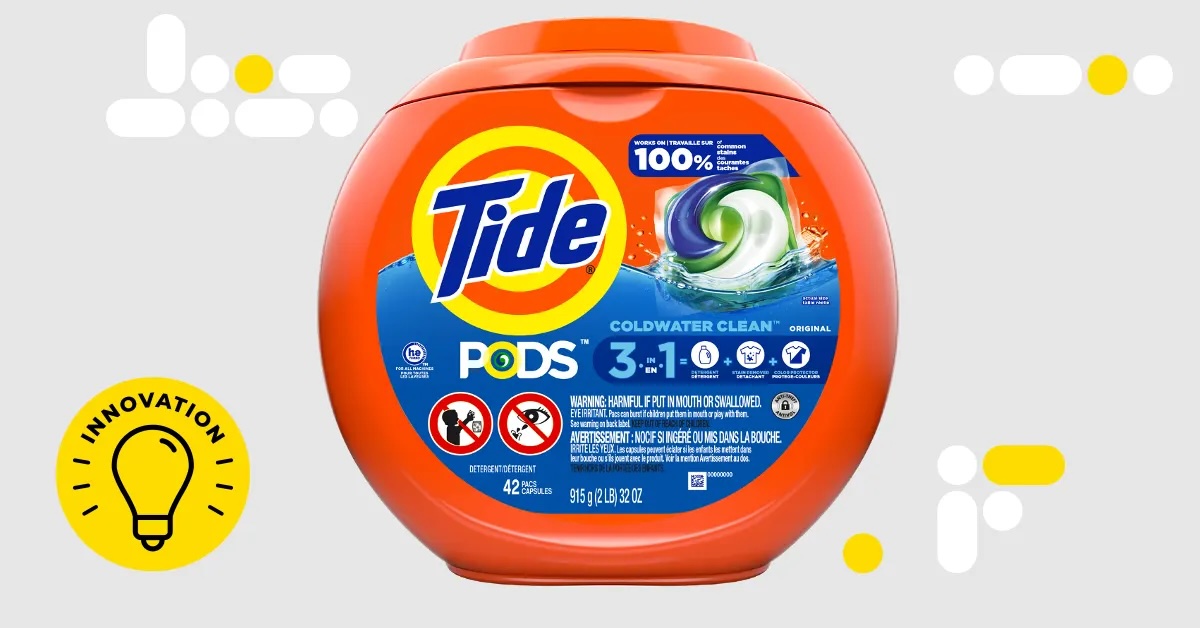
Laundry might not scream “Earth Month,” but Tide found a way to significantly cut carbon emissions by changing consumer behavior. Many people intend to save energy, yet habits like washing clothes in hot water persist. Tide’s insight was that heating water accounts for the majority of energy in a laundry load – so getting millions of people to switch to cold wash is a high-impact action. In 2021, Tide set a bold goal for three out of four washes to be in cold water by 2030. To close the gap between consumers’ stated willingness to be eco-friendly and their actual laundry habits, Tide launched a multi-faceted campaign using behavioral nudges:
They worked with appliance manufacturers to make the cold cycle more prominent or default on washing machines (reducing the effort to choose cold) Messaging focused on personal benefits, “save up to $150/year on your energy bill by switching to cold,” making the action financially attractive.
Tide leveraged social proof by partnering with the NFL and even enlisting celebrities in cheeky ads, showing that if cold water can clean a football team’s dirty uniforms, it’s certainly good enough for the average consumer.
The campaign launched around Earth Day and ran for months via the “Turn to Cold” challenge, keeping the conversation going even after April ended.The results have been impressive. In North America, cold-water washing increased from 48% of laundry loads in 2020 to 57% by 2023, according to Tide, an enormous wave in a short time. That change is estimated to have already avoided nearly 4 million metric tons of GHG emissions from energy savings.
Tide’s case demonstrates how a company can bridge the intention-action gap by making the sustainable choice easy, desirable, and socially supported. Millions of consumers had intended to be more energy-efficient; Tide gave them the nudge and assurance to act on that intention.
Make a creative impact.
See what making a creative impact looks like with some award-winning case studies from the Grounded team.
How to Close the Intention-Action Gap
Closing the intention-action gap isn’t about making louder Earth Month pledges (or greenhushing neither), it’s about embedding sustainability into your brand’s DNA, day in and day out. The real work begins after the social posts and eco-campaigns wind down. To create lasting impact, businesses must clearly identify the specific gap they’re seeking to close. From there, meaningful progress comes by integrating sustainability strategy: aligning incentives, removing friction, tracking real impact, and designing for long-term behavioral change.
This is where tools like grounded's for closing the intention-action gap can help provide structure, insights, and strategy for brands that want to move from good intentions to measurable outcomes. Because the brands that will lead in this next era aren’t just the ones who show up during Earth Month, they’re the ones who make everyday Earth Day.
Intention-Action Gap Analysis: Additional Questions To Consider
What is the intention action gap and intention behavior gap in sustainable practices?
The intention action gap (or intention behavior gap) is the observable disconnect between our intentions and the behavior we actually display. In sustainable practices, we see that even when individuals and brands express strong intentions, human behavior does not always align with planned behavior. Researchers in environmental psychology and behavioral medicine repeatedly assess the intention behavior gap to explain how intentions sometimes fail to transition into desired behavior.
Examining the intention-action gap further, we note that studies such as an initial randomized controlled trial have delved deeply into why intention behavior often does not align with behavior. In these studies, the intention behavior relationship is explicitly measured to evaluate the degree to which intentions lead to pro environmental behavior. When considering sustainable food consumption, sustainable energy, and environmental sustainability overall, the intention behavior relationship is repeatedly cited as a necessary element for effective behavior change. Moreover, by emphasizing the intention behavior relationship in each experimental design, experts are able to illustrate how intention behavior, when influenced by factors such as perceived behavioral control.
Lastly, the intention behavior relationship is understood to be a complex interplay influenced by numerous variables—such as negative feelings. In contexts ranging from promoting sustainable eating (a healthy diet and healthy eating) to encouraging physical activity, the intention behavior relationship is one of the most important frameworks to predict whether intentions ultimately yield desired behavior. In summary, a firm grasp of the intention behavior relationship, including every nuance of intention behavior, is essential for creating actionable plans in sustainable consumption.
How does the behavior gap impact sustainable food consumption and environmental behaviors?
The behaviour gap refers to the disconnect between what people intend to do—boosted by intentions—and what they subsequently act upon. In the context of sustainable food consumption and environmental behaviors, this gap is deeply intertwined with the knowledge attitudes practice gap and the attitude behavior gap.
Human behavior often strays from the intended behavior because external factors, such as immediate gratification and perceived control issues, disrupt this intention behavior relationship. Studies in environmental psychology and behavioral medicine have evaluated how the intention behavior relationship impacts sustainable consumption decisions—even when consumers are motivated by an attitude.
Lastly, the behavior gap highlights the importance of rethinking how we encourage sustainable consumption habits. A recurring theme in research—often published in international journals—involves examining the intention behavior relationship to understand the role of external factors. Whether it’s determining if communities embed chlorine treated water in local community water source purification behavior or if consumers decide to buy sustainable dairy products, the intention behavior relationship is key in predicting when intention behavior will or will not ultimately act. Addressing the behaviour gap requires an interdisciplinary approach, with an in-depth study of the intention behavior relationship.
In what ways do external factors and planned behavior contribute to the value action gap?
External factors, such as market conditions, social norms, and even subjective norms, critically influence planned behavior and widen the value action gap. When people’s intentions fail to translate into action, the intention behavior relationship is affected—not just by individual choice, but by factors that disrupt perceived behavioral control. For instance, consumers may express intention behavior to adopt sustainable food consumption practices which have been proven by empirical evidence to aid losing weight; however, habit inertia or negative feelings related to immediate gratification can obstruct the intended behavior. This dynamic relationship, often reviewed under frameworks like reasoned action and action control, highlights that external factors play a substantial role in the intention behavior relationship.
Planned behavior, when meticulously measured, often relies on the intention behavior relationship to analyze how external factors influence behavior. Researchers utilize controlled groups and take up experiments that assess whether intention behavior really results in subsequent behavior. In these instances, external factors and anticipated regret are evaluated alongside variables, ensuring that intention behavior translates into long term benefits. Consistent with international development studies and sociological reviews, the intention behavior relationship is key to explaining why planned behavior sometimes fails to produce pro environmental behavior.
By systematically investigating these factors using tools established in behavioral science and behavioral medicine, experts are better equipped to guide future research. The deep dive into the intention behavior relationship provides invaluable insight into how intention behavior might subsequently act if external factors are adjusted. Thus, refining our understanding of these variables is essential for narrowing the existing value action gap.
How can behavioral science help close the intention behavior gap and drive effective behavior change?
Behavioral science offers robust methodologies to examine and ultimately bridge the intention behavior gap. Studies in behavioral psychology and health psychology consistently focus on the intention behavior relationship to diagnose why positive intentions do not always lead to the desired behavior. By analyzing human behavior through an environmental psychology lens, experts emphasize that increasing perceived control and addressing factors—such as immediate gratification and negative feelings—can strengthen the intention behavior relationship and encourage intention behavior that results in sustainable consumption.
Specifically, interventions in behavioral science—ranging from an initial randomized controlled trial to longitudinal studies—demonstrate that behavior led design and commitment devices can aid in aligning intention behavior with pro environmental behavior. Each successful strategy is measured against subsequent behavior and energy efficiency metrics, underscoring that intention behavior must be continuously refined to ensure long term benefits. Incorporating agricultural and environmental ethics into these strategies further strengthens the intention behavior relationship, making the desired behaviour more attainable.
Beyond these applications, behavioral science also addresses the intention behavior relationship by focusing on subjective norms and self efficacy. Behavioral scientist Michael Kremer, among others, has repeatedly shown that by changing the intention behavior relationship, we can reduce the attitude behavior gap and knowledge attitudes practice gap. Ultimately, transforming intention behavior into measurable outcomes, whether it's preparing meals to eat healthier or by enabling communities to embed chlorine in new purification behavior, planned behavior transforms into successful pro environmental behavior. The iterative process of future research continues to solidify our understanding of the intention behavior relationship, encouraging intention behavior that leads to effective behavior change.
How does grounded support brands in addressing the intention action gap and value action gap?
At grounded, we leverage our deep expertise in sustainable consumption and business ethics to help brands close the intention action gap. By embedding principles from behavioral science, we create tailored strategies that reinforce closing the intention-action gap across all brand touch points.
Our frameworks also emphasizes the importance of continuous measurement and feedback. Using insights from international journal publications and controlled experiments—we constantly evaluate the intention behavior relationship to optimize each step of the customer journey. By reinforcing the intention behavior relationship with strategies such as behavior led design or commitment devices, we help brands transform intentions into actual behavior. This process not only improves energy efficiency and pro environmental behavior but it also bridges the gap between intention behavior and subsequent behavior, ensuring that every step of the intention behavior relationship is accounted for.
Close your intention–action gap.
If your investments in sustainability and social impact aren't translating into sales, growth or internal buy-in, we can help you identify the gap.
We consider the full spectrum of influences—from negative feelings and anticipated regret to subjective norms and social psychology. This comprehensive approach ensures that brands continue to promote a positive attitude and intention behavior that drives sustainable consumption. With our expertise in the intention-action gap, grounded is uniquely positioned to help brands move beyond seasonal green campaigns and towards lasting, measurable change.