 Paloma Jacome
I’ve spent years researching circularity, studying sustainability strategy, and helping brands close intention–action gaps. But nothing compares to being physically inside a circular system.
During a week-long circular economy delegation across Switzerland (hosted by Circular San Antonio), I walked through reused architecture, geothermal tunnels, watched robots sort demolition debris, and sat with entrepreneurs building closed-looped brands from the ground up.
And somewhere between an underground cistern and a 19th-century viaduct turned marketplace, a thought resonated:
Circularity is the design logic of the future and some countries are already living in that future.
These are my own field notes of what I saw, what inspired me, and my new knowledge of circular design from firsthand accounts.
Adaptive Reuse: Where Switzerland’s Circular Story Begins
One of the most striking patterns across Switzerland is how natural (even ordinary) reuse feels. Functional yet adaptive reuse that defines the architecture, the logic, and the culture of Switzerland's diverse cities. It is a design philosophy, a cultural norm, and a competitive edge…and it’s also the first principle of any circular city.
Below are the circular structures that shifted my understanding most.
Freitag Tower — Circular Architecture as Brand Philosophy
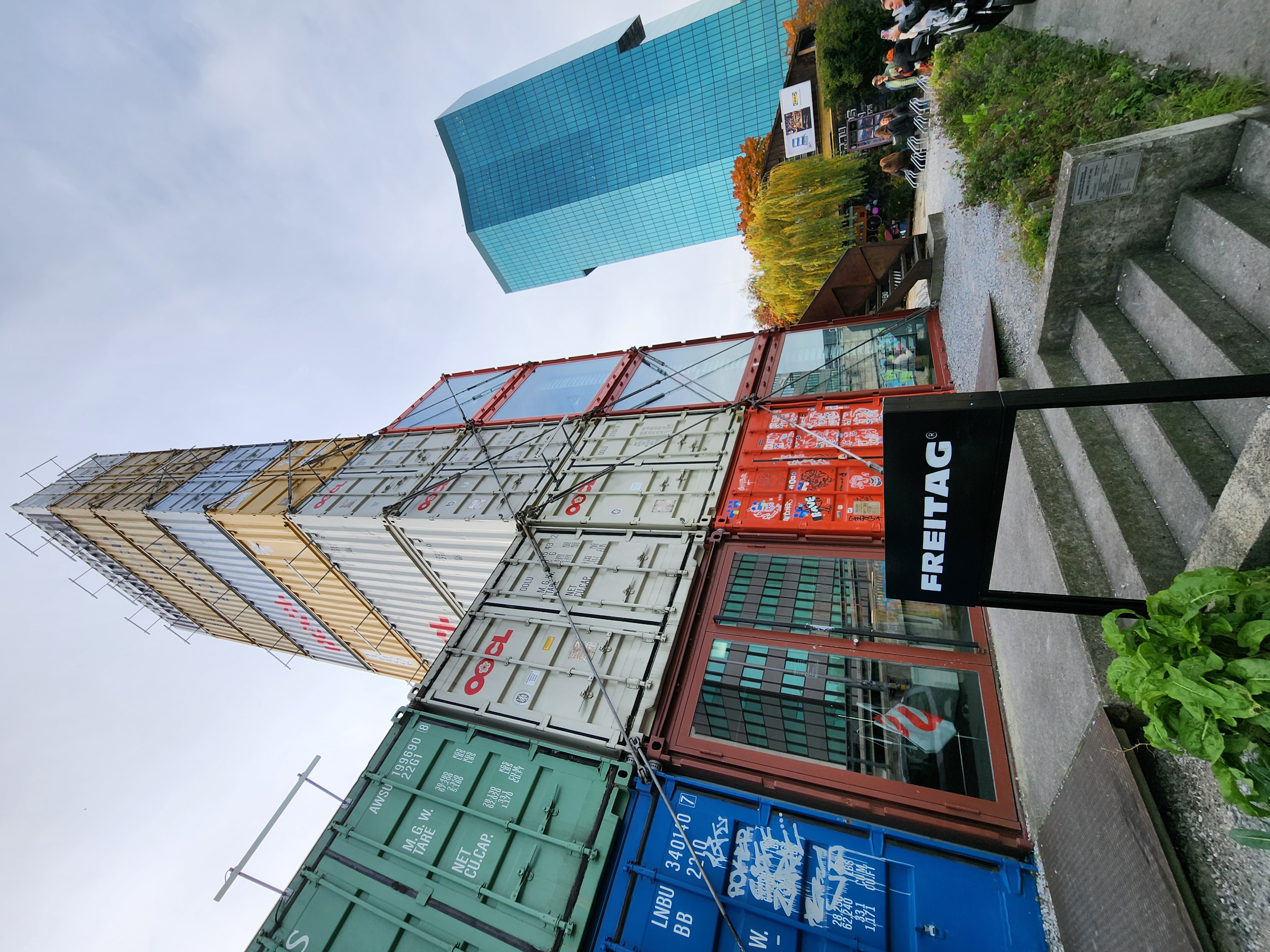
Built in 2006 from stacked, reclaimed shipping containers, the Freitag Tower rises several stories high… unapologetically raw, industrial, and upcycled. There is no attempt to disguise its origins. As an upcycled bags and accessory brand, Freitag’s flagship store is strategic:
- Fixtures and shelving are made of reclaimed materials.
- Bags tell the unique story of the truck tarp they once were.
- A rooftop viewing deck sits atop the final container.
Viadukt — A City’s Past Reimagined Into Its Future
Walking through the Viadukt felt like being inside a case study of circular urbanism.
A 19th-century railway viaduct (still carrying trains overhead) has been transformed into:
- artisan shops
- cafés & bakeries
- design studios
- a covered promenade
- cycling routes
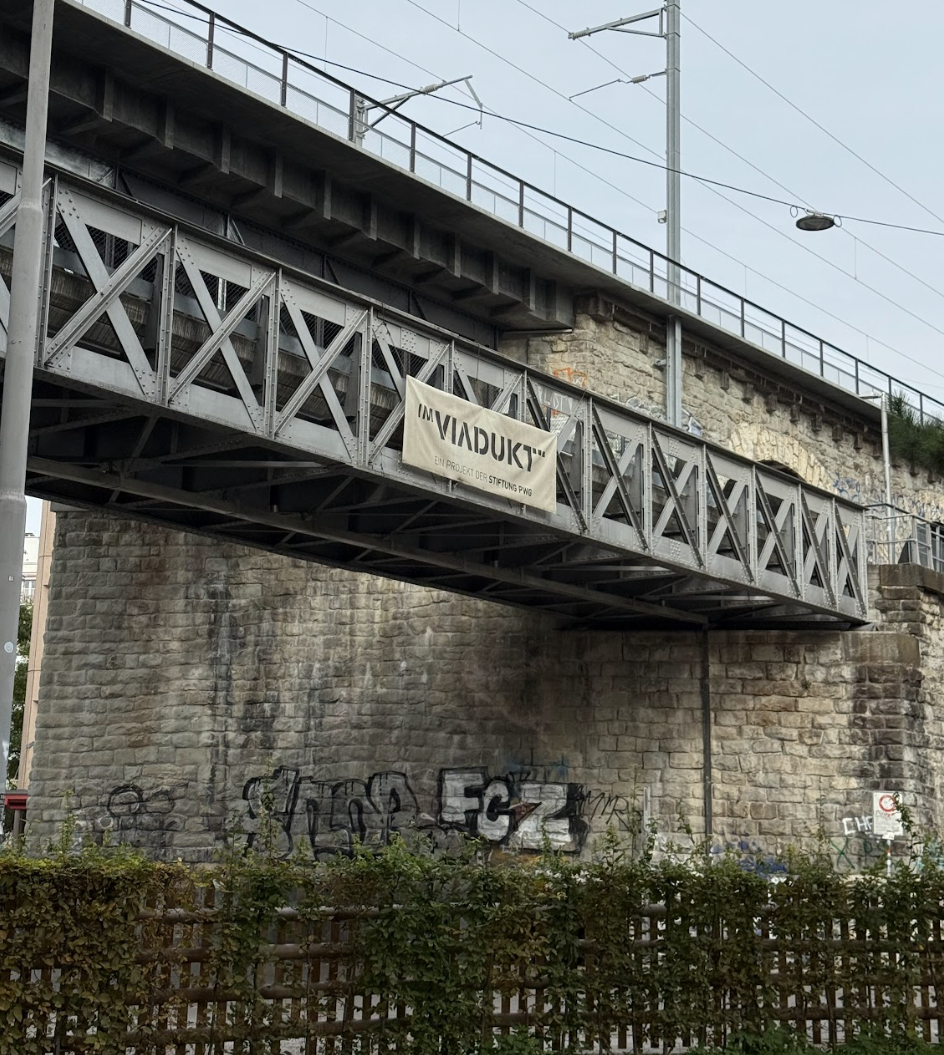
The city didn’t demolish the structure. It didn’t memorialize it either. It repurposed it: preserving its embodied carbon, history, and character while giving it new economic and cultural life.
This is one of the clearest lessons of circular cities:
Circularity doesn’t erase history, it builds on top of it.
K118 — “Form Follows Availability”
If there is a single building that redefined my understanding of circular architecture, it is K118 in Winterthur. This building achieved a 58.6% reduction in emissions compared to a conventional build without increasing cost.
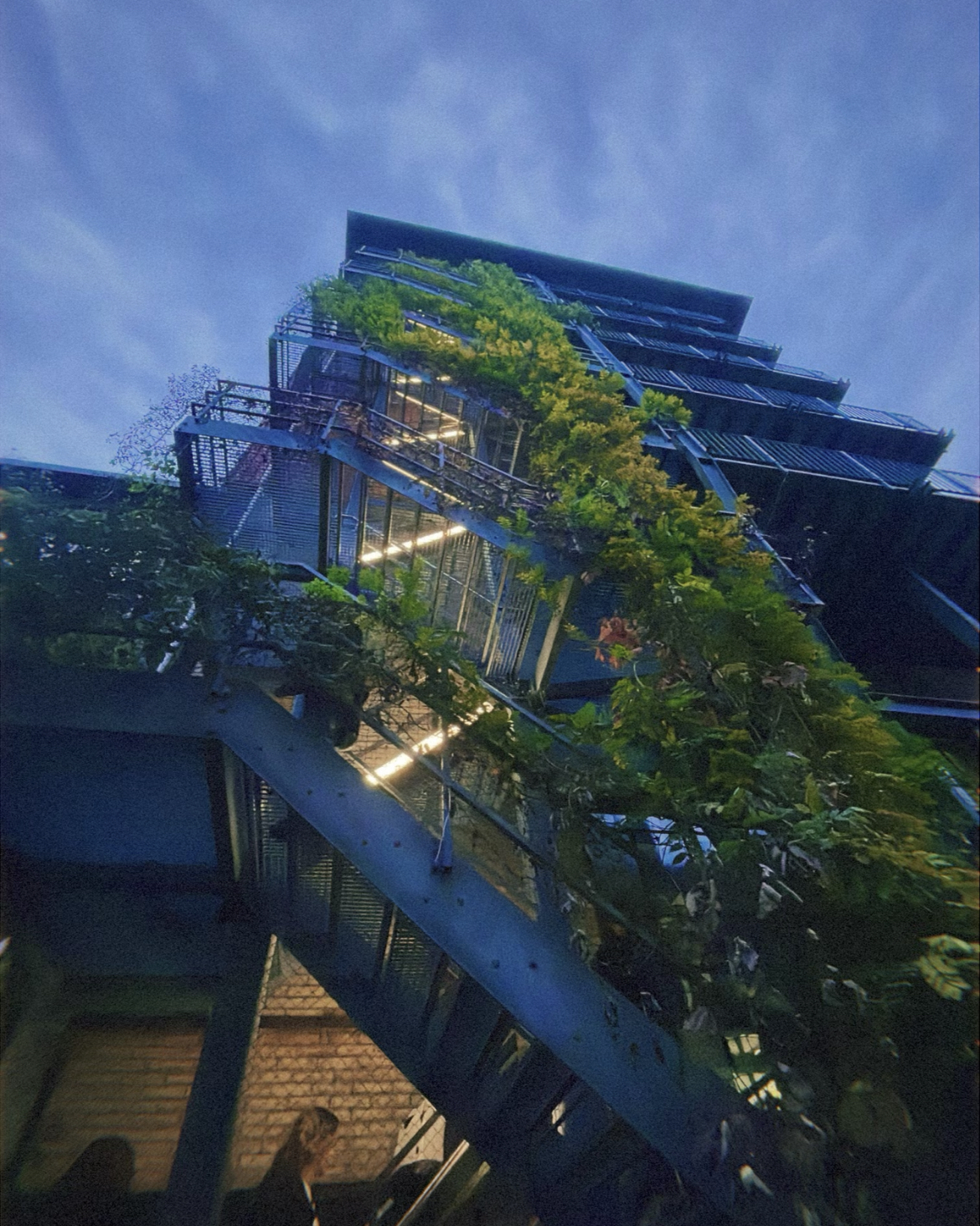
At K118:
- Structural steel is reclaimed from demolition sites
- Façade elements come from deconstructed office buildings
- Windows were rescued from nearby renovations
- Solar panels were reused rather than purchased new
- On drawings, reused materials are coded in magenta: a visual distinction created for circularity
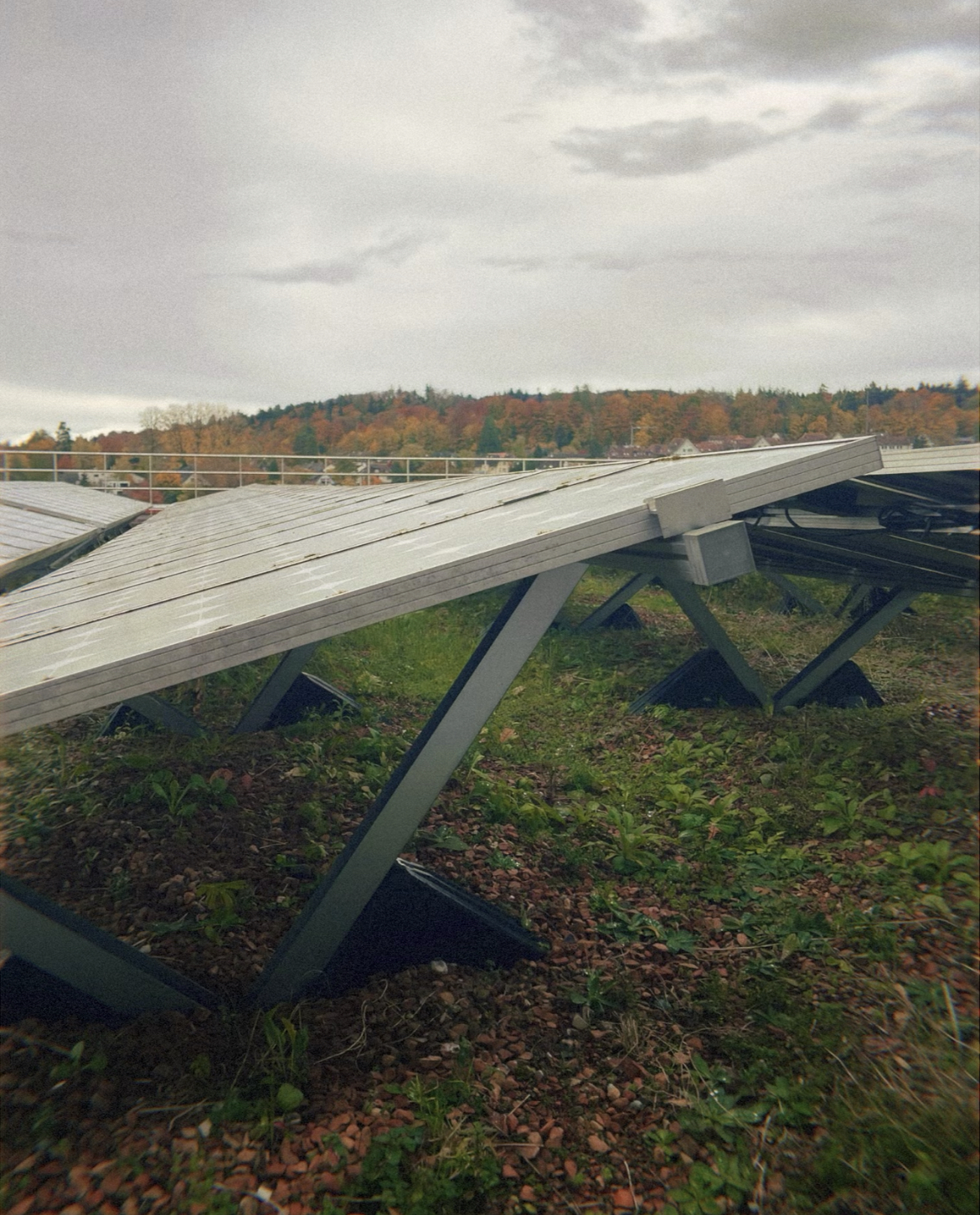
The roof is intentionally “messy”: recycled concrete rubble layered to create microtopography where weeds, mosses, and pollinators establish themselves naturally. It is both ecological function and design choice.
ETH Zürich — Mapping Cities as Material Banks
At ETH’s CEA Lab and the SWIRCULAR project, I saw the future of materials intelligence:
- LiDAR scans mapping reusable materials in existing buildings
- AI models predicting structural viability of reclaimed components
- AR overlays showing how demolition rubble could be recomposed into new walls
- Digital passports tracking material origin, life cycle, and next use

Only 1% of Swiss construction is circular today (which is actually surprising). ETH believes digital infrastructure can scale that tenfold.
Their work reframed buildings in my mind:
Buildings are no longer structures. They are temporary assemblies of materials awaiting their next life cycle. Death to demolition.
Community Housing: Circularity as a Social System
Circularity is not just structural, it is also social. And nowhere is this clearer than Switzerland’s cooperative housing models.
Zollhaus — Community is Core to Circular Infrastructure
Zollhaus is a living example of how design, policy, and culture intersect to create circular lifestyles. A shared living cooperative which spans from residential housing, childcare, food establishments to entire offices and communal spaces.
Key elements I witnessed:
- A mandated 60% housing / 40% commercial mix
- Cooperative governance: residents collectively shape rules and operations
- Shared kitchens & workshops replacing duplicated private resources
- Flexible modular units that shift with family needs
- The deliberate exclusion of balconies (reducing materials & encouraging communal outdoor space)
- Ground-floor commercial space reserved for local entrepreneurs & social enterprises
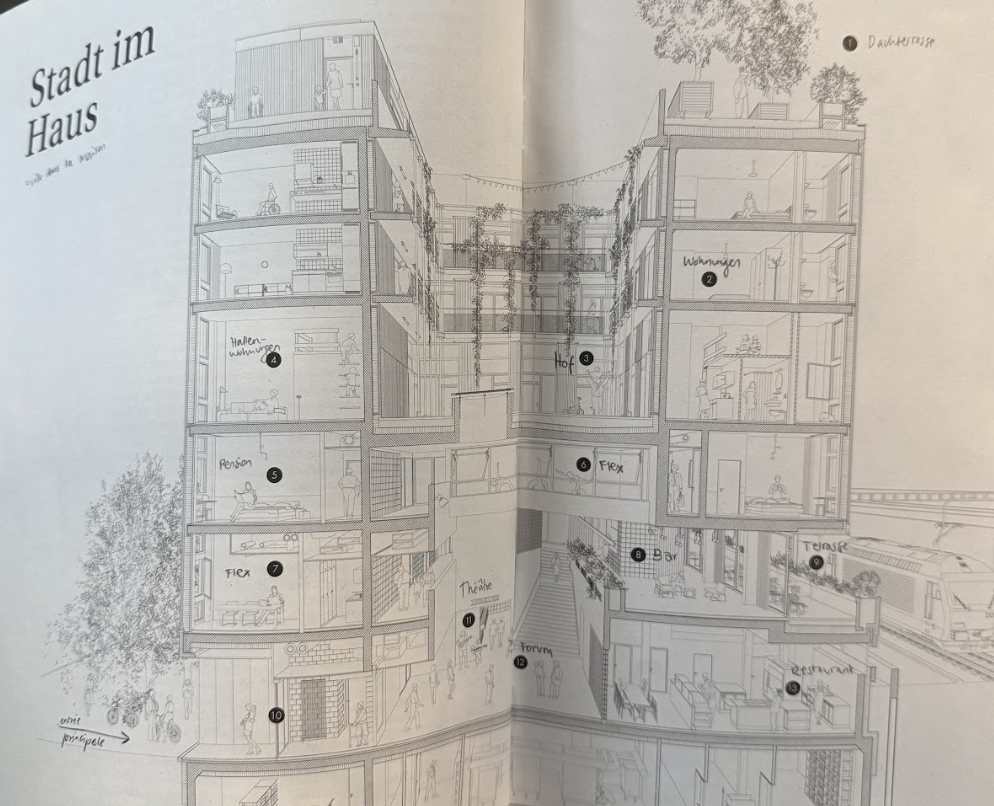
More than 100 architectural firms applied to design Zollhaus, a signal of how culturally important cooperative housing is here.
Zollhaus exemplifies how circular living can be effortless and even more convenient through community and the principle of access > ownership.
Urban Design Innovation: The Invisible Engines of Circular Cities
Underground and in experimentation is where circularity lives.
Zoo Zürich — Circular Infrastructure at Ecosystem Scale
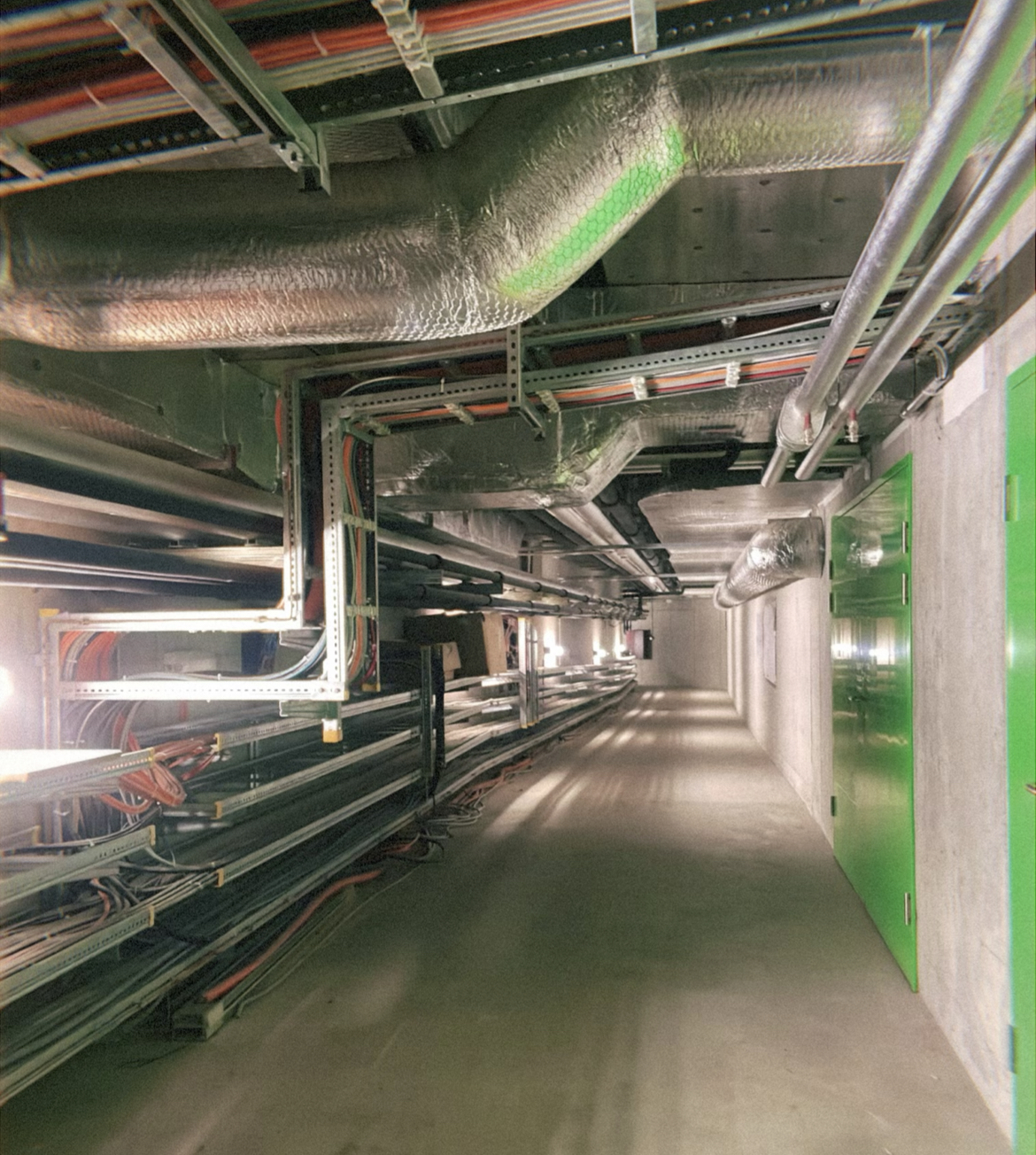
We were invited into the restricted engineering corridors beneath Zoo Zürich to experience the emulated ecosystems from around the world, all mimicked as regeneratively as possible.
Here’s what I walked through:
Water Systems
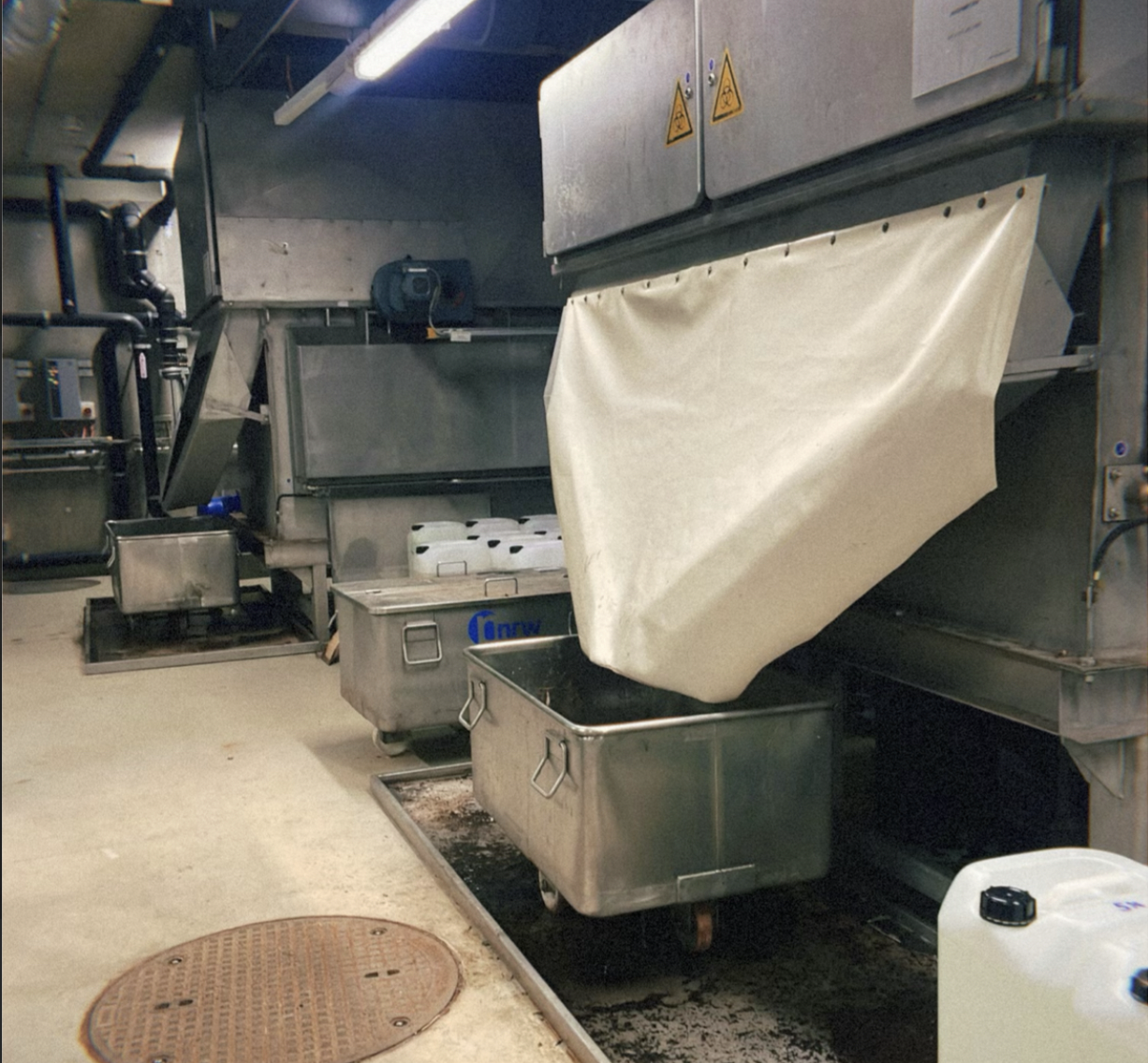
- 70–95% of water is reclaimed and reprocessed through massive underground cisterns, and rainfall is also repurposed to simulate diverse climate ecosystems for enclosures such as rainforests.
- Solid waste is separated and reused where possible.
Energy Systems
- A geothermal system heats and cools enclosures, saving ~80,000 CHF annually.
Architectural Systems
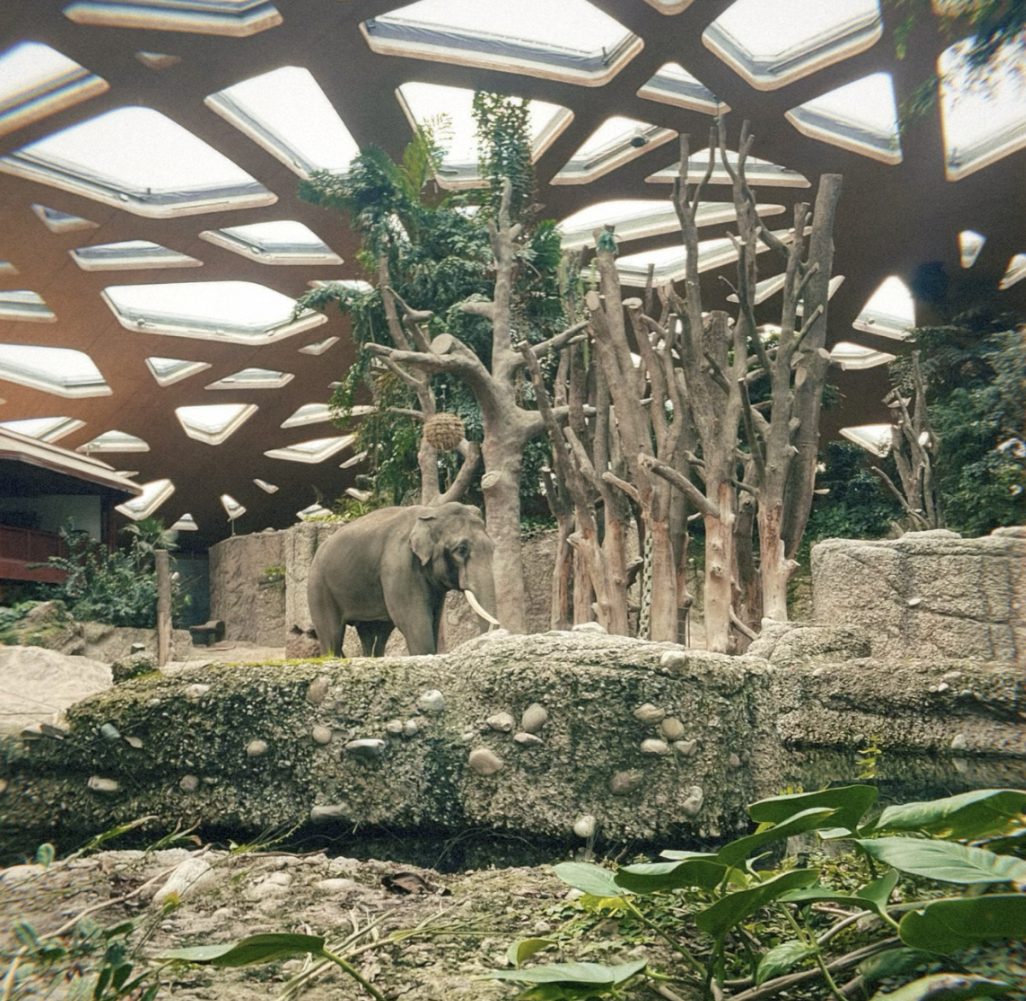
- Elephant enclosure roof designed with pressurized foil “air pillows”, lightweight, insulated, minimal material footprint
Behavioral Systems
- A more plant-based menu design intentionally shifts consumption:
- As Switzerland’s largest ice cream seller, the zoo pushed Nestlé to eliminate palm oil in specific product lines.
Basel — The Power of Localized Policy
Basel is one of the only cities where net zero is not aspirational but it is constitutional with their ambitious goal of being net zero by 2037.
Key components:
- Massive district heating expansion
- CO₂ capture system sending liquefied emissions to Norway for geological storage
- 2M CHF/year circular innovation fund
- Every building assigned a carbon budget + financial budget
- Design competitions requiring circular approaches
Francke Areal — The Invisible Circular Infrastructure of Material Storage
One of the most important insights I gained at Francke Areal is that circularity depends on storage…a reality rarely discussed but crucial.
Behind the scenes, rooms and warehouses are filled with:
- old doors
- steel beams
- façade components
- scrap metal
- paneling
- bricks
- timber
- industrial fixtures
- mechanical systems
- concrete blocks
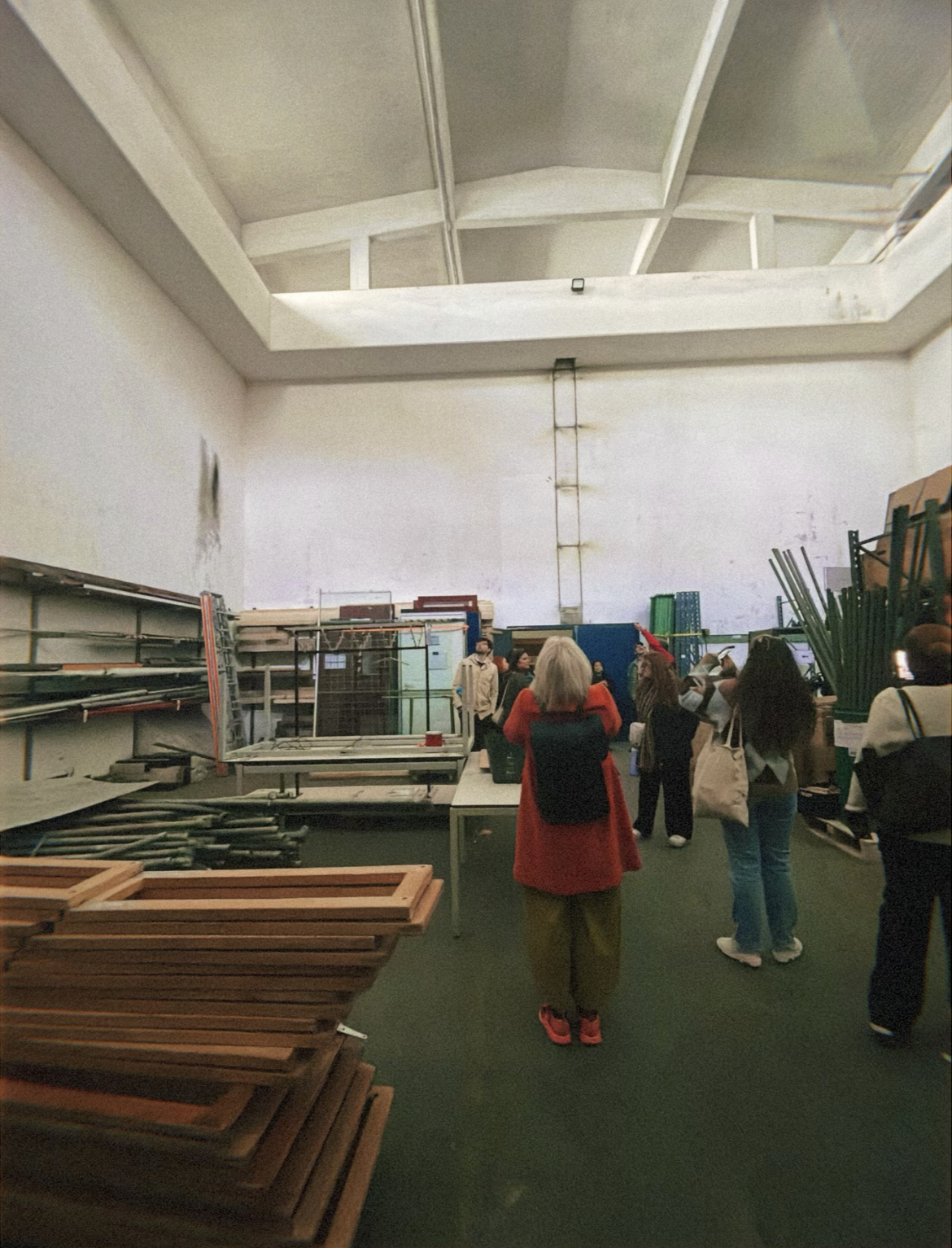
All neatly cataloged and awaiting their next life.
This is where circularity becomes logistical rather than conceptual.
And here’s the truth I wrote down immediately:
A circular economy cannot function without places to hold materials between lives. Storage is the missing layer most cities overlook.
Francke Areal understands this. They treat storage as part of the design itself, a material bank embedded directly into the district.
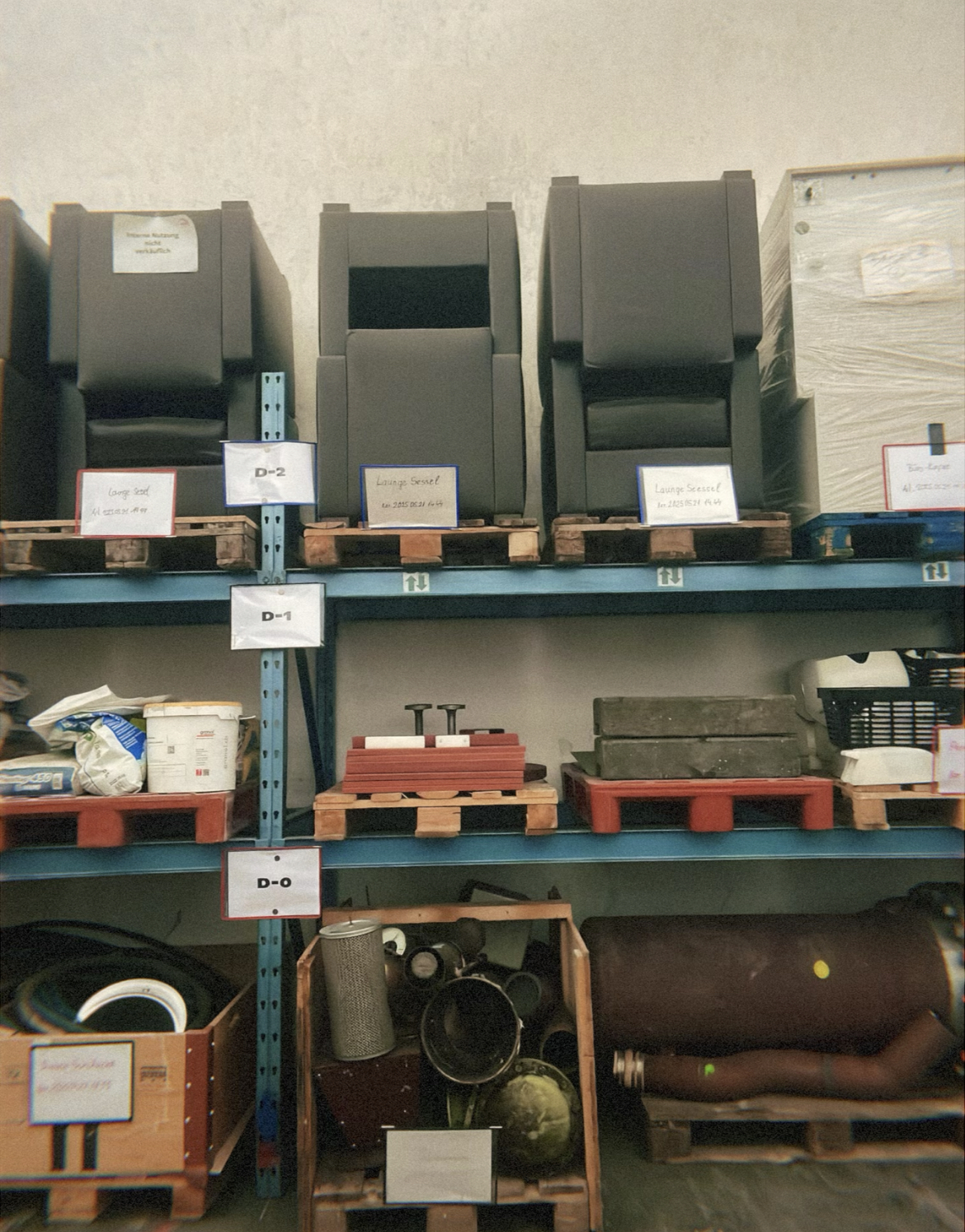
At Francke Areal, circular design manifests as:
- Reused façades crafted from demolition materials
- Metal gates forged from industrial scrap
- Wastewater treated through natural wetland systems
- Urine diverted for fertilizer production
Velotunnels — Circular Mobility Infrastructure
Circularity extends beyond buildings…it shapes how people move.
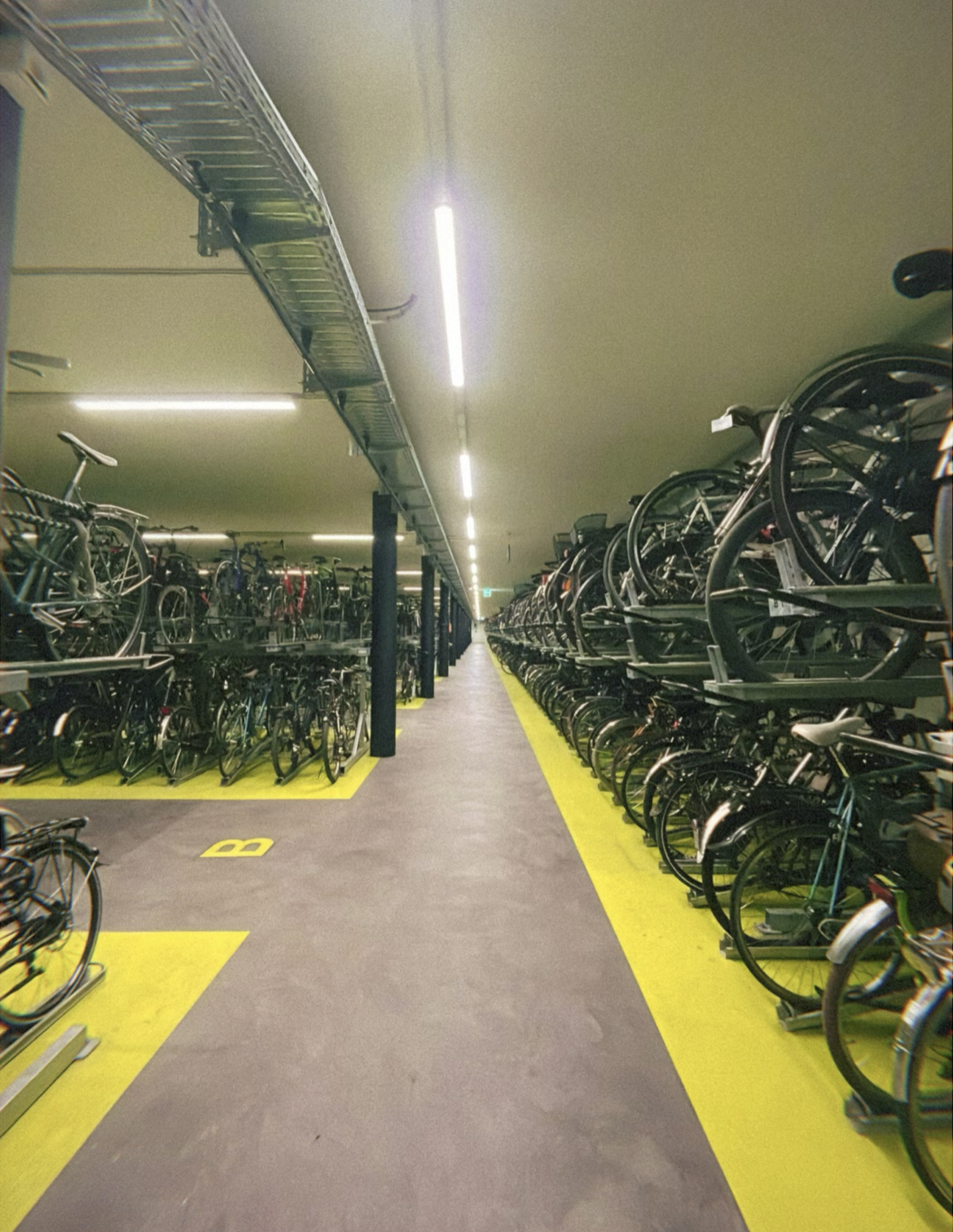
Zurich’s Velostations and Velotunnels function as underground, closed-loop mobility hubs with:
- 1,600+ secure bike spaces
- hydraulic racks
- e-bike charging
- monitored access for 2 CHF/day
- 48-hour parking windows to keep circulation flowing
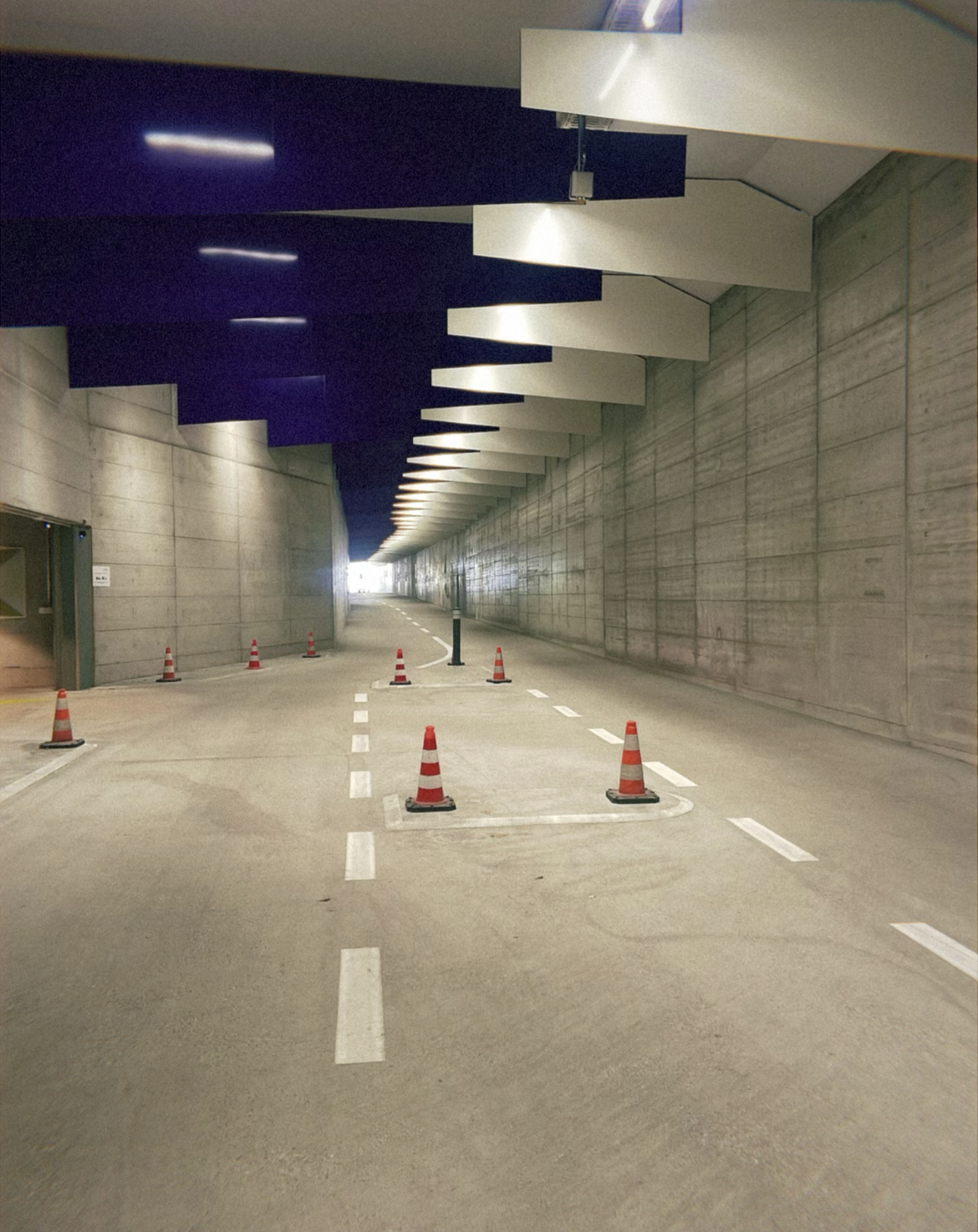
The Velotunnel repurposes a once car-oriented structure. Its oversized clearance—originally designed for potential truck use—now accommodates cargo bikes and high-capacity bike storage.
This is circular mobility: infrastructure cycling people instead of cars through the city.
- Seamless bike → train → city intermodality
- Lower material intensity (fewer duplicate bike garages)
- Shared, secure access over ownership
Switzerland's Flywheel of Impact
Walking through Switzerland’s circular systems, I kept noticing a pattern that mirrors something we use at Grounded to understand how impact actually scales. Not a framework or a model, but a simple observation: systems accelerate when mission, resources, and lived experience move in alignment — what we often refer to as a flywheel of impact in our work. (It’s the same systems logic we apply in our work with partners, which you can explore here.)
In Switzerland, no single actor drives circularity. Architecture, policy, community governance, mobility, education, and culture all reinforce one another. Each intervention strengthens the next—much like a flywheel gaining momentum.
At grounded, we describe this interplay through three forces:
- The mission — the shared purpose guiding a city, brand, or community.
- The money — the resources, incentives, and intention–action gaps that shape what becomes possible.
- The magic — the lived experience people want: convenience, dignity, connection, simplicity, belonging.
Circularity works in Switzerland because these elements are not competing—they are co-evolving. Policy creates room for innovation; innovation creates new behaviors; behavior shifts reinforce the mission. It’s a feedback loop, not a linear plan.
In our work—whether facilitating cross-sector partnerships, shaping sustainable value propositions, or supporting impact reporting—we see the same principle. When the mission, the means, and the human experience align, collaboration becomes easier, community engagement becomes meaningful, and the work gains durability.
Make a creative impact.
See what making a creative impact looks like with some award-winning case studies from the Grounded team.
This is the real power of a flywheel in motion: when mission, resources, and human experience reinforce each other, impact compounds. Cities become more livable, brands more accountable, and communities more resilient. The opportunity now is to design collaborations that unlock that same self-sustaining momentum. Because once the wheel turns, transformation doesn’t just happen. It accelerates.
Scale revenue & impact.
Report on progress, tell your story, and scale your revenue and impact through social impact campaigns, CSR and strategic partnerships.
Author:
Paloma Jacome
Paloma Jacome is content lead and Junior Strategist at Grounded. With over 8 years of experience at the intersection of business and sustainability, she has launched and led multiple ventures —including ECOAVSOLUTIONS, local sustainable audiovisual production company in Southern California— before bringing her entrepreneurial perspective to client work at Grounded. She holds a Bachelor’s in Entrepreneurship and a Master of Science in Entrepreneurship and Sustainable Innovation from Loyola Marymount University.
Paloma is also an active ambassador and city coordinator for the Los Angeles chapter of Top Tier Impact, organizing events that connect impact founders, investors, and sustainability professionals to collaborate on solving the most pressing challenges of our time.
As part of Grounded’s partnership with rePurpose Global, Paloma represented the agency in the Plastic Reality Project in India, an immersive program designed to experience the scale of plastic pollution firsthand and explore circular solutions addressing the crisis at its source. She is also recently certified in sustainability legislation and regulations for the fashion industry by the Sustainable Fashion School, strengthening her expertise in policy-driven transformation.
Paloma was a core co-author of Grounded’s debut white paper Policy to Profit: How New Rules Can Create Commercial Wins for Fashion—featured in Forbes—and continues to explore how circularity and regulation unlock commercial and societal value.
LinkedIn | paloma@grounded.world