 Paloma Jacome
You’ll never realize how much plastic you consume until you take the challenge to participate in Plastic-Free July. As we reach the midpoint of the year, it's an excellent time to reflect on our personal sustainability goals and prepare for a lower waste lifestyle in 2025 that closes our own intention-action gaps. Just like Dry January or Sober October, Plastic-Free July is a period dedicated to making significant lifestyle changes. However, unlike these other challenges, the focus here is on reducing our greater plastic footprint—a critical issue given the current state of global plastic pollution across oceans all over the world.
Plastic-Free July is an annual challenge that encourages people to reduce their single-use plastic waste, highlighting the excessive amount of single-use plastic we unknowingly consume daily and irresponsibly discard. This initiative is not just a month-long effort but a step towards a lifelong commitment to circularity. Participating in Plastic-Free July involves making conscious choices (or what often feels like annoying requests) on a daily basis to eliminate single-use plastic in all areas of life, whether at home, at work, or while traveling.
It’s no secret that plastic pollution is a significant threat to our oceans and marine life. Several brands and organizations are leading the way in reducing single-use plastic waste and promoting recycling and reuse. These efforts–innovations, activations, and initiatives– are essential to keep our oceans clean and preserve marine ecosystems.
Top 5 Brands Helping Keep Our Oceans Plastic-Free
Grove Collaborative
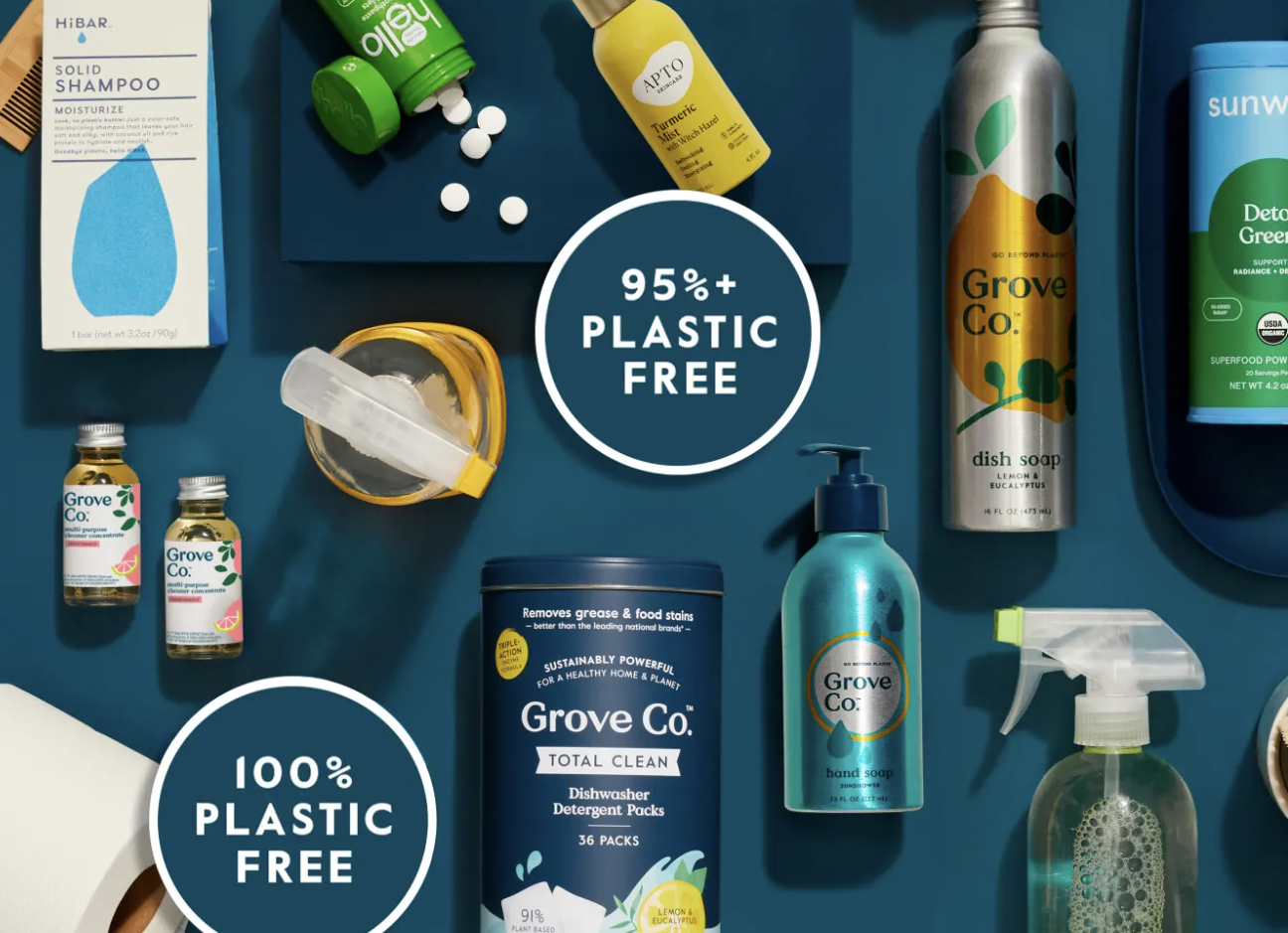
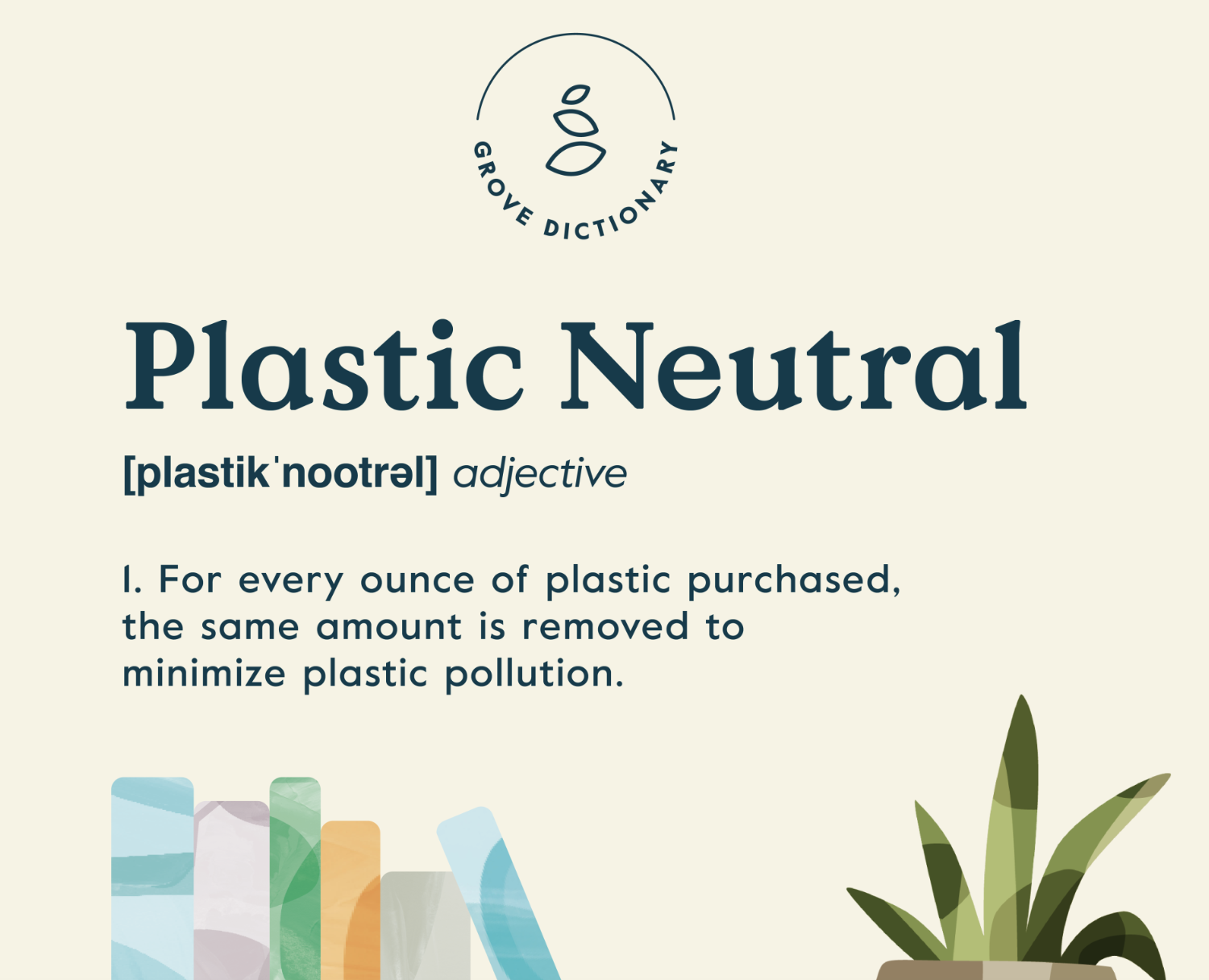
Grove Collaborative, the world’s first plastic neutral retailer, has long been vocal about its goal to be 100% plastic-free by 2025. Despite the challenges in achieving this goal, Grove remains dedicated to reducing plastic waste and promoting sustainability through its innovative initiatives and product offerings.Through innovative tools like the Beyond Plastic Impact Tracker, partnerships with organizations like rePurpose Global, and a wide range of plastic-reduced products, Grove is making significant contributions to keeping our oceans clean and plastic-free. By supporting brands like Grove, we can all take part in the journey towards a more sustainable and plastic-free world.
- Plastic Reduction Efforts: Grove has made significant strides in reducing plastic use and collecting ocean-bound plastic through its recovery partners. The company has also been pushing the personal care industry to become more sustainable through its 130-member Plastic Working Group. Although the goal of becoming completely plastic-free by 2025 is not within reach, Grove has set a new target to avoid 15 million pounds of single-use plastic from entering the environment by 2030.
- Beyond Plastic Impact Tracker: One of Grove’s key innovations is the Beyond Plastic Impact Tracker, a tool that discloses the amount of plastic avoided and recovered in each order. This tool engages customers directly in the fight against single-use plastic waste by showing the impact of their purchases. Since 2020, Grove has already avoided 7.8 million pounds of plastic and aims to increase this number significantly in the coming years.
- Beyond Plastic Badge: Grove Collaborative offers a wide range of sustainable home products, from soap concentrates to shampoo bars and reusable sandwich bags. The company has made it easier for customers to choose reduced-plastic alternatives through its Beyond Plastic digital badging system.
- Plastic Neutrality with rePurpose: In partnership with rePurpose Global, Grove removes the same weight of ocean-bound plastic from nature for each ounce of plastic sold to customers. This initiative has led to the recovery of over 16 million pounds of plastic since 2020, highlighting Grove’s commitment to offsetting its plastic use and contributing to cleaner oceans.
Plastic-Free On Purpose
A Grounded Conversation with Danielle Jezienicki
Beyond Grove Collaborative's ambitious goals, the company has been a pioneer in the field of sustainability, striving to create a significant impact on plastic waste reduction. To gain deeper insights into these efforts, I had the privilege to interview Danielle Jezienicki, former Head of Sustainability at Grove Collaborative:
Paloma: Having been a fan of Grove Collaborative for a while now I feel especially privileged to have the chance to interview you, Danielle. From your time at Grove, you played a major part in achieving their plastic neutrality, can you share your experience building the sustainability strategy there?
Danielle: When I joined Grove, leadership wanted to focus solely on being plastic neutral. I felt that simply offsetting plastic wasn’t enough in that it acknowledged a negative impact, but didn’t invest in long-term solutions. As a company that considered itself a sustainability leader, Grove needed to set a higher bar. As the first head of sustainability at Grove, it was really exciting to hit the ground running and build a comprehensive sustainability strategy that spanned all the material impact areas of plastic, deforestation and climate.
Paloma: I’m sure it was a major challenge striving for 95% plastic-free products. Can you share more about plastic neutrality as a strategy?
Danielle: Plastic neutrality is a great starting point because it helps you understand your impact. It's especially useful for companies in the food and beverage industry that don't have great single-use plastic alternatives. It allows you to take immediate action, recognize and communicate your impact to customers as well. However, it's important to also think long-term about moving away from single-use plastic entirely based on what better solutions are available.
Paloma: As someone striving for plastic freedom in my own life, Grove is one of my favorite ecommerce sites because Grove makes it easier for consumers to move away from plastic with the Beyond Plastic badge. How successful has this badging system been in driving behavior change and closing the intention-action gap for customer choices toward more sustainable products
Danielle: In order to drive behavior change, brands need to make sustainable decisions a no-brainer for customers. Products need to work well and be cost-competitive (or offer a premium) before even mentioning sustainability. Grove’s Beyond Plastic badge helps customers easily find products that align with their values, knowing that the efficacy is intact. I firmly believe that sustainability shouldn't be presented to customers as a trade off. You can't ask them to prioritize sustainability over other things and sacrifice critical features - that won’t drive scalable, long-term change.
Paloma: I definitely have seen that with trying to close the intention action gap on actually purchasing more sustainably and driving that behavior change, that oftentimes sustainable products have to perform even better than their traditional counterparts, and that's where customer perception can get a little bit tricky. Part of driving consumer behavior change is sustainability storytelling as well, which Grove does an excellent job of highlighting their partnership with rePurpose Global and communicating how plastic neutrality is executed at Grove. How does Grove's partnership with rePurpose Global, the world’s first plastic credits platform, support Grove’s plastic neutrality, and what can we learn from this approach?
Danielle: Grove's was founded on the principle that we need to move away from plastic because recycling isn’t a true solution. For that reason it was important that we have a really meaningful partnership around both plastic neutrality in order to mitigate Grove’s impact, as well as a meaningful target for reduction. Grove's partnership with rePurpose Global focuses on collecting low-value plastic, which has a higher degree of additionality in that it won’t otherwise be collected because it is not recyclable or valuable. For example, waste collectors don’t typically collect multi-layer plastic wrappers because they are notoriously difficult to recycle and therefore do not generate income. However by paying for its collection, Grove makes a meaningful contribution to reducing plastic pollution by creating a new revenue stream for waste collectors. Overall, the partnership with rePurpose really allowed Grove to pivot to just focus on additionality and showcase how we’re working hard to combat plastic pollution, versus just doubling down on the broken system of recycling and continuing business as usual.
Corona
Corona has made remarkable strides in sustainability by creating bottles from sand and achieving a net-zero plastic footprint. As the first global beverage brand to reach this milestone, Corona's efforts include extensive beach cleanup campaigns and innovative packaging solutions. Their "Protect Our Beaches" initiative showcases their commitment to environmental conservation.
- Net-Zero Plastic Footprint: Corona has become the first global beverage brand to achieve a net-zero plastic footprint, meaning they recover more plastic than they produce. This milestone was achieved through a combination of reducing plastic use, recycling efforts, and beach cleanups.
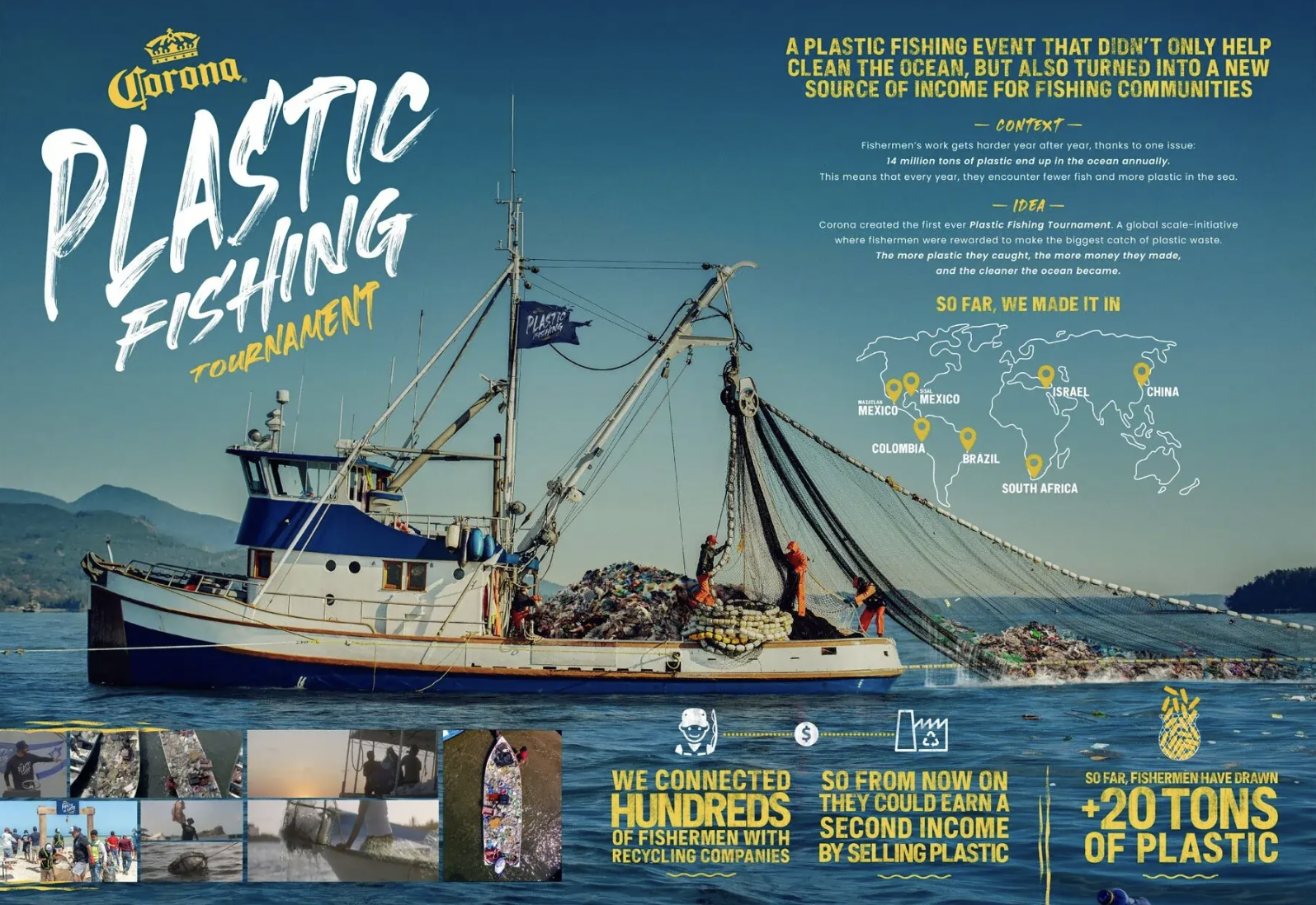
- Corona's Plastic Fishing Tournament: Corona's Plastic Fishing Tournament tackles plastic pollution in the Pacific Ocean on a global scale. At a time when there’s nearly more plastic in our oceans than fish, fishers worldwide were invited to reel in the biggest "catch" of plastic waste and sell it to recycling companies. The more plastic they caught, the more money they made, and the cleaner the ocean became. This initiative underscores Corona's commitment to practical, community-driven solutions to ocean plastic pollution, accelerating social impact through sustainability.
- Corona Crusher: With the Corona Crusher, you can watch your empty bottles turn instantly into sand which will be used to make new bottles, protecting our beaches and natural resources over the course of the program. This activation is part of Corona’s partnership with the Glass Recycling Foundation (GRF) to provide education on recycling at bars and restaurants across the country and keep glass out of landfills.
- Corona Plastic-Free Challenge: In 2021, Corona joined the 100+ Accelerator founded by Anheuser-Busch InBev (AB InBev), with their Plastic-Free Challenge, which aims to identify, fund, and pilot sustainable innovations for plastic reduction across supply chains. The challenge targets two critical areas: finding alternatives for plastic liners in bottle caps and improving palletization to remove plastic stretch film while maintaining transportation quality.
- Corona Plastic Reality: As part of rePurpose Global’s “Plastic Reality Project”, this AR experience by Corona allows individuals to calculate their annual plastic footprint through a virtual reality simulation. This digital activation aims to educate and inspire people to take real-life action against plastic pollution by showing the stark reality of our plastic consumption and its environmental consequences. Users are taken on a journey from a pristine beach to one overwhelmed by plastic waste, emphasizing the urgent need for collective action.
BIC
BIC has embarked on an inspiring plastic transformation journey, turning recycled ocean-bound plastic into new, practical products. Their partnership with TerraCycle has facilitated the creation of pens from this recycled material, underscoring BIC's commitment to sustainability and innovation. Their efforts are not only transforming waste into valuable resources but also helping to keep our beaches and oceans clean by removing ocean-bound plastic and repurposing it into everyday items.
- Recycled Ocean-Bound Plastic: BIC's new line of pens is made from 73% recycled ocean-bound plastic, demonstrating a practical approach to reusing waste materials. This reduces the amount of plastic entering oceans and helps clean up existing pollution.
- Partnership with TerraCycle: This UK collaboration focuses on creating products from recycled materials and promoting recycling programs, aiming to reduce plastic waste entering the ocean. BIC and TerraCycle have set up collection points to make it easy for consumers to recycle their used pens.
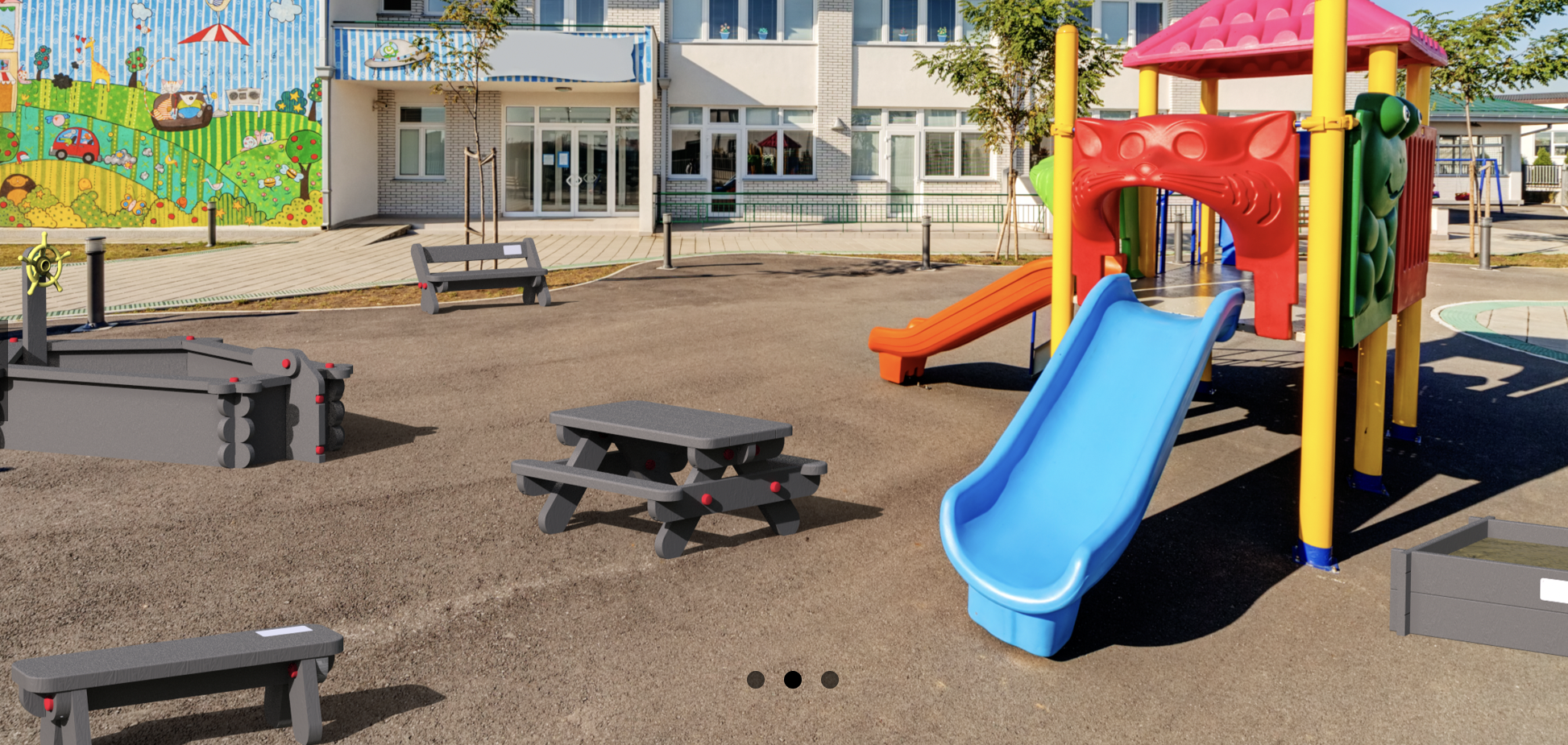
- Outdoor Furniture from Pens with Ubicuity: In partnership with Ubicuity, BIC helps launch the first range of outdoor street furniture made from recycled pens, contributing to an innovative circular economy solution. This process includes collection through TerraCycle, processing into pellets, and manufacturing into sustainable furniture by PLAS ECO, demonstrating a full-cycle approach to recycling.
Adidas
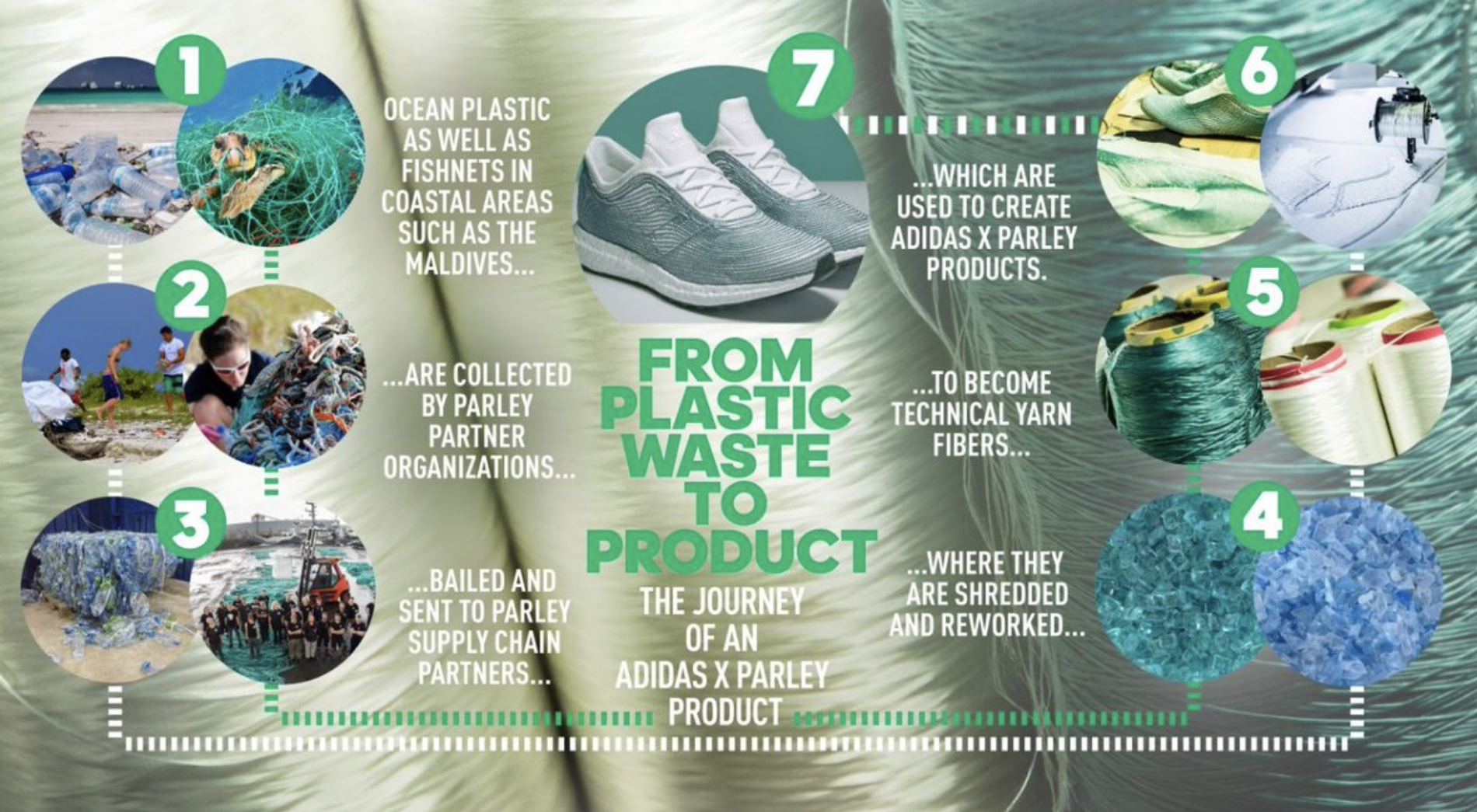
Adidas, in collaboration with Parley for the Oceans, has launched the "Run for the Oceans" campaign, where plastic bottles are collected based on the minutes run by participants worldwide. This initiative transforms collected plastic into high-performance sportswear, demonstrating Adidas's commitment to reducing plastic waste.
- Parley Collaboration: Adidas partners with Parley to create sportswear from recycled ocean plastic, turning waste into valuable products. This collaboration has resulted in the production of millions of pairs of shoes made from recycled ocean plastic.
- Run for the Oceans: This global campaign encourages people to run to raise awareness and collect plastic bottles, which are then recycled into sportswear. The 2021 campaign alone resulted in the collection of 500,000 pounds of plastic waste from beaches and coastal communities.
- Sustainable Product Lines: Adidas produces various products, including shoes and apparel, made from recycled plastic, showcasing their dedication to sustainability and innovation. They have pledged to use only recycled polyester in all their products by 2024.
Patagonia
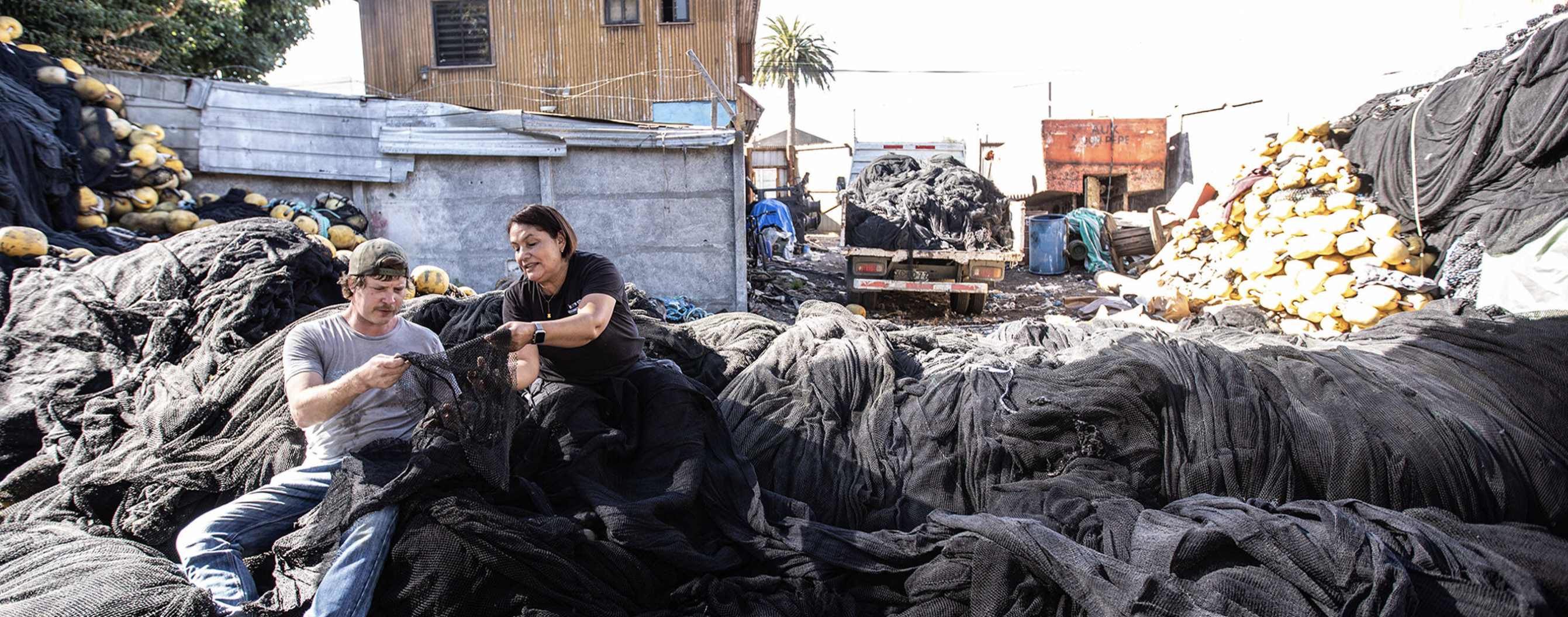
Patagonia has partnered with Bureo to turn abandoned fishing nets into skateboard decks and hat brims. This initiative addresses the significant issue of fishing nets, which make up 10% of ocean plastic, by transforming them into useful products. Patagonia's Worn Wear® program further emphasizes their commitment to circularity by promoting the repair, reuse, and trading of old gear.
- Bureo Partnership: Through this collaboration, Patagonia uses recycled fishing nets to create skateboards and hat brims, effectively removing over 600,000 kilograms of plastic waste from South American waters to date. This partnership incorporates Bureo's NetPlus® material into various Patagonia products, including their popular trucker hats. Additionally, Patagonia is advancing its Net Zero Plus development, which aims to go beyond carbon neutrality by integrating deeper sustainability practices across its operations.
- Worn Wear® Program: This program promotes repairing, reusing, and trading old gear to reduce the need for new materials and encourage a circular economy. Patagonia also offers repair services and resells used gear through their Worn Wear® platform.
- Sourcing Recycled & Regenerative Materials: Patagonia is committed to using recycled polyester and nylon, reducing reliance on virgin petroleum, and lowering their environmental impact. By 2025, they plan to source 50% of their synthetic materials from secondary waste streams. Also by 2025, Patagonia plans to use other preferred materials such as regenerative, organic cotton and generally natural-fiber-based fabrics.
- Addressing Their Plastic Problem– Microplastics: For many years now, Patagonia has been tackling the issue of microplastics by adopting innovative strategies to reduce plastic shedding from their products. They are using specialized filters in their washing machines to capture microfibers and developing textiles that release fewer microplastics. Patagonia also educates consumers on the environmental impact of microplastics and encourages the use of their Worn Wear® program to extend the life of their gear and minimize plastic pollution.
Closing the Intention-Action Gap on Plastic
As we draw to a close on our exploration of Plastic-Free July, it’s clear that the challenge serves as a powerful reminder of the pervasive nature of plastic in our lives and the urgent need for behavior change. Reflecting on our plastic consumption halfway through the year allows us to reset our sustainability goals and work towards closing the gap between our intentions and actions.
As we move forward, let us carry the lessons of Plastic-Free July into our daily lives, striving for a future where reducing plastic waste is not just a challenge for a single month but a sustained and conscious effort (we'll remind you of this again on Green Friday!). By making informed choices, supporting purpose-driven brands that honor their sustainability commitments, and promoting circular economies, we can all contribute to a cleaner, healthier planet. The journey to a plastic-free world begins with each one of us, and together, we can make a lasting difference.
Interested in learning how to implement circularity like the brands mentioned in this article into your business? Contact Grounded.