

 Matt Deasy
Key Takeaways:
- Brand marketing campaigns focus on building long-term brand identity and emotional connection rather than solely driving immediate sales, creating cultural resonance and lasting impression that shapes how audiences perceive organizations.
- Successful marketing campaigns integrate authentic purpose with creative execution, using storytelling across social media platforms, user generated content, and traditional channels to create multi-dimensional audience engagement.
- Effective branding campaigns understand their target audience deeply and craft messages that align with their values, behaviors, and aspirations—moving beyond demographic data to psychographic insight.
- Modern marketing strategy combines owned channels like email marketing campaigns with earned media through social sharing, influencer marketing, and customer-created content that amplifies brand message through trusted voices.
- Purpose-driven brand campaigns demonstrate measurable business impact through metrics beyond direct sales: increased customer loyalty, enhanced brand reputation, stronger employee engagement, and competitive differentiation in conscious markets.
When Dove launched "Real Beauty" in 2004, the campaign broke every rule of beauty advertising. Instead of showcasing impossibly perfect models, the brand featured real women of different ages, sizes, and backgrounds.
The campaign wasn't just advertising soap—it challenged decades of industry convention by questioning what beauty actually means. The result: global conversation, viral spread before social media platforms even existed at scale, and transformation of Dove from commodity product into cultural touchstone. Sales increased 600% in the campaign's first decade.
This moment illustrates what separates brand marketing campaigns from transactional promotion: the best campaigns create cultural resonance that transcends the immediate goal of direct sales. They build brand awareness while advancing ideas. They increase brand recognition while shifting perception. They generate business success through authentic engagement that audiences choose to participate in rather than simply endure.
For purpose-led organizations specifically, marketing campaigns become vehicles for values—opportunities to demonstrate commitment to environmental and social priorities while achieving commercial objectives. The challenge lies in execution that feels authentic rather than opportunistic, that earns attention rather than purchases it through volume alone.
Understanding Brand Marketing Campaigns as Strategic Tools
Brand marketing campaigns differ fundamentally from tactical marketing focused on immediate conversion.
These campaigns work to shape perception, build emotional connections, and establish brand identity that compounds in value over time.
The Distinction Between Branding and Marketing Campaigns
Marketing campaigns typically promote specific products, drive transactions, or achieve measurable short-term objectives like lead generation or seasonal sales. These initiatives optimize for conversion, using clear calls to action and direct response mechanics.
Branding campaigns operate at different altitude. They establish who your organization is, what it stands for, and why it matters. The primary goal involves increasing brand awareness, strengthening brand recognition, and building the emotional associations that influence long-term preference and customer loyalty.
Both approaches have strategic value. The most effective organizations use them in concert: branding campaigns create the foundation of trust and recognition that marketing campaigns convert into transactions.
Why Purpose-Led Brands Need Strategic Campaigns

For organizations committed to social or environmental impact, brand campaigns serve dual purpose. They must achieve commercial objectives while authentically advancing values. This integration demands creative concepts that feel genuine rather than performative.
The opportunity: audiences increasingly reward brands that stand for something beyond products. Research from Edelman shows that 58% of consumers make purchasing decisions based on beliefs and values. Purpose-aligned brand campaigns tap this dynamic, turning shared values into competitive advantage.
The risk: audiences quickly identify inauthentic purpose claims. Campaigns that don't reflect actual business practices damage trust more severely than saying nothing about values. This makes authenticity non-negotiable for purpose-driven branding campaigns.
Elements of Successful Marketing Campaign Examples
Analyzing best marketing campaigns reveals patterns in execution that drive both cultural impact and business results.
Clear Brand Message and Authentic Storytelling
The most memorable campaigns communicate singular, powerful ideas through stories rather than product features. These narratives create emotional connection that makes brands feel relevant to people's lives and identities.

The Nature Conservancy's "Nature Is Speaking" campaign exemplifies this approach. By having celebrities voice nature—Julia Roberts as "Mother Nature," Kevin Spacey as "The Rainforest"—the campaign personified environmental issues in ways that created emotional resonance. The creative concept generated millions of views and elevated The Nature Conservancy's brand visibility while advancing conservation priorities.
Deep Understanding of Target Audience
Effective campaigns demonstrate intimate knowledge of audience values, behaviors, and aspirations. They speak to what matters rather than broadcasting generic messages.
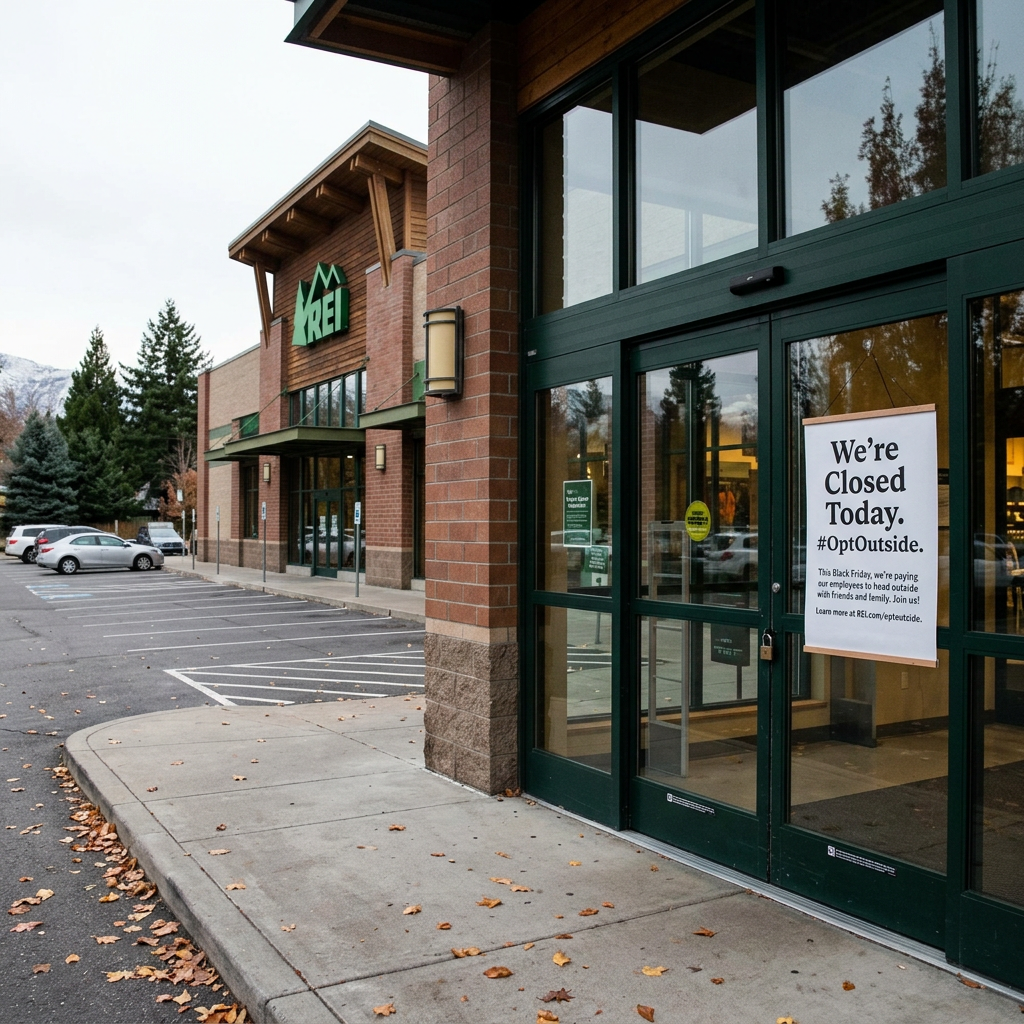
REI's #OptOutside campaign closed all stores on Black Friday—retail's biggest sales day—encouraging customers and employees to spend the day outdoors instead. The campaign succeeded because REI understood its company's target audience: outdoor enthusiasts who value experiences over consumption. The decision aligned brand values with customer values in ways that deepened loyalty despite sacrificing immediate revenue.
Multi-Channel Integration for Maximum Reach

Successful marketing campaigns orchestrate touchpoints across social media platforms, email marketing, traditional media, and owned channels. This integration creates multiple opportunities for audience engagement while reinforcing consistent brand message.
Seventh Generation's "Come Clean" campaign combined social media marketing with grassroots advocacy, documentary content, and legislative engagement. The multi-channel approach reached audiences through preferred platforms while demonstrating that environmental responsibility extended beyond products into policy advocacy.
Participatory Design That Invites Engagement
The best marketing campaigns invite audiences to become co-creators rather than passive consumers. User generated content, social sharing mechanics, and interactive experiences transform campaigns from broadcasts into conversations.
Allbirds' sustainability calculator lets customers see the carbon footprint of every product, creating transparency that invites engagement around environmental impact. This participatory element turns the brand's environmental values into customer education rather than marketing claims.
Types of Brand Campaigns That Drive Impact
Different campaign archetypes serve distinct strategic objectives while building brand identity and awareness.
Awareness Campaigns: Introducing Ideas and Organizations
These campaigns prioritize reach and recognition, establishing presence in audiences' minds. They work particularly well for newer brands, rebranding initiatives, or when entering new markets.

Who Gives A Crap, the sustainable toilet paper company and B Corp, launched with provocative campaign centered on sanitation crisis. The brand's irreverent tone and bold commitment to donate 50% of profits to build toilets made an unexciting product category memorable. The campaign built brand awareness by creating distinctive voice and purpose-driven positioning.
Advocacy Campaigns: Advancing Issues Beyond Products
Purpose-led brands can use marketing campaigns to advance social or environmental causes aligned with their mission. These campaigns build brand reputation while creating positive change.
Ben & Jerry's campaigns on climate justice, democracy reform, and racial equity demonstrate brand activism integrated into business strategy. The ice cream company doesn't just make statements—it mobilizes customers around issues through campaign featured content, partnership with advocacy organizations, and use of brand platform for amplification.
Engagement Campaigns: Deepening Relationships
These campaigns focus on audience engagement rather than acquisition, strengthening bonds with existing customers and encouraging customer loyalty through shared experiences.
Bombas' "Bee Better" content series spotlights customers giving back to their communities, reinforcing the brand's social mission around homelessness while celebrating the values-aligned community it's built. The campaign strengthens connection with existing customers rather than simply seeking new ones.
Product-Launch Campaigns: Introducing Innovation Through Purpose Lens
Even product-focused campaigns can embody brand values when executed thoughtfully. The key lies in connecting product benefits to broader purpose.
Beyond Meat's launch campaigns emphasize environmental and health benefits of plant-based protein rather than just taste or convenience. This framing positions products within purpose-driven lifestyle narratives rather than as mere alternative to meat.
Successful Marketing Campaign Examples From Purpose-Led Brands
Learning from executed campaigns reveals how purpose and performance interconnect.
Reformation: Making Sustainability Transparent and Aspirational

The sustainable fashion brand built campaigns around "Ref Scale"—showing environmental impact of every garment compared to industry average. The transparency campaign featured clean creative concept, influencer partnerships, and social media content that made sustainability data engaging rather than preachy.
The campaign's success came from making environmental responsibility feel aspirational and accessible. Reformation didn't guilt customers about fashion's impact—it invited them into solutions while maintaining the style-forward brand identity that drives direct sales.
Impossible Foods: Reframing Meat Through Mission
Impossible's marketing campaigns position plant-based burgers as solution to climate, land use, and animal welfare challenges. The "We Are Meat" campaign directly addressed meat lovers, reframing the conversation from sacrifice to innovation.
By featuring the product's meat-like qualities alongside environmental benefits, Impossible created narrative bridge between immediate consumer desires (taste, texture) and larger purpose (sustainability). Super Bowl ads and partnerships with major restaurant chains brought the message to mass audiences.
Ecosia: Search Engine as Climate Solution

The search engine that plants trees with ad revenue built global campaign around simplicity: "Search the internet, plant trees." The brand message proves so clear that user adoption becomes the marketing—each person who switches becomes informal brand ambassador.
Ecosia's campaigns focus on transparency about how many trees get planted and where, using real-time counters and regular updates. This accountability creates trust that converts awareness into sustained usage rather than one-time trial.
ThredUp: Making Resale Mainstream
The online resale platform runs campaigns positioning secondhand fashion as environmental solution and style opportunity. "Shop Like the World Depends on It" frames resale choices as climate action, creating emotional connection around values rather than just value pricing.
ThredUp's approach includes partnerships with major brands like Madewell and Reformation, bringing resale into mainstream retail spaces. The collaborative campaigns raise awareness for circular fashion while building ThredUp's legitimacy as retail innovator.
Modern Marketing Strategy: Channels and Tactics
Effective brand campaigns deploy integrated marketing strategy across owned, earned, and paid channels.
Social Media Marketing: Building Community and Conversation
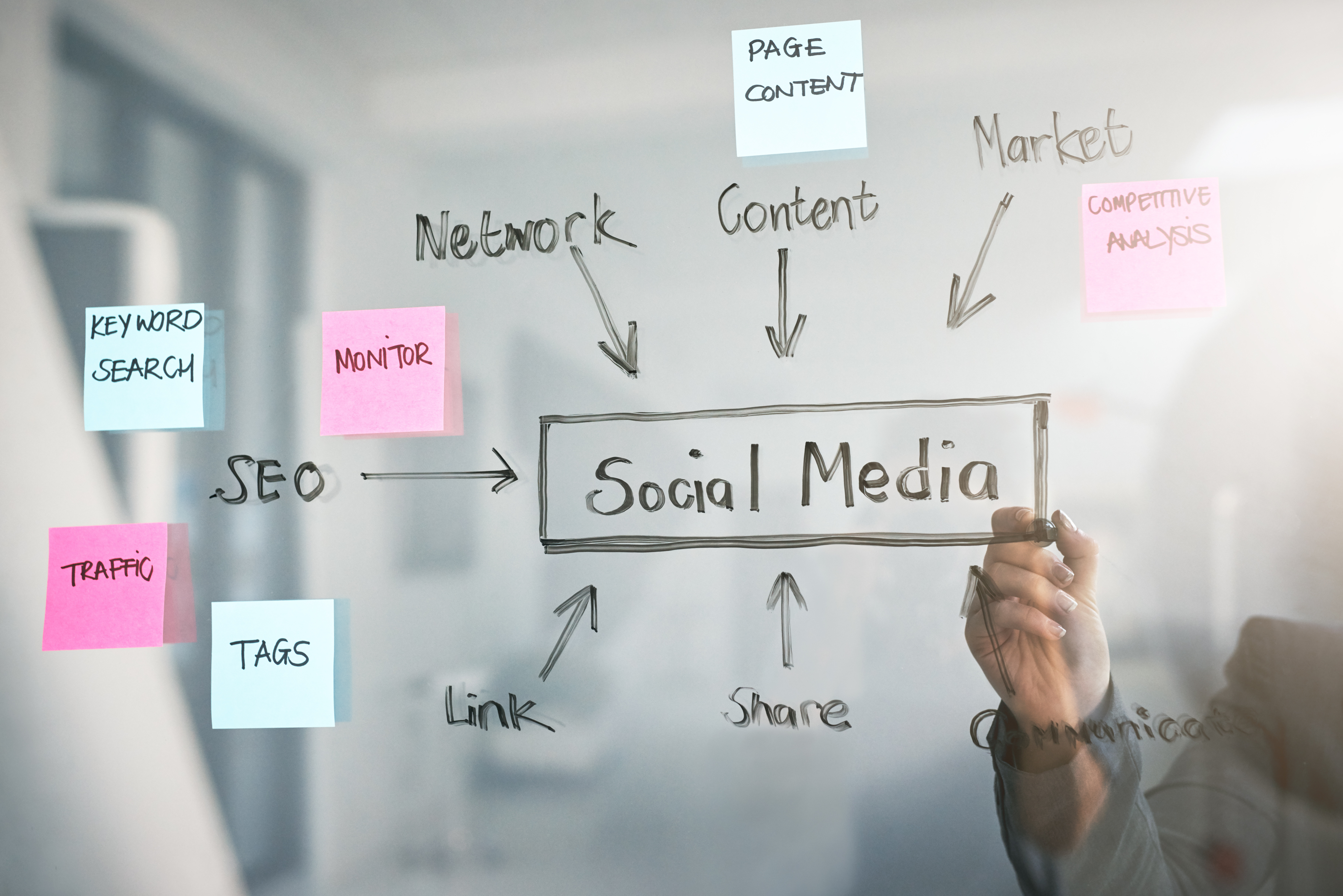
Social media platforms enable two-way dialogue that traditional advertising can't achieve. Purpose-led brands use these channels to build community around shared values, not just promote products.
Package Free Shop, zero-waste retailer and B Corp, uses Instagram to share sustainability tips, showcase customer stories, and provide education alongside product posts. This content strategy positions the brand as resource and community hub rather than just seller, deepening engagement and customer loyalty.
Influencer Marketing: Leveraging Trusted Voices
Strategic influencer partnerships amplify brand message through voices audiences already trust. The key lies in authentic alignment between influencer values and brand purpose.
Pela Case, sustainable phone case company, leveraged influencer marketing by partnering with environmental advocates and conscious lifestyle creators rather than traditional product influencers. These partnerships felt credible because the influencers genuinely cared about plastic reduction.
Email Marketing Campaigns: Nurturing Relationships
Email remains powerful channel for deepening relationships with audiences who've opted in. Effective email marketing campaign balances value delivery with gentle promotion.

Parachute Home, the bedding company and B Corp, sends emails featuring sleep science, sustainability practices, and customer stories alongside product launches. This content mix makes subscribers feel they're receiving value rather than just sales pitches.
User Generated Content: Authentic Brand Ambassadors
Encouraging customers to create content featuring your products or sharing their experiences generates authentic engagement while providing social proof.
Cotopaxi's #AdventureMore campaign invited customers to share photos of outdoor adventures while wearing the brand's colorful gear. The campaign featured submissions across marketing channels, making customers visible participants in brand story rather than just consumers.
Traditional Channels: Print Ads and Beyond
Digital channels dominate contemporary marketing, but traditional media still reaches audiences and conveys legitimacy. Print ads in aligned publications, direct mail to targeted audiences, and public installations create tangible brand presence.
Toms' billboards featuring its giving model brought brand values into physical spaces, creating public art that communicated purpose alongside product. The traditional channel amplified digital efforts while reaching audiences less active online.
Measuring Campaign Success Beyond Sales
Brand campaigns require measurement frameworks that capture long-term impact alongside immediate metrics.
Awareness and Recognition Metrics
Track how campaigns affect brand awareness through surveys measuring aided and unaided recall, brand recognition among target audiences, and share of voice in category conversations.
Monitor brand engagement through social listening, comment analysis, and participation rates in campaign activities. These qualitative signals reveal whether campaigns resonate emotionally rather than just reaching audiences.
Sentiment and Perception Shifts
Assess how campaigns influence brand's image and reputation through sentiment analysis of earned media coverage, social media mentions, and customer feedback. Track whether campaigns strengthen desired brand associations—sustainability, innovation, authenticity—over time.
Community Growth and Engagement
Measure audience building through email list growth, social media followers, and engagement rates across platforms. More valuable than vanity metrics: assess engagement quality through comment sentiment, share rates, and unprompted advocacy.
Business Impact: Connecting Purpose to Performance
While brand campaigns prioritize long-term positioning over immediate conversion, they should demonstrate business success through metrics like customer acquisition cost trends, lifetime value improvements, organic traffic growth, and direct attribution where campaigns include conversion opportunities.
Research shows purpose-driven campaigns often deliver strong ROI precisely because they build differentiation and loyalty that reduces reliance on paid acquisition over time.
Common Pitfalls
Learning from failure helps avoid predictable mistakes that undermine campaign effectiveness.
Pursuing Virality Over Authenticity
Campaigns optimized solely for social sharing often sacrifice brand alignment for attention. The viral moment fades quickly, leaving no lasting impression or positive brand association.
Focus instead on campaigns that earn attention through genuine value or emotional resonance. The goal isn't maximum views but meaningful engagement with the right audiences.
Disconnecting Campaign From Operations
When brand campaigns make claims that business practices contradict, the backlash exceeds benefit of the campaign itself. Greenwashing accusations damage brand's reputation far beyond the campaign's reach.
Ensure marketing accurately reflects organizational reality. Campaign should showcase authentic commitments rather than aspirational positioning disconnected from operations.
Ignoring Cultural Context and Sensitivity
Campaigns that appropriate movements, trivialize serious issues, or misread cultural dynamics alienate audiences and invite justified criticism. Good intentions don't excuse insensitive execution.
Include diverse perspectives in campaign development. Test concepts with representative audiences before broad launch. Build cultural competency into creative process.
Measuring Only Vanity Metrics
Counting impressions and likes provides incomplete picture of campaign's impact. These metrics say nothing about quality of engagement or influence on perception.
Develop measurement frameworks that assess awareness quality, sentiment shifts, and business outcomes. Use both quantitative data and qualitative feedback to evaluate success.
Building Your Brand Campaign Strategy
Organizations ready to develop their own campaigns can follow proven frameworks while maintaining authenticity to their unique identity.
Start With Strategic Clarity
Define campaign objectives explicitly. What perception do you want to shift? What emotional association do you want to strengthen? What action do you want audiences to take? Clarity about goals shapes every subsequent decision.
Ensure alignment with broader brand strategy and business objectives. Campaigns should advance organizational priorities rather than existing as separate marketing exercises.
Ground Creative in Audience Insight
Invest in understanding who you're trying to reach. Move beyond demographic data to psychographic insight:
What do they value?
What challenges do they face?
What stories resonate with how they see themselves?
Strong campaigns demonstrate this understanding through messages that feel personally relevant to target audiences rather than generic to everyone.
Build Authentic Connection to Purpose
For purpose-led brands, campaigns should showcase how values manifest in products, operations, and impact. The connection between campaign and organizational reality must be transparent and verifiable.
Consider how Allbirds prominently displays environmental footprint data for every product. This transparency makes sustainability claims credible because they're specific and measurable.
Test and Iterate Based on Response
Launch campaigns with mechanisms for gathering feedback and measuring impact. Monitor response in real-time and adjust messaging or tactics based on what you learn.
The best campaigns evolve based on how audiences actually engage with them rather than executing fixed plans regardless of response.
Amplify Through Partnerships
Consider strategic collaborations that expand reach while reinforcing brand values. Partnerships with aligned nonprofits, complementary brands, or mission-driven influencers can amplify impact beyond what individual organizations achieve alone.
At Grounded, we work with purpose-led brands to develop marketing campaigns that authentically unite impact with growth. Our approach ensures campaigns reflect genuine organizational commitments while leveraging creative storytelling and strategic channel selection to maximize resonance with target audiences.
The Evolution of Brand Marketing

Branding campaigns continue evolving as new platforms emerge, audience expectations shift, and the relationship between commerce and culture changes.
The most significant trend: audiences increasingly expect brands to contribute meaningfully to addressing social and environmental challenges. This creates both opportunity and responsibility for purpose-led organizations. The opportunity lies in competitive differentiation through authentic values alignment. The responsibility involves ensuring campaigns reflect genuine commitments rather than capitalizing on concerns without contributing to solutions.
Successful brand campaigns in this landscape combine compelling creative concept with operational authenticity. They generate buzz through cultural relevance rather than media spend alone. They create lasting impression by connecting brand identity to ideas and movements that matter to people's lives and identities.
The organizations thriving through this transition understand that great campaigns don't manipulate audiences into buying—they invite audiences into shared purpose, creating community around values that transcend any single transaction. This approach builds customer loyalty that sustains through market changes and economic cycles, generating business success precisely because it offers something more meaningful than products alone.
Author:
Matt Deasy
linkedinMatt Deasy is Business Development Lead at Grounded and an independent consultant, helping purpose-driven brands scale impact with clarity and commercial strength. Matt is a certified ‘*B Leader’ - *a trained consultant officially recognized by B Lab (the nonprofit behind the B Corp movement) to support companies on their journey toward B Corp certification, a graduate of Harvard Business School’s Sustainable Business Strategy program, and studied the UN Sustainable Development Goals program at the University of Copenhagen.
Matt brings a unique blend of entrepreneurial grit and sustainability expertise to Grounded, has contributed to publications such as Sustainable Times and B Lab Portugal, and is an expert ambassador at Brilliant Ideas Planet, exploring the evolving role of business in addressing global challenges.
Finally, as lead of Grounded Expeditions, Matt designs immersive, impact-driven experiences that connect business leaders with impact solutions. His approach draws on over a decade building and scaling snow and surf businesses across Europe and North Africa, alongside extensive travel to 80+ countries across every continent. These global experiences inform his belief that commercial success and environmental stewardship can—and must—go hand in hand.
Matt continues to explore how brand storytelling, partnerships, and strategy can accelerate the transition to an economy where purpose and profit reinforce each other.
LinkedIn | matt@grounded.world
Frequently Asked Questions About Mission and Values
Successful marketing campaigns combine clear brand message with authentic emotional connection, deep understanding of target audience, and creative execution that earns attention rather than simply purchasing it. The campaign's success shows through both cultural resonance—how widely ideas spread and how deeply they influence perception—and business metrics like increased brand awareness, improved sentiment, and strengthened customer loyalty. Great campaigns create lasting impression that shapes how audiences think about the brand long after specific touchpoints end. For purpose-driven organizations, success also requires demonstrating authentic alignment between campaign messaging and actual business practices, ensuring marketing reflects genuine commitments rather than performative positioning.
Effective campaigns orchestrate multiple channels rather than relying on single platforms, creating integrated experiences across touchpoints. Social media platforms enable community building and conversation. Email marketing campaigns nurture relationships with opted-in audiences. Influencer partnerships leverage trusted voices for credible amplification. User generated content provides authentic social proof. Traditional channels like print ads and outdoor advertising still reach audiences and convey legitimacy. The best channel mix depends on target audience behaviors and preferences. Purpose-led brands often benefit from owned content channels—blogs, podcasts, video series—that enable deeper storytelling around impact rather than limiting messaging to paid advertising constraints. The key involves meeting audiences where they already spend time rather than forcing them to new platforms.
Budget constraints force creativity and authenticity—often producing more resonant campaigns than big-budget efforts. Focus on owned and earned channels over paid advertising: build community through social media, create content that provides genuine value, encourage customers to share experiences, and partner with aligned organizations to expand reach. User generated content campaigns cost little beyond prizes or recognition but generate authentic engagement. Email remains cost-effective for nurturing relationships. Local media often cover purpose-driven stories, providing earned coverage that paid advertising can't buy. Small brands can leverage authenticity as advantage: audiences often trust mission-driven startups more than established corporations, making genuine storytelling particularly powerful. The constraint becomes creative opportunity, pushing organizations toward campaigns built on ideas and values rather than media spend.
Brand campaigns prioritize perception and awareness over immediate conversion, so direct calls to action deserve careful consideration. Including explicit CTAs can reduce campaigns to transactions rather than building emotional connection and long-term preference. However, campaigns benefit from offering clear next steps for audiences who want deeper engagement—signing up for newsletters, following social channels, joining communities, or learning more about the brand's purpose. The balance: provide pathways for further engagement without making every touchpoint transactional. Let some campaign moments simply create positive associations and emotional resonance without immediate ask. For audiences ready for action, make engagement opportunities clear but optional. Purpose-driven campaigns particularly benefit from inviting participation in movements or causes rather than only directing audiences toward purchases.
Brand campaigns focus on building long-term identity, emotional associations, and brand awareness rather than driving immediate transactions. They establish who an organization is and what it stands for, creating foundation of trust and recognition that influences preference over time. Direct marketing prioritizes measurable conversion actions—purchases, sign-ups, downloads—optimizing for immediate response through clear calls to action. Both approaches have strategic value: brand campaigns build the equity that marketing efforts convert into business results. Purpose-led organizations need both, using brand campaigns to establish values-based positioning while employing tactical marketing to achieve commercial objectives within that positioning framework.
Social media platforms enable interactive, participatory brand experiences that traditional advertising can't achieve. These channels allow brands to build community around shared values, facilitate conversation rather than just broadcast messages, and amplify reach through social sharing and user generated content. Successful social media marketing creates content people choose to engage with and share rather than ads they endure. For purpose-driven campaigns specifically, social platforms enable storytelling that showcases impact, transparency about practices, and direct dialogue with stakeholders. The authenticity possible through social media makes these channels particularly valuable for brands building trust through purpose alignment rather than relying solely on paid reach.
Measurement frameworks should capture both immediate metrics and long-term brand building impact. Track awareness through aided and unaided recall surveys, brand recognition among target audiences, and share of voice. Assess perception shifts through sentiment analysis of media coverage and social conversation. Monitor engagement through participation rates, social sharing, and quality of interactions beyond vanity metrics like impressions. Connect to business outcomes through customer acquisition cost trends, lifetime value improvements, and organic growth. For purpose-specific campaigns, measure alignment perception: Do audiences believe your commitments are authentic? Has the campaign strengthened the association between brand and values? Purpose-led campaigns often deliver ROI through differentiation and loyalty that reduces long-term acquisition costs rather than immediate conversion spikes.
Campaign frequency depends on organizational goals, resources, and market dynamics. Major comprehensive campaigns typically launch one to three times annually, allowing sufficient time for each campaign to resonate and be measured before launching the next. Continuous, smaller activations maintain presence between major campaigns. The key: prioritize campaign quality and strategic alignment over frequency. Mediocre campaigns launched constantly damage brand more than strategic silence. Purpose-led brands particularly need to ensure each campaign advances authentic commitments rather than creating campaign fatigue through constant promotion. Consider campaign timing around product launches, seasonal relevance, cultural moments, or organizational milestones. Most importantly: campaigns should emerge from genuine news or ideas worth sharing rather than filling marketing calendars because quarters demand content.