
 Matt Deasy
Key Takeaways:
- A strong brand identity is the visual and verbal expression of a company’s purpose, values, and personality — it’s how audiences recognize and remember your brand.
- Brand identity encompasses the brand’s visual identity, brand voice, and consistent storytelling across all touchpoints, shaping customer expectations and emotional connection.
- A clearly defined brand identity improves perceived value, builds brand loyalty, and provides a solid foundation for long-term brand management.
- The world’s most successful brands (like Coca-Cola, Patagonia, and Apple) use clear brand identity design to maintain consistency and relevance in a crowded market.
- Grounded helps purpose-led organizations create authentic, effective brand identities that align brand strategy with sustainability, creativity, and human impact.
A brand identity is how a company expresses itself visually, verbally, and emotionally to the world. It’s the sum of its brand elements—logo, typography, voice, photography style, and tone—that together form a recognizable image in the mind of the audience.
A brand isn’t just a logo or a color palette, it’s a living system of meaning.
As Harvard Business Review notes, brand identity is the foundation of trust and differentiation in a world of choice—it’s what makes people feel before they think (Harvard Business Review, 2022).
Strong brand identities don’t just capture attention; they build relationships, aligning brand values with human aspirations and societal shifts.
What Is Brand Identity?
In simple terms, brand identity refers to the collection of tangible and intangible brand elements that express who your company is and what it stands for.
It includes your visual identity, verbal identity, and brand voice—the ways your organization communicates its brand story and personality.
A clearly defined brand identity helps customers understand what the company stands for, shaping consumer perception and influencing decisions long before purchase. According to the World Economic Forum, consistent and ethical brand communication has become an essential factor in building corporate trust (World Economic Forum, 2023).
Why Brand Identity Matters
****
1. It Builds Recognition and Trust
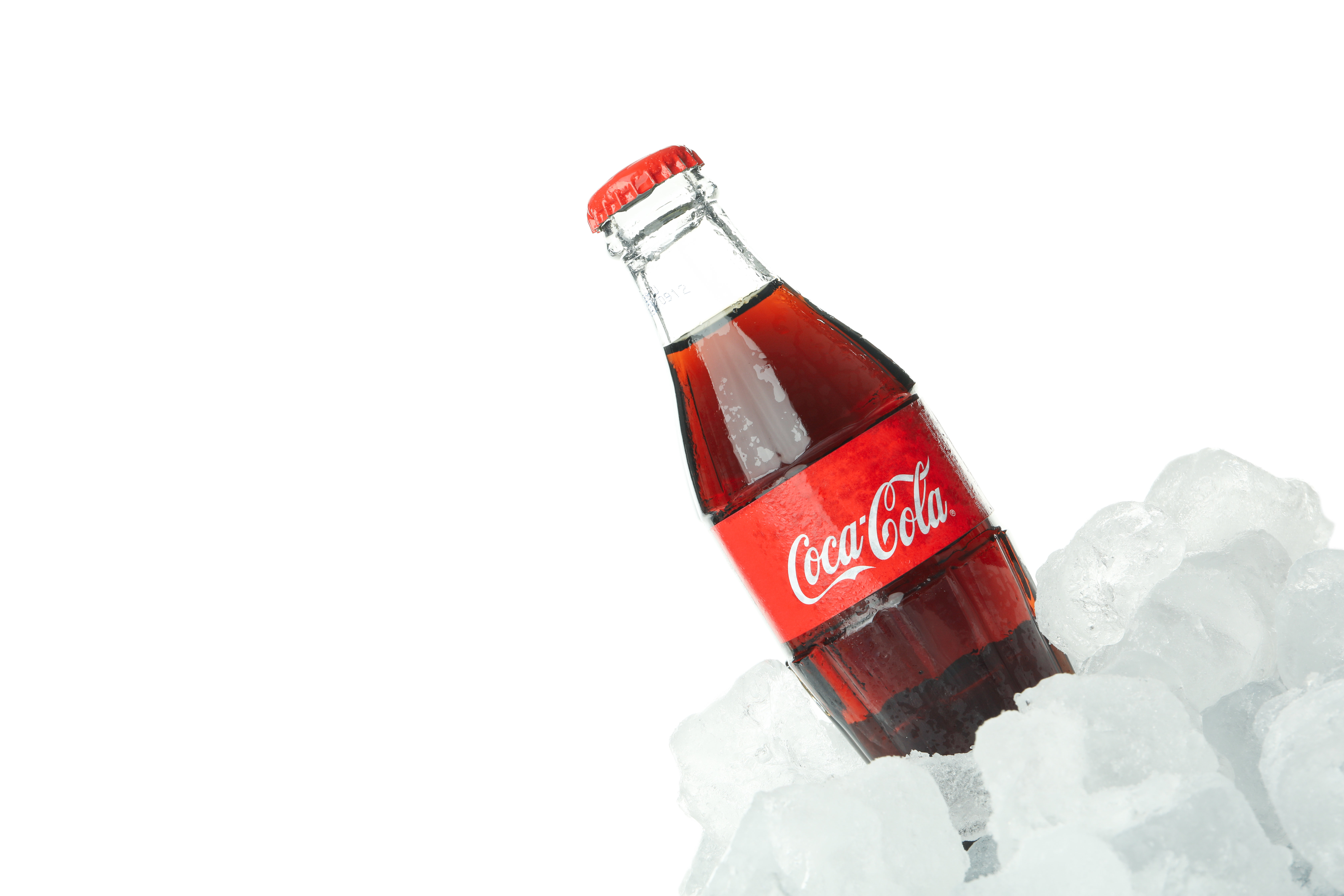
A strong brand identity increases brand awareness and brand recognition across all channels. Consumers trust brands that express themselves consistently—brands like Coca-Cola and Apple maintain distinct visual identities that instantly communicate heritage, quality, and emotion.
2. It Creates Differentiation in a Crowded Market
In saturated categories, a clearly defined brand identity acts as a competitive advantage. According to Forbes, businesses with distinctive branding outperform their peers by up to 20% in customer loyalty and lifetime value (Forbes, 2024).
3. It Shapes Consumer Experience
A brand’s visual identity and verbal identity create emotional consistency across websites, packaging, retail, and digital experiences. When identity and purpose align, customer expectations are met, brand loyalty grows, and customer experience feels seamless.
4. It Strengthens Internal Alignment
A brand identity creating process isn’t only external—it unites teams under a shared vision and brand strategy. A brand style guide and brand guidelines ensure every department—from marketing to HR—communicates in the same way.
Key Elements of Brand Identity
A successful brand identity design combines both visual elements and verbal elements into a cohesive system that reflects brand purpose, values, and ambition.
Visual Identity
This includes logo design, color palette, typography, graphic elements, photography style, and layout. Together, they form a visual language that’s consistent, recognizable, and emotionally resonant.
- Logo design — A clear, scalable mark that captures your brand personality.
- Color palette — The emotional tone of your brand; a consistent color palette improves recognition by up to 80%, according to MIT Sloan Management Review (MIT Sloan, 2024).
- Typography — Fonts communicate tone—modern, classic, or minimal.
- Imagery — Photography and illustrations set mood and context, reinforcing brand personality.
Verbal Identity
Your brand voice, tone, and key messaging define how you sound. Clear language humanizes the brand and builds credibility. Harvard research shows that humanized language in branding increases brand trust and perceived authenticity by 25% (Harvard Business Review, 2023).
Brand Story

An effective brand story ties every brand identity element together. It explains the why behind the brand—its values, its mission, and the impact it wants to create in the world.
How Brand Identity Works
A brand identity is more than aesthetics—it’s a framework for experience. Here’s how it shapes perception and performance:
- Attracts the right target audience. Through tone and design, it signals what kind of brand personality customers can expect.
- Increases perceived value. A consistent, professional presentation communicates quality and confidence.
- Drives customer loyalty. A unified brand image ensures customers recognize and trust you every time they interact with your business.
- Guides marketing efforts. When design, tone, and purpose align, every touchpoint reinforces a single, powerful message.
- Supports long-term brand management. Brand identity evolves, but its core elements—purpose, tone, and aesthetic—remain the same.
Organizations that maintain a consistent brand identity across platforms can increase revenue by up to 23%.
Creating a Brand Identity That Lasts

Building a strong brand requires careful execution and cross-functional alignment. Here’s how to create a brand identity that stands out and sustains impact.
Step 1: Define Purpose and Values
Start with the “why.” Your brand values should connect to your organization’s purpose. As B Lab emphasizes, authentic branding comes from aligning purpose with measurable impact (B Lab, 2024).
Step 2: Understand the Target Audience
Conduct market research to learn how your target customers perceive your brand and competitors. Identify what emotions and outcomes your brand should evoke.
Step 3: Design the Visual and Verbal Framework
Work with a graphic designer and brand strategist to build your visual identity (logos, typography, imagery) and verbal identity (tone, tagline, key messages). Document everything in a brand style guide.
Step 4: Integrate with Business and Marketing Strategy
Your brand identity should support broader business strategy and marketing strategy. It’s not just about design—it’s about behavior, brand positioning, and story.
Step 5: Test and Evolve
A new brand identity should be tested with employees and customers. Track consumer perception, engagement, and recall. Iterate based on feedback to ensure alignment with customer expectations and market trends.
Great Examples of Brand Identity in Action

Grounded World
As a certified B Corp, Grounded’s own identity is built on clarity, sustainability, and creativity. Its brand voice is grounded (literally) in human stories, aligning strategy and design with purpose-led results.

Coca-Cola
Coca-Cola is the ultimate great brand identity example: consistent color palette, distinctive typography, and emotional storytelling. Its brand identity design connects generations, symbolizing optimism and togetherness.

Patagonia
Patagonia integrates visual elements with ethical action. Its distinct personality—rooted in environmental activism—turns its brand identity into a reflection of purpose, not just design.
.jpg)
Airbnb
Airbnb’s brand identity blends verbal identity (“Belong Anywhere”) with visual identity—a simple, human-centric logo and friendly tone that resonate with global travelers.
.jpg)
Apple
Apple’s minimalist brand identity focuses on simplicity, innovation, and clarity. Its graphic elements and design consistency create a lasting impression of sophistication and ease.
Why Strong Brand Identity Builds Longevity
A strong brand identity isn’t cosmetic—it’s strategic infrastructure. It aligns vision and execution, helping companies maintain relevance, increase brand awareness, and inspire loyal customers through trust.
Research from McKinsey & Company shows that companies with strong, consistent brands significantly outperform their peers in long-term value creation, highlighting that sustained identity and purpose contribute more to brand longevity than short-term marketing spend.
Strong identity gives brands resilience: when consumer perception shifts, identity anchors meaning and ensures that growth doesn’t come at the cost of integrity.
How Grounded Helps Brands Define Identity
Grounded supports organizations in building effective, sustainable, and human-centered brand identities.
- Brand Discovery Workshops: Align brand purpose, story, and identity through structured co-creation.
- Brand Identity Design: Develop or refine visual and verbal frameworks that reflect values and purpose.
- Brand Guidelines Creation: Document standards that maintain consistency across teams and markets.
- Activation and Measurement: Integrate identity into culture, storytelling, and performance tracking.
See our related insights on Brand Mission and Brand Vision to explore how identity fits into a purpose-led brand system.
Frequently Asked Questions About Brand Identity
Brand identity refers to the collection of design, communication, and storytelling elements that make a company recognizable and trusted.
It builds recognition, consistency, and emotional connection—key to brand loyalty and growth.
Logo, color palette, typography, imagery, voice, and story—all documented in brand guidelines or a style guide.
Start with purpose and values, understand your audience, design consistent visual and verbal elements, and align everything to strategy.
Clarity, consistency, authenticity, and emotional resonance. It should reflect your brand’s values and inspire loyalty.
Yes. With clear strategy and disciplined consistency, small brands can develop powerful, memorable identities even with limited budgets.
Identity is what you create; image is how your audience perceives it. Both must align for success.
Coca-Cola, Apple, and Patagonia each maintain distinct, consistent brand systems that express their personality and purpose across decades.