 Paloma Jacome
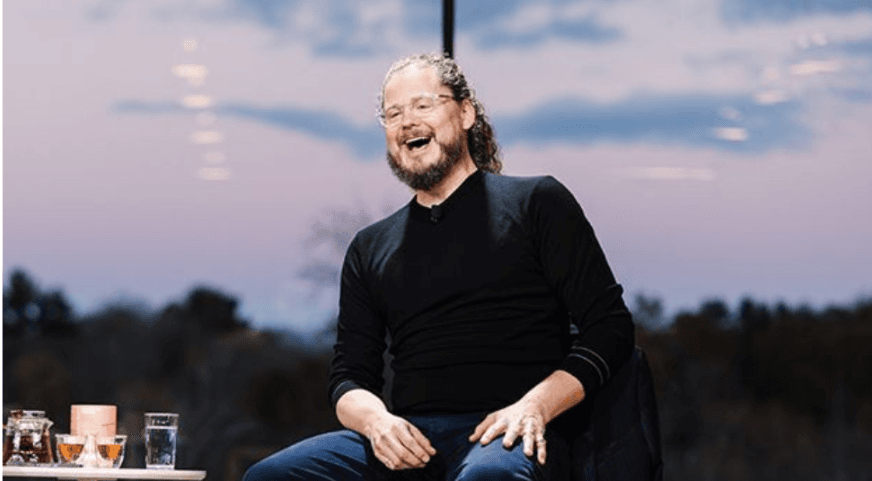
At Grounded, we had the unique privilege of delving into Matthew McCarthy's wealth of wisdom on the essence of Brand Purpose and uncovering the profound nuances that redefine the landscape of leadership in today's dynamic business world. In this enlightening interview with former Ben and Jerry's CEO, Matthew McCarthy, our co-founder and Chief Strategy Officer, Phil White, we explore what Purpose-Driven Leadership really is and how 'Democratizing Courageous Leadership’ is essential for winning.
Phil White: So we'll dive straight in then, first question—why do we need ‘Purpose-Driven Leadership’ in business and organizations right now?
Matthew McCarthy: I think that's a trick question. We've always needed it and it's always been essential. Good leadership is purpose driven leadership– it's not an add-on. Purpose-free or purposeless conduct is often careless and can even be unethical.
It is more of a focus now because we continue to see businesses’ failings when it doesn't take responsibility for its negative externalities. Why it's now critical is because we're dealing with the hangover of purposeless management. How you operate and you win reflects whether or not you're being purposeful and centered on what's right for people, your community and the environment.
Phil White: Do you need to be ‘Purpose-Driven’ therefore to be an effective leader?
Matthew McCarthy: Absolutely. And it’s also a matter of attracting and retaining the best talent– which is obviously essential to winning. More than ever, people are seeking meaning in their work and purpose in the organizations they choose to be part of.
**Phil White: **So what is ‘Purpose Driven Leadership’, what does it actually look like? What behaviors define a ‘Purposeful’ leader?
Matthew McCarthy: I think one of the golden cables threading through purpose driven leadership is transparency. You have to make your values clear and try to live up to them everyday. Because you can't be held accountable nor can you celebrate winning if you haven't made your values clear.
The power of transparency is that everyone knows where you stand and how you’re delivering against your values. No one likes to fall short, but the truth is we will often– especially if we set stretching goals. We will always be criticized at times- get over it. If you want to live in a criticism-free environment, you’ll need to hide your values or contort them to fit every situation.
Phil White:* You've talked a lot about ‘Democratizing Courageous Leadership’. So what does that effectively mean and how do leaders ‘Democratize Courageous Leadership’ in their organizations?*
Matthew McCarthy: First and foremost it's about ‘decentering’. For example, this concept of ‘decentering’ in anti-racism work is to challenge white supremacy culture while decentering the story from the perspective of a white person. Therefore, ‘democratizing courageous leadership’ comes from a place of understanding that it's not all about you, the person with positional authority, in my case as CEO. Too often, the pedagogy around leadership is focused on the leader. What's part and parcel of ‘decentering the leader’ is a radical redistribution of power within the organization. ‘Democratizing courageous leadership’ starts pushing out actively decision making, ownership and agency to the broader sphere within the organization.
Phil White: I know you're not afraid to be vulnerable and candid, so what are some of your* own** Purpose-Driven Leadership’** stumbles? *
Matthew McCarthy: For example, at Ben and Jerry's, we put out a tweet at the start of the Ukraine war criticizing the U.S. government for quickly taking a war posture and we received a lot of criticism. From a brand DNA perspective, promoting peace has been at the heart of Ben and Jerry’s work for over 45 years. So while the tweet was consistent with B & J’s ethos, we could have taken a beat to more deeply understand the nuances of the conflict, and reflected those insights in the work.
Conversely, when George Floyd was murdered– a time when many similar incidents of injustice were coming to light, we put out a statement and body of work around the need to dismantle white supremacy culture in America; “We must dismantle white supremacy.”
This was informed by extensive consultation with our partners in the grassroots movement around racial equity and criminal justice reform. This was deeply consistent with Ben and Jerry's values and purpose-driven leadership.
Phil White: Purpose is really about being able to articulate the WHY behind your WHAT, and your HOW, isn’t it? Could we spend a couple of minutes just talking about the ‘power of why’ and its importance from a leadership perspective?
Matthew McCarthy: I approach life and work with a lot of curiosity. I believe curiosity is one of the most powerful forces in the universe. Indeed, Curiosity is the progenitor of all learning, innovation, and big breakthroughs. I try to bring curiosity to all that I do. And this applies just as much to understanding my failures just as much to my accomplishments. “Why?” also brings a dose of humility. Beware the leader who pretends to know it all. This links also to the concept of ‘democratizing courage’– asking why instigates the creativity of your team, builds agency and fosters trust that everyone’s contribution is valued.
Phil White: Matthew, so the $million question is: What is the one thing you would encourage leaders to focus on to be a ‘Purpose Driven Leader’?
Matthew McCarthy: Humility. The pursuit and prioritization of humility is a prerequisite for leadership. I also want to bust the old trope of ‘either/or’ thinking: great leaders are powerful, decisive, and also humble. Humility is about restraint– embracing your positional authority while aggressively redistributing power across the organization.
For more insight around how to successfully articulate and activate around brand purpose Read more here.