 Paloma Jacome
The rainbows went missing.
For years, Pride Month was corporate America’s favorite calendar event. Rainbow logos. Pride-themed merch. Floats. Filters. Panels. Donation campaigns.
But in Pride 2025, a new trend emerged: silence.
Mastercard pulled out of NYC Pride. Deloitte and Booz Allen quietly backed away from WorldPride in D.C.. Anheuser-Busch ghosted longtime partnerships in St. Louis and San Francisco. And brands that once painted June in technicolor? They went beige. For many companies, the calculation has become clear: better to avoid the backlash altogether than risk it.
But if “Beige Pride” describes the aesthetics of this year’s retreat, another term better captures the structural shift underneath: pinkhushing. Much like “greenhushing” in the sustainability space, pinkhushing refers to the quiet deletion of LGBTQ+ references, the soft withdrawal from campaigns, and the behind-the-scenes removal of inclusive language from brand guidelines and websites. It’s a strategic silence. Not necessarily the end of support, but a hushed realignment of how (and whether) brands choose to show it.
This silence hasn’t gone unnoticed. A 2025 Pew Research Center study found that only 16% of LGBTQ adults believe brands that celebrate Pride do so out of genuine support. The rest believe it’s driven by profit, or social pressure. Among younger LGBTQ adults under 30, over half believe that few, if any, companies are acting out of sincerity. And while corporate leaders may see pinkhushing as risk management, the LGBTQ+ community often sees it as betrayal, a retreat from solidarity at the moment it matters most.

The Beige Pride Era
Where Pride collections used to be flamboyant, expressive, and visibly queer, this year many brands opted for muted tones, uncontroversial slogans, and design-by-committee aesthetics. It’s not just about who backed out, it’s about how those who stayed in played it safe.
Take Target, for example. A few years ago, they were criticized by the right for being “too visible.” This year, they were criticized by everyone — for being invisible. Their 2025 Pride collection drew attention for its sheer blandness. Social media users mocked its muted colors, absence of messaging, and oddly sanitized bird mascots named “Gal” and “Pal.” The capsule, once filled with affirming statements and community-led design, now featured beige tones and placeholder copy (some tags even appeared to still use lorem ipsum). A review captured the tone best: “It looks like Pride, if you turned the brightness all the way down.”

Abercrombie & Fitch also released a subdued collection this year: 15 gender-inclusive items with safe slogans, washed-out color palettes, and little-to-no narrative framing. While the company did commit $400,000 to The Trevor Project... the designs themselves felt disconnected from queer expression, and lacked the edge or self-affirmation typical of prior years.

The BarkBox Pride collection, which had previously featured items like “Daddy Dolphin” and “Proud Pup Tug,” was paused altogether after internal Slack messages labeled it “politically charged.” Although the CEO later apologized and claimed the merchandise was still available, the damage was done. Pulling back signaled that LGBTQ+ identity (even in chew toy form) had become too risky.

Pinkhushing: When Brand Pride Goes Quiet (on Purpose)
While pinkwashing once described surface-level allyship, pinkhushing describes the quiet undoing of it: scrubbing inclusive language from websites, slashing Pride marketing budgets, canceling events, and backing away from DEI commitments without explanation.
In 2025, many companies quietly abandoned their Pride efforts under pressure. Gap, once known for its vivid rainbow collections, has said nothing. BMW, Cisco, and several NFL teams removed rainbow versions of their logos from social media, despite featuring them in years past. Calvin Klein, while releasing a Pride line, offered only minimal public promotion. Meanwhile, queer creators online have noted a sharp drop in influencer campaign invitations and sponsorship opportunities this year.

Best in Brand Activism
These brands stood out because they stayed in. They didn’t confuse Pride with PR. They didn’t walk away the moment things got complicated. They remembered that authentic brand activism isn’t conditional.

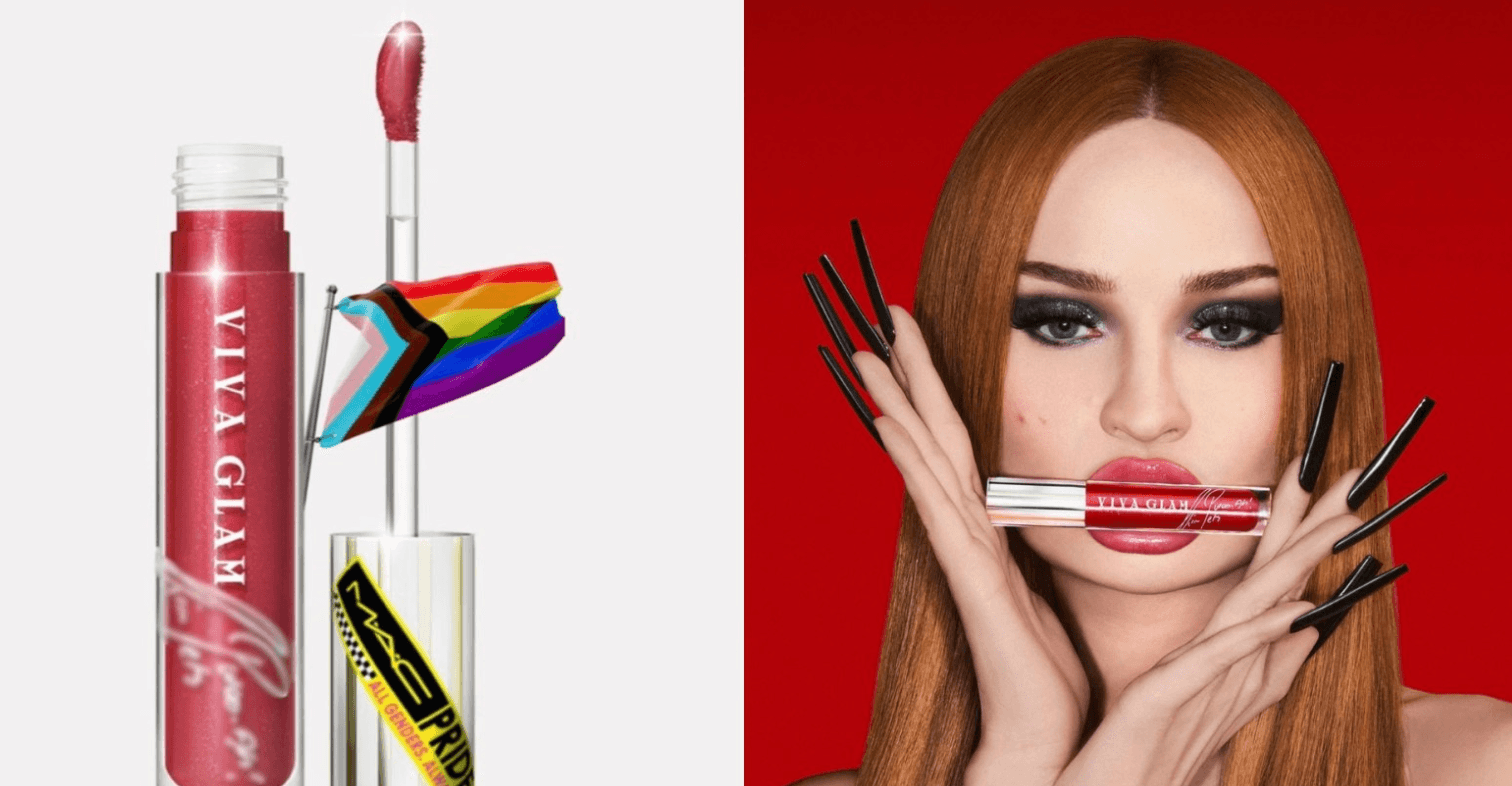
MAC Cosmetics went even further this year. With trans pop star Kim Petras, as the face of its Viva Glam campaign for a consecutive year, MAC committed to its largest-ever single donation: $1 million to LGBTQ+ nonprofits including The Trevor Project, Hetrick-Martin Institute, and It Gets Better. The brand pledged 100% of the proceeds from its limited-edition lip gloss to these causes

Lufthansa, the German airline, stood out in stark contrast to U.S. carriers like Delta and American Airlines, who remained silent. “Lovehansa” posted a Pride flag waving from a cockpit window accompanied by the caption: “Carried with pride, waved with passion.” When the backlash came (and you know it did) Lufthansa didn’t censor the comments. Instead, their social media team responded with poise and resolve: “Sorry to see you go, but we stand by our values.” Another user complained, “Thank you for giving me a reason not to be a Lufthansa passenger,” to which the airline replied: “You’re welcome to join us on board whenever rainbows are not scary to you anymore.”

Lime, the mobility company, launched its biggest Pride campaign yet: “Ride Forward.” Vehicles across global cities were wrapped in rainbow colors, and Lime became the official transportation sponsor of WorldPride D.C. More than a stunt, the campaign focused on access — ensuring that people could physically reach Pride events in their communities, particularly those from marginalized or underserved areas.

Sephora revived its Brave Spaces in 74 cities, giving LGBTQIA+ customers in-store support and resources. In collaboration with Lady Gaga’s Haus Labs and the Born This Way Foundation, the campaign emphasized emotional safety, joy, and expression, tying back into Sephora’s purpose to make beauty a vehicle for belonging. “At Sephora, we’re driven by our purpose to champion a world of inspiration and inclusion where everyone can celebrate their beauty,” said Deborah Yeh, global chief marketing officer of Sephora.

Converse, now in its 11th year of Pride campaigns, kept their “Proud to Be” series going strong, spotlighting LGBTQ+ voices and donating nearly $3.4 million to queer causes since 2015.

JanSport focused on emotional resilience with their “Affirmation” collection. Its 2025 Pride collection featured affirmations sewn directly into its bags, subtle but powerful nods to the mental health challenges many LGBTQ+ youth face. The brand continued its long-standing partnership with The Trevor Project, contributing over $250,000 to suicide prevention resources in the past five years.

**Puma **brought unapologetic energy with its “Equal Love Confederation” collection — a fusion of football culture and Y2K nostalgia. But Puma went further, using its platform to support inclusive youth sports initiatives like #REFORMTheLockerRoom, in collaboration with The Trevor Project.

Apple, typically reserved in tone, delivered a subtle but symbolic collection with the 2025 Pride Edition Sport Band. Each band featured a unique rainbow weave (no two the same) , a small but powerful metaphor for LGBTQ+ individuality. Alongside this, Apple launched a custom Pride Harmony watch face and wallpapers for iPhone and iPad, reinforcing a message of personalization, identity, and quiet pride. While Apple didn’t disclose donation amounts (interesting?), the company reaffirmed its year-round financial support of LGBTQ+ advocacy organizations, in keeping with its long-standing commitment to inclusion.

Skullcandy’s “All Love” audio collection dropped just ahead of June and included rainbow-accented earbuds and headphones, with 100% of proceeds benefiting To Write Love on Her Arms (TWLOHA), a nonprofit supporting LGBTQ+ individuals facing mental health challenges.
So, What Does Real Brand Activism Look Like?
It looks like consistency. It looks like alignment between brand purpose and message. It looks like brands knowing who they are (or claim to be) and acting on it…especially when it’s hard, especially when it costs something.
At Grounded World, this is the work we do. We help brands stay rooted — in their values, their voice, and their communities. Purpose isn’t a poster. It’s not a tagline or a campaign. It’s a compass.
Don’t let your brand’s purpose lose direction when it matters most. Get grounded. Create your brand activism plan now.
Close your intention–action gap.
If your investments in sustainability and social impact aren't translating into sales, growth or internal buy-in, we can help you identify the gap.