
 Hope Wehrli
 Plastic Paranoia
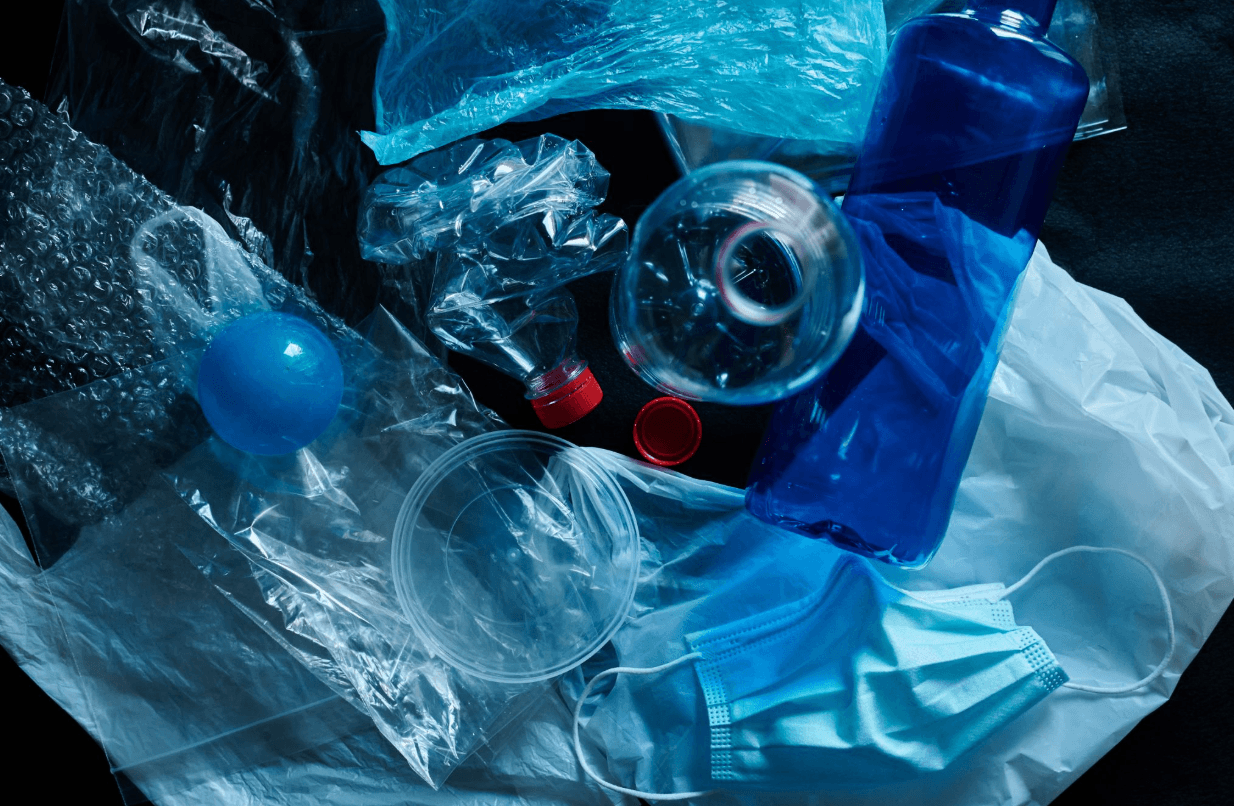
From the aisles of grocery stores to our favorite online shops, plastic is everywhere. We invented it, engineered it to be nearly indestructible, and perfected it into the exact form that opens a chip bag with a satisfying pop. Since its creation, the message of what to do or what not to do with plastic has become unclear. We were told to recycle it, then to use less, then—wait—some plastics aren’t recyclable at all. Now, it’s toxic? So where does the clarity actually lie?
“Paranoid plastic people,” those who preach about microplastics, endocrine disruptors and clean living. It’s easy to roll your eyes. But in the Netflix documentary The Plastic Detox, environmental and reproductive epidemiologist Shanna H. Swan, Ph.D., makes a case that’s hard to dismiss. Directed by Louie Psihoyos and Josh Murphy, the film follows six couples with unexplained infertility as they spend three months stripping plastic-related chemicals out of their daily lives. Based on Targeting Plastic Exposure in Infertile Couples: A Pilot Intervention Study, several couples experienced drastic declines in their chemical levels, with BPA becoming undetectable in many of them. By the end, the story leaves you frightened by what plastic has done, inspired by the people working to make changes, and hopeful—because with commitment to the detox, three couples got pregnant.
But it’s not even the whole story. There’s a lot more to unpack about plastic.
Plastic Doesn’t Just Harm the Earth it Harms Us
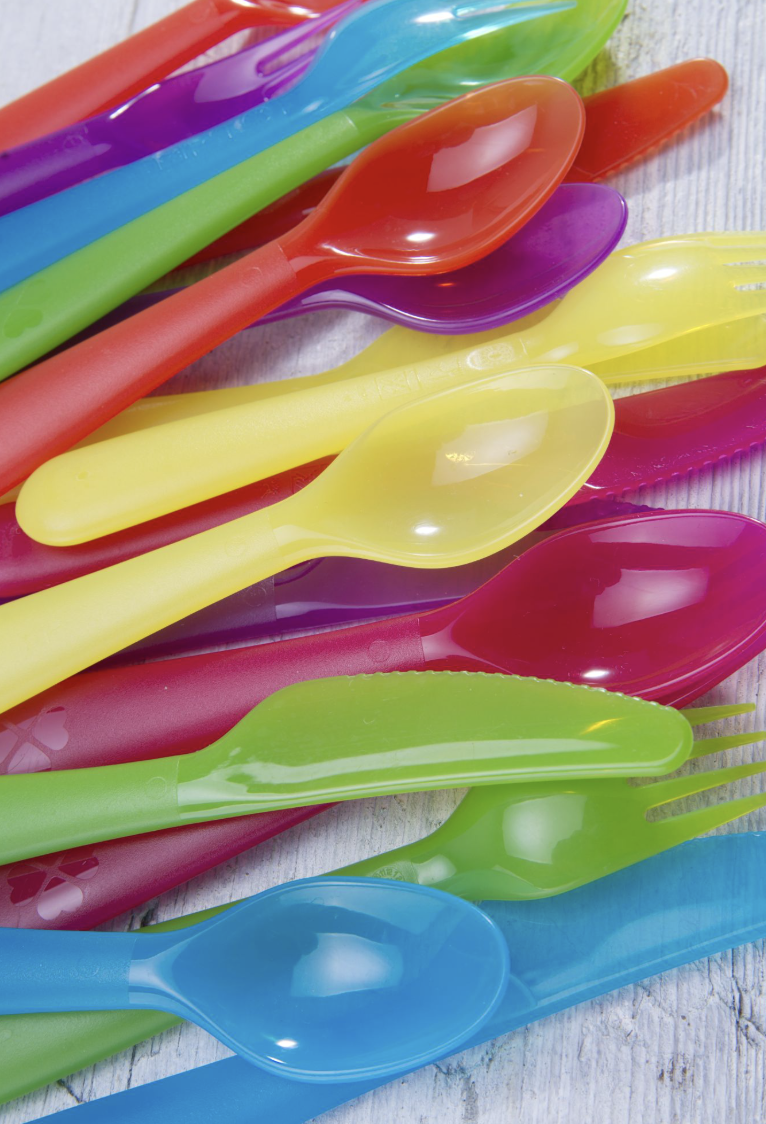
There is a spoon's worth of plastic in your brain (LaMotte). As lead researcher Matthew Campen says, “there's much more plastic in our brains than I ever would have imagined“(Nihart et al.). And the amount is rising: brains sampled in 2024 held about 50% more plastic than those from 2016.
So how does plastic get into the brain? The bigger problem isn't the plastic itself, but the chemicals attached to it. Two do most of the harm: phthalates, which soften plastic and make scents last, and bisphenols like BPA. Both are endocrine disruptors, interfering with the body's hormones. The documentary links them not only to the fertility crisis but to rising cancer rates, early heart attacks, and even strokes (Oceanic Preservation Society). Many are also “obesogens“ chemicals that push the body to store fat (Dalamaga et al.).
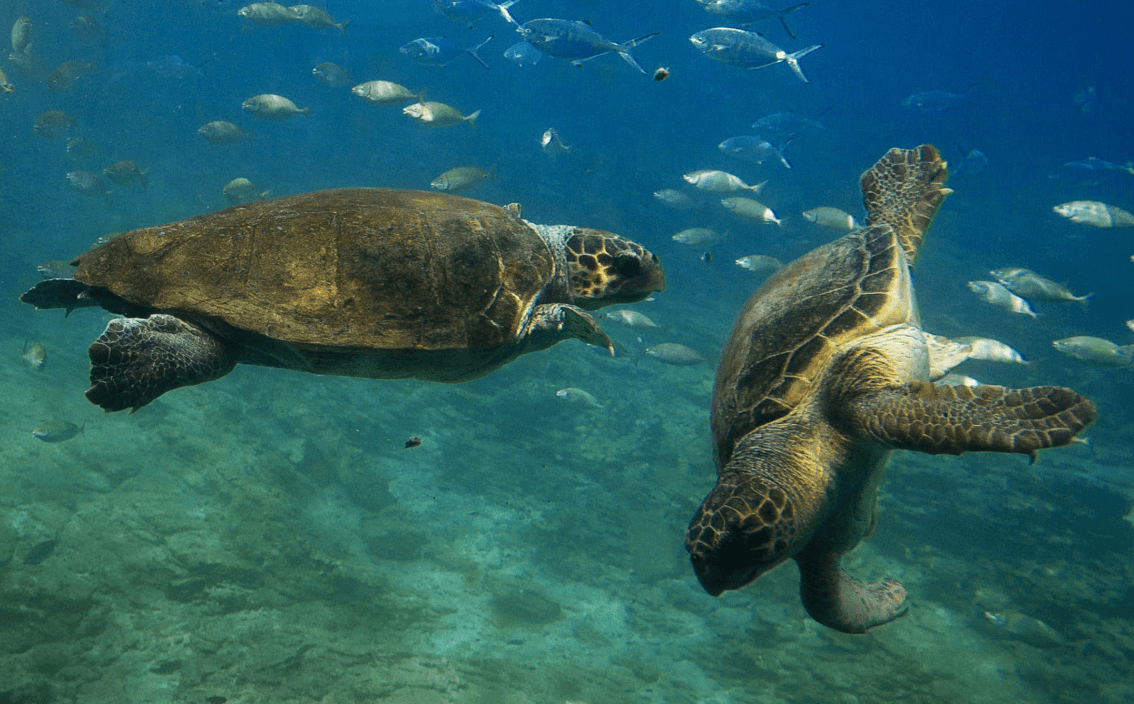
This is the part we keep missing. Plastic pollution isn't just about “Saving the Turtles“ and overflowing landfills. It's in our blood, our hormones, and our brains. It's about us.
What Businesses are Burying

Businesses don’t want to kill their customers
“Cancer Alley.“ An 85-mile stretch of the Mississippi between Baton Rouge and New Orleans, lined with roughly 200 petrochemical plants that process about a quarter of the nation's petrochemical products (DeCarlo, qtd. in “Shocking Hazards“). These are the raw materials of the plastic economy, which is exactly what businesses don't want consumers to see. But someone is breathing these chemicals—and they're disproportionately Black and low-income.
The cost shows up in the data. Research from Johns Hopkins University found that cancer risks in these communities run up to 11 times higher than U.S. Environmental Protection Agency models estimated (LaMotte / “Shocking Hazards“). This is probably because those models rely on emissions data the companies report about themselves. And the harm cuts deeper. As Reverend Lennox Yearwood Jr. says in the film, the fossil fuel industry is “literally looking to build plants on former plantation sites,“ a choice that shows “they don't care about humanity“ (The Plastic Detox).
Behind the statistics are names. As Sharon Lavigne, a world-renowned environmental justice activist, drives past the plants, she lists the friends, family, and neighbors who lost their battles to cancer. And yet, Yearwood reminds the audience “chemists aren't out to poison the world, and companies know that killing your customer base is bad for sales.” So how does this keep happening?
The answer is in the gap. Cut back to the study, where a participant unboxes clothing from a brand that sells itself on all-natural materials, only to find the garments folded into plastic bags. Now picture those bags heating up in a delivery truck, chemicals seeping into the fabric. Even if the fabric itself is natural, it doesn't arrive that way. That distance between what a brand says and what it does, what it shows and what it hides, is exactly how plastic production stays on track to climb roughly 70% by 2040 (OECD).
Green Chemistry

So how do we close the gap between intention and action? One answer featured in the documentary comes from a chemist named Dr. John Warner, widely recognized as a co-founder of the field of green chemistry.
Green chemistry is the design of chemical products and processes that reduce or eliminate hazardous substances from the start. Instead of inventing something first and dealing with the toxic fallout later, you weigh the harm at the drawing board, prioritizing prevention over cleanup. Warner and Dr. Paul Anastas laid out the framework in their 1998 book Green Chemistry: Theory and Practice, breaking it into 12 guiding principles that have since shaped how chemists around the world learn, work, and teach.
For Warner, green chemistry is the discipline he wishes he'd had. In the documentary, he speaks about losing his child, and the grief that made him wonder whether something he'd touched in the lab had harmed his own family. That question became his life's work. He went on to co-found the nonprofit Beyond Benign with Amy Cannon, the first person in the world to earn a Ph.D. in green chemistry, to teach the next generation of chemists to build with intention from the very beginning.
The discipline gives chemists a way to understand the impact, so when a factory adopts their compound, it isn't catastrophic. Intention, built into the design, becomes action at scale. This is proof that the gap can close, if we decide to close it.
What to Prioritize this Plastic Free July
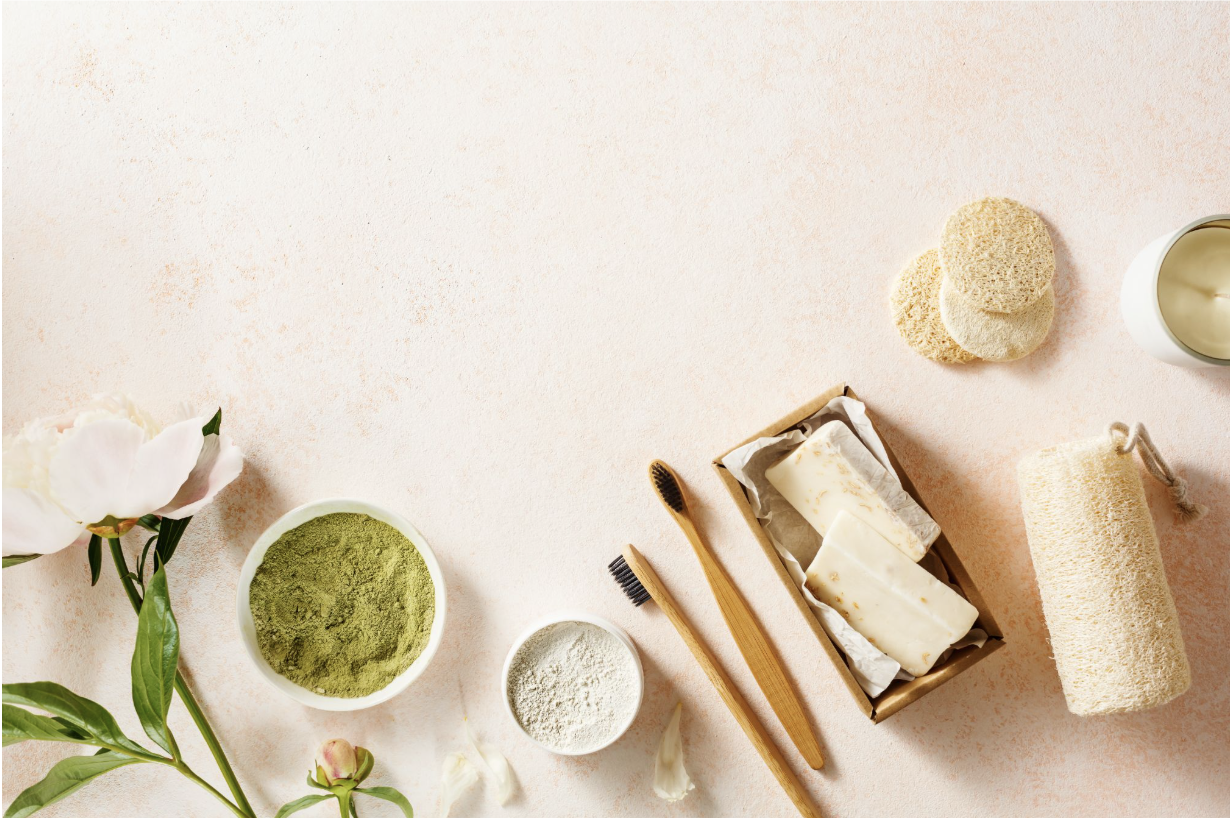
If you've started Plastic Free July, you've probably realized it's nearly impossible to cut out everything. That's the point…and the catch. Individual swaps matter, but they only go so far when plastic is designed into nearly everything we buy. So this list runs two ways: what consumers can do, and what the brands should implement. Ideally, the gap will start to close when both sides move together.
Personal care:
On consumers: Dr. Swan flags lotions, makeup, and creams, especially fragranced or colored ones as common carriers of endocrine-disrupting chemicals. Your skin is the largest organ on your body and can absorb more than 60% of what it touches (Pozirekides). Keep the health-necessary items and cut back on the elective ones.
On brands: This is exactly where refill and reuse win. The public increasingly expects companies to offer refill and reuse systems, and beauty and personal care is leading the way. Shifting shampoo, lotion, and cleansers to refill pods, concentrates, and bulk cuts plastic at the source (Grounded).
Food and beverage packaging:
On consumers: Buy unpackaged where you can, and never heat food in plastic. Microwaving allows for the chemicals to absorb in your food, so reach for glass, ceramic, or stainless steel instead (Pozirekides).
On brands: Reduce, Reuse, Recycle—and Rethink. The strongest brands start by eliminating unnecessary plastic outright, then move customers to refills and returnable packaging before defaulting to recycling (Grounded).
Clothing and textiles:
On consumers: Polyester and nylon shed microplastic fibers, and many fabrics are treated with PFAS “forever chemicals.“ As an alternative, choose natural fibers like cotton, wool, linen, or bamboo for what sits against your skin (Pozirekides).
On brands: Get ahead of the science. As evidence on PFAS and other additives hardens, companies that phase out hazardous chemicals early will lead, and those caught waiting will lose trust fast (Grounded).
“Embracing sustainability in packaging and product design can ignite innovation, win customer loyalty, and ensure compliance with future (guaranteed) regulations. There will be challenges: costs, technical hurdles, the need to balance convenience with sustainability. But the cost of inaction, in environmental damage, in missed market opportunities, in eroded trust, is far greater“
- Paloma Jacome
Our Goal at Grounded
Netflix’s The Plastic Detox, recognizes that it all goes back to the gap between intention and action. When people are informed about what plastic does to their health, they become intentional and can create real change. But consumers can't buy what doesn’t exist. That means businesses have to meet that demand with products people can actually choose. “With 85 percent of consumers willing to buy sustainable products and only 25 percent of CPGs sold that way, brands are missing an enormous business opportunity to meet demand“ (Kronthal-Sacco and Whelan).
Close your intention–action gap.
If your investments in sustainability and social impact aren't translating into sales, growth or internal buy-in, we can help you identify the gap.
Consumers are learning every day and building more sustainable habits. So brands: stop greenhushing and start greenshouting. Say it louder, and prove it. There's a real advantage in doing so—and you don't have to do it alone.
The gap closes when money and mission stop competing. Revenue sustains the impact, the impact scales the partnerships, and the partnerships fund the next round. That's The Flywheel of Impact, and keeping it spinning is our job.
Scale revenue & impact.
Report on progress, tell your story, and scale your revenue and impact through social impact campaigns, CSR and strategic partnerships.
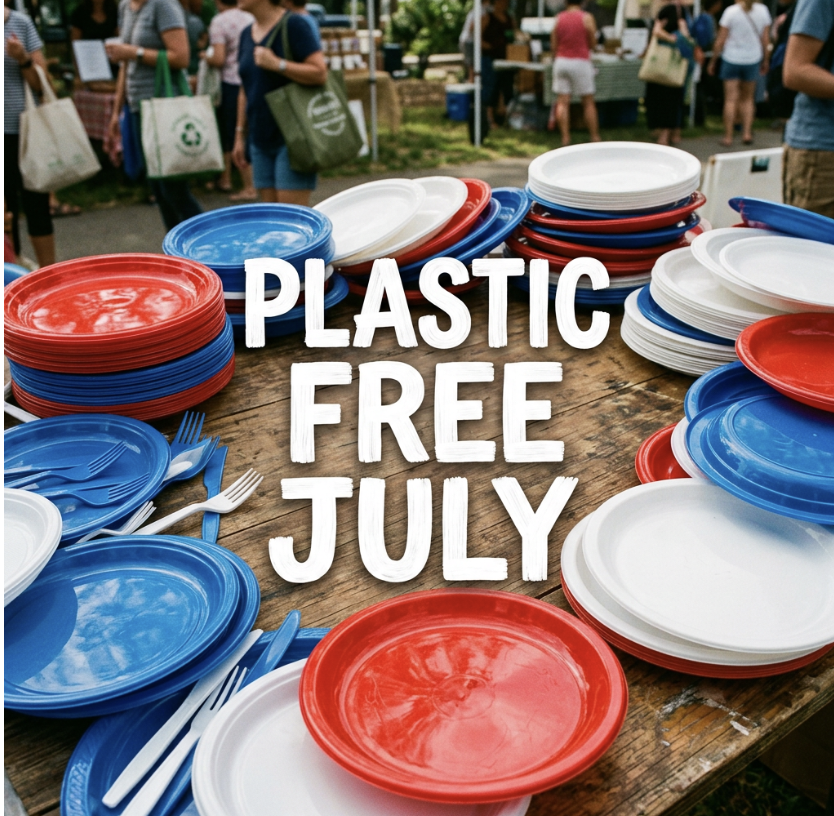
So this Plastic Free July, watch the documentary, make the swaps, and help close the gap between what we say we want and what actually shows up on the shelf.
That's our work.
Activating brands, accelerating impact.

%2520.png&w=3840&q=75&dpl=dpl_2nFYNB6e7FMwSBw276o8y1dn2YZ2)
%20.png&w=3840&q=75&dpl=dpl_2nFYNB6e7FMwSBw276o8y1dn2YZ2)