 Paloma Jacome
Learn About Composting Day: Composting as a Radical Act of Mental Health Through Circularity
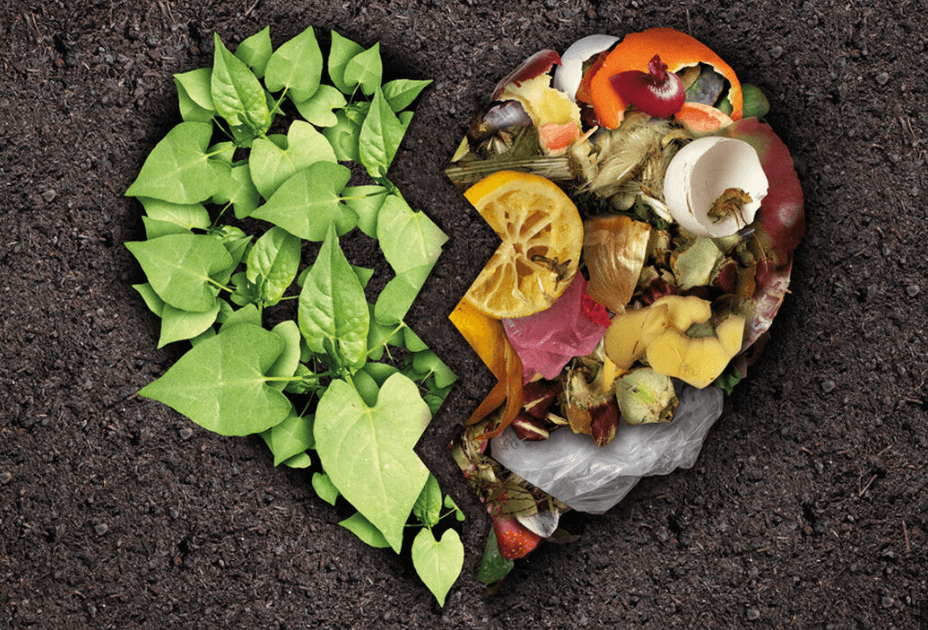
It’s May 29th– which means it’s “Learn About Composting Day”, my latest favorite observance. In honor of “Learn About Composting Day”, I’ve reflected on my own obsession with composting and realized that the process of is healing and satisfying. By taking the time and effort to go against the mainstream waste management style of just *throw throw throw *away- actively prioritizing organic waste for your own compost system is a radical act of resistance against contributing to landfills while also relieving psychological stress. Activities like gardening are known to provide mental health benefits, therefore composting is an activity that not only helps mental health but is also a circular activity. The results of composting are fruitful— in exchange for your ‘TLC’ you receive nutrient rich soil and the power of transforming waste into new life.
Composting 101
The #1 reason why everyone doesn’t compost is because composting is not easy. Composting is also not always immediately accessible. Otherwise, we would all benefit from learning how to compost and lead our own circular lifestyles. Composting is an art that can only be learned through hands-on experience.
There’s so many different ways to compost:
- Cold Composting
- Hot Composting
- Vermicomposting
- Bokashi Composting
- Trench or Pit Composting
- In-Ground Composting
- Tumbler Composting
- Aerated Static Pile Composting, and the list continues.
These are all DIY ways to compost but composting may also be supported by your local waste management systems such as MRFs (Materials Recovery & Transfer Facilities).
What is Green and Brown Matter in Composting?
To create a successful compost, it's crucial to understand the balance between green and brown matter. Both types of materials are essential, as they provide the necessary nutrients and structure for effective decomposition.
Green Matter
- Characteristics: Rich in nitrogen, moist, and often have a strong odor.
- Examples: Fruit and vegetable scraps, coffee grounds, grass clippings, garden trimmings, and manure.
- Role in Composting: Green materials provide the nitrogen needed for microbial growth and activity, which accelerates the decomposition process.
Brown Matter
- Characteristics: Rich in carbon, dry, and typically odorless.
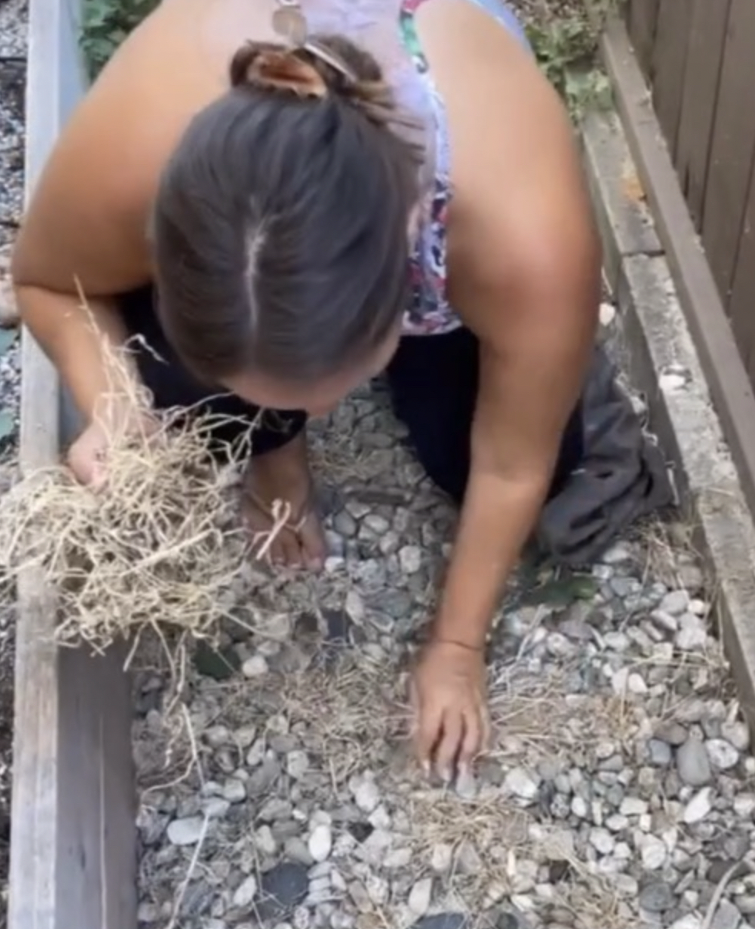
- Examples: Dry leaves, straw, wood chips, paper, cardboard, and sawdust.
- Role in Composting: Brown materials add carbon to the compost pile, helping to balance the nitrogen from green matter. They also provide aeration and structure to the pile, which is important for maintaining airflow and preventing odors.
Composting Tips
- Balance Greens and Browns: Aim for a balanced ratio, typically 2-3 parts brown to 1 part green. Adjust as needed based on the moisture level and smell of your compost pile.
- Size Matters: Chop or shred larger pieces of organic material to speed up the decomposition process. Smaller pieces have more surface area for microbes to work on.
- Maintain Moisture: Your compost pile should be as moist as a wrung-out sponge. Add water if it's too dry, or add more browns if it's too wet.
- Aeration is Key: Turn your compost pile regularly (every few weeks) to provide oxygen, which is essential for aerobic decomposition. Lack of oxygen can lead to unpleasant odors and slower composting.
- Temperature Control: For hot composting, monitor the temperature to ensure it stays between 135-160°F (57-71°C). This temperature range helps kill weed seeds and pathogens. If the pile is too cool, add more greens and turn it more frequently.
- Avoid Certain Materials: Do not add meat, dairy, oils, or diseased plants to your compost pile, as they can attract pests and cause odors. Also, avoid adding synthetic chemicals or treated wood products.
- Use Finished Compost: When your compost is dark, crumbly, and has an earthy smell, it's ready to use. Apply it to your garden beds, potted plants, or lawn to enrich the soil with nutrients.
By understanding the different methods of composting and the importance of balancing green and brown matter, you can create rich, nutritious compost for your garden while diverting waste from landfills and ultimately living a circular lifestyle.
Mental Health Benefits of Composting: A Sustainable Path to Wellness
Composting transforms waste into a valuable resource, and this sustainable practice has profound mental health benefits. Activities like gardening are well-known for providing mental health benefits, such as reducing anxiety, depression, and stress. As an integral part of gardening, composting extends these benefits by giving you a sense of purpose and accomplishment. The act of nurturing your compost pile, turning it, and watching it decompose into rich, fertile soil can be incredibly therapeutic.
Stress Relief through Composting:
Composting helps alleviate psychological stress by providing a productive and mindful activity. The repetitive and hands-on nature of this circular practice can have meditative effects, helping you disconnect from daily stressors and focus on the simple, grounding task at hand. Engaging with nature can lower cortisol levels, a hormone associated with stress, and promote overall well-being.
Empowerment and Control:
Managing your own compost system empowers you to take control of your waste and contribute positively to the environment. This sense of agency can boost self-esteem and reduce feelings of helplessness that often accompany environmental concerns— climate anxiety. By creating nutrient-rich soil, you not only enhance your garden's health but also experience a sense of achievement and satisfaction.
Circular Benefits:
Composting is a circular activity that emphasizes the principles of sustainability and regeneration. This closed-loop system reinforces a sense of connection to the natural world and the cycle of life, fostering a deeper appreciation for the environment and your role in its stewardship.
Community and Connection:
Joining or forming a community composting group can enhance your social connections and provide a supportive network of like-minded individuals. Sharing tips, successes, and even challenges can create a sense of belonging and collective purpose, further enhancing your mental health.
Tips for Maximizing Mental Health Benefits of Composting:
- Start Small: Begin with a small compost bin and gradually expand as you become more comfortable with the process.
- Set a Routine: Regularly tend to your compost pile, making it a part of your weekly schedule.
- Engage the Senses: Enjoy the sensory experiences of composting, from the earthy smell to the tactile feel of the soil.
- Celebrate Progress: Acknowledge the milestones in your composting journey, such as the first batch of finished compost.
- Connect with Nature: Spend time in your garden, using the compost you've created to nurture plants and observe the growth and transformation.
How I Started In-Ground Composting & Vermicomposting using Subpod
My own journey with composing began during my master’s program when I decided to get serious about living a circular lifestyle. As a beginner, I decided to invest in a compost system I was sure would work so I went with in-ground composting and purchased a Subpod compost bin.
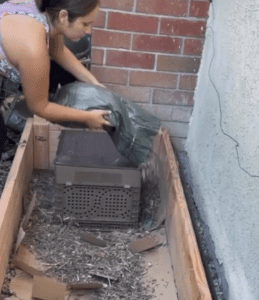 I even built my own garden bed to house the in-ground Subpod system which I layered with an abundance of brown matter and nutrients such as wood chips, minerals and finished compost. Not only is the Subpod a in-ground compost system but also a vermicomposting system, which means earthworms are involved to speed up the natural process of breaking down organic waste.
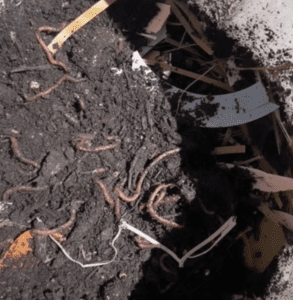
I was very excited about the worm part (for obvious reasons) but also because I remember how excited I would get while gardening with my mother and finding worms in the soil when re-planting. I bought about 500 worms from Uncle Jim’s Worm Farm and soon they became my favorite little pets I would tend to almost daily. Within weeks, I knew way more than the average person about worms and fell in love with watching my waste decay. The worms worked diligently day and night to eat away at my organic waste– no matter how much I added the pile would slowly but surely chip away. And that is what makes composting so rewarding.
Closing the Intention-Action Gap
We all aspire to live more “sustainably” but truly closing the intention-action gap starting small and in your own home. Composting is one of many circular practices you can integrate into your lifestyle that make a massive difference in the long-term. Although composting can be complicated, it is becoming more accessible especially thanks to the brands that are intentionally designing for circularity. More brands are aware that at-home composting is an increasingly popular method to product disposal and are designing products with organic materiality in mind. For example, brands that are opting for paper packaging of their products are supporting customers who compost because paper is brown matter that is biodegradable.
If only we all composted at home! Our home planet would be a lot less trashy.
Are you a brand seeking circular solutions to offer to your conscious customers? As a sustainability marketing agency, we help brands do just that and more. Get started with us today by creating your own roadmap with us.