 Paloma Jacome
Key Takeaways:
- Back-to-school is a rare, high-impact moment for purpose activation. With millions of families aligned in action, the season gives brands an authentic opportunity to bridge the intention–action gap through safer, sustainable, values-aligned school supplies.
- Affordability and safety shouldn’t be trade-offs. The current market is flooded with low-quality, toxic, single-use products—leaving students with the least access to safe, durable supplies and exposing a widening gap between brand promises and lived realities.
- Students are emerging as cultural drivers — and brands need to meet them there. Gen Z and Gen Alpha shape trends through identity, routine, and values. Purpose-led design, storytelling, and personalized supply bundles can make back-to-school shopping meaningful, relevant, and empowering.
- Modern back-to-school retail must blend convenience, education, and sustainability. From refillable and non-toxic products to eco filters, curated kits, and transparent e-commerce tools, brands can help families shop smarter while reinforcing long-term learning and environmental habits.
- Supporting teachers multiplies impact. Educators are stretched thin and often fund their own classrooms. Purposeful campaigns like BIC’s “Supply Closet” show how uplifting teachers builds trust, strengthens communities, and turns back-to-school into a culture-shaping moment—not just a shopping season.
- Curious how to activate your brand’s purpose? Explore our – How-To Guide for Activating Impact at Retail – designed to help you align mission, message, and momentum in ways that resonate and accelerate your impact.
Back-to-school season is the second-biggest retail event of the year, with U.S. shoppers projected to spend over $135 billion on supplies, clothes, and tech. But beyond the sales spikes and shopping lists, this season presents a rare, authentically actionable opportunity for brands to do better and purpose to be put into practice.
This is where intention meets action. Or at least, where it should.
For years, brands have claimed to care about students, families, and education. Yet, the market remains dominated by toxic, single-use, plastic-wrapped, low-quality school supplies. The intention to support education naturally is there but the action to close the gap on access to sustainable, safe school supplies often tells another story.
Throughout the student cycle, from kindergarten to college, the backpacks, notebooks, and lunchboxes students choose could reflect brand values around sustainability, equity, and welfare…but for too long, affordability has come at the cost of safety and impact. Parents are struggling to make ends meet, schools remain deeply underfunded, and everyday essentials like non-toxic pencils or plastic-free lunch boxes have become luxuries especially as prices reach historic highs with expectations to rise further.
Students, the very people these products serve, are often left with the least access to durable, safe, and sustainable school supplies. This creates an even wider gap between brand promises and student realities.
Activating brand purpose during the back-to-school season can create ripple effects far beyond the classroom: championing healthier, sustainable living, helping close the climate education gap, and contributing to a culture that sees education as a platform for problem-solving, inspiration, and impact. This is one of the few times a year when millions of families, educators, and students are aligned in action, so why not match that with purposeful brand behavior?
Don’t underestimate the influence of students and the next generation – our future is literally in their hands. The back-to-school season is a great chance to turn sustainability commitments into real, tangible choices in the marketplace and challenge a traditionally stale, outdated category to become culturally relevant again.
A Retail Reality Check
Each fall, U.S. families purchase over 100 million notebooks, 15 million backpacks, and billions of pens, pencils, and accessories. Many families are looking for supplies that offer a good price and real value for their money, making affordability a key factor in their choices. But behind the seasonal surge lies a critical challenge for retailers: the bulk of these items are wrapped in unrecyclable plastic, made with harmful dyes, and designed for short-term, single-use. In short, disposability has been normalized.
For retailers and big brands, this raises real questions:
- Are we prioritizing circularity?
- Are our products designed to last?
- Are we truly helping students succeed?
The back to school supply space remains a deeply unbalanced market. Families need affordable, high-quality gear. But what they’re offered is often cheap, synthetic, and unsafe. A generation of students sent to school with products that break easily, offer no long-term value, and pose lasting risks to health and planet.
This is the intention-action gap in action: brands that claim to help kids learn while peddling products that only cost more in the long run (and add no educational or environmental value).
Why Back to School is Your Brand’s Moment to Activate Purpose into Practice
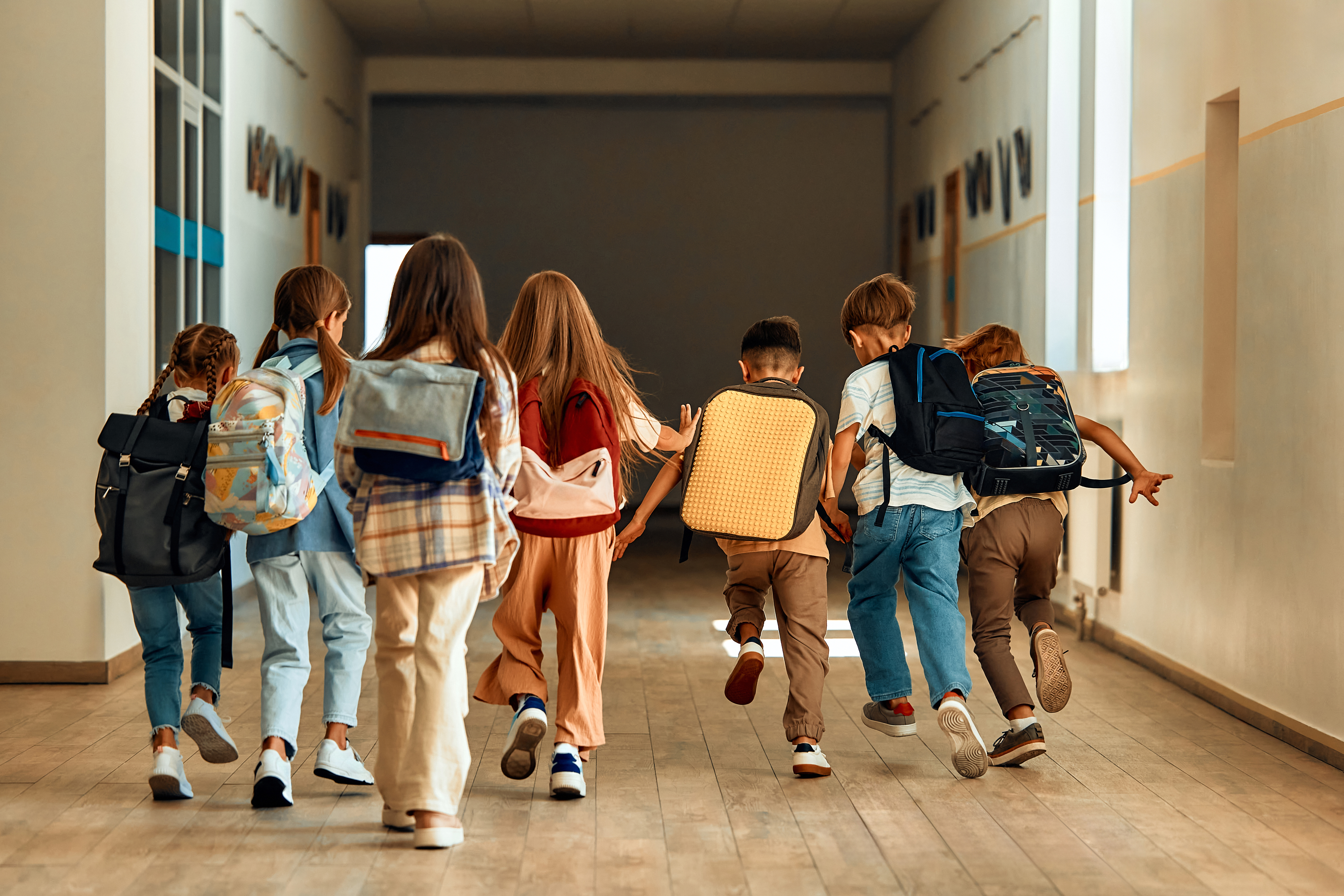
For marketing teams, the back to school season presents an opportunity to contribute to the culture.
Students are forming their identities. Parents are under extreme financial pressure. Educators are doing more with a lot less. And expectations for brands are rising.
Here’s how companies can show up with purpose:
- Offer curated, conscious bundles: Build collections that are safe, non-toxic, and built to last. Design them around realistic student needs (not fleeting pop cultural trends).
- Enable accessibility: Make it easier for families to access better products through pricing, partnerships, and distribution.
- Design for expression and impact: Students want gear that reflects their personalities and values. Don’t make them choose between style and sustainability.
At the same time, it’s important to remember that younger generations like Gen Z and Gen Alpha are already facing many intersecting challenges as they navigate their education, socializing and… life. You don’t need to poke fun at them or their struggles to connect with their parents. These digitally savvy, culture-driving consumers are more informed and engaged than ever before, shaping trends and values with every click and scroll. The real opportunity for brands lies in uplifting and inspiring these students (making school cool) through thoughtful products, platforms, and purpose-propelled experiences that resonate on a deeper level.
A New Back-to-School Campaign Checklist
If your team is getting ready to launch a back-to-school campaign, consider ditching the traditional playbook. The old checklist only scratches the surface. The new checklist asks better questions:
- Are our products helping students express themselves, not just consume?
- Are we offering non-toxic, safe, and sustainable options that are accessible to all?
- Can our campaign align with educational goals by centering learning, curiosity, and connection?
- Are we creating tools that encourage learning's lifelong impact?
- *Are we scaling support for teachers, classrooms, and families? *
Providing better back-to-school supplies isn’t about achieving 100% sustainability perfection. It’s about accelerating progress. Progress you can report, authentically market in an era of greenwashing, and celebrate all year round.
Turn the Checklist Into a Challenge
Your product teams have an opportunity to redefine what "back to school supplies" really means:
- Biodegradable notebooks and refillable pens
- Non-toxic markers and safer materials
- Durable, plastic-free lunchboxes
- Reusable water bottles
- Multi-purpose, modular kits designed for less waste
- Packaging that tells a sustainability story
And Staples takes it further in curating the sustainable school supplies experience by offering “shop by eco feature” helping parents quickly identify safer, plastic-free, or recycled products without the guesswork.
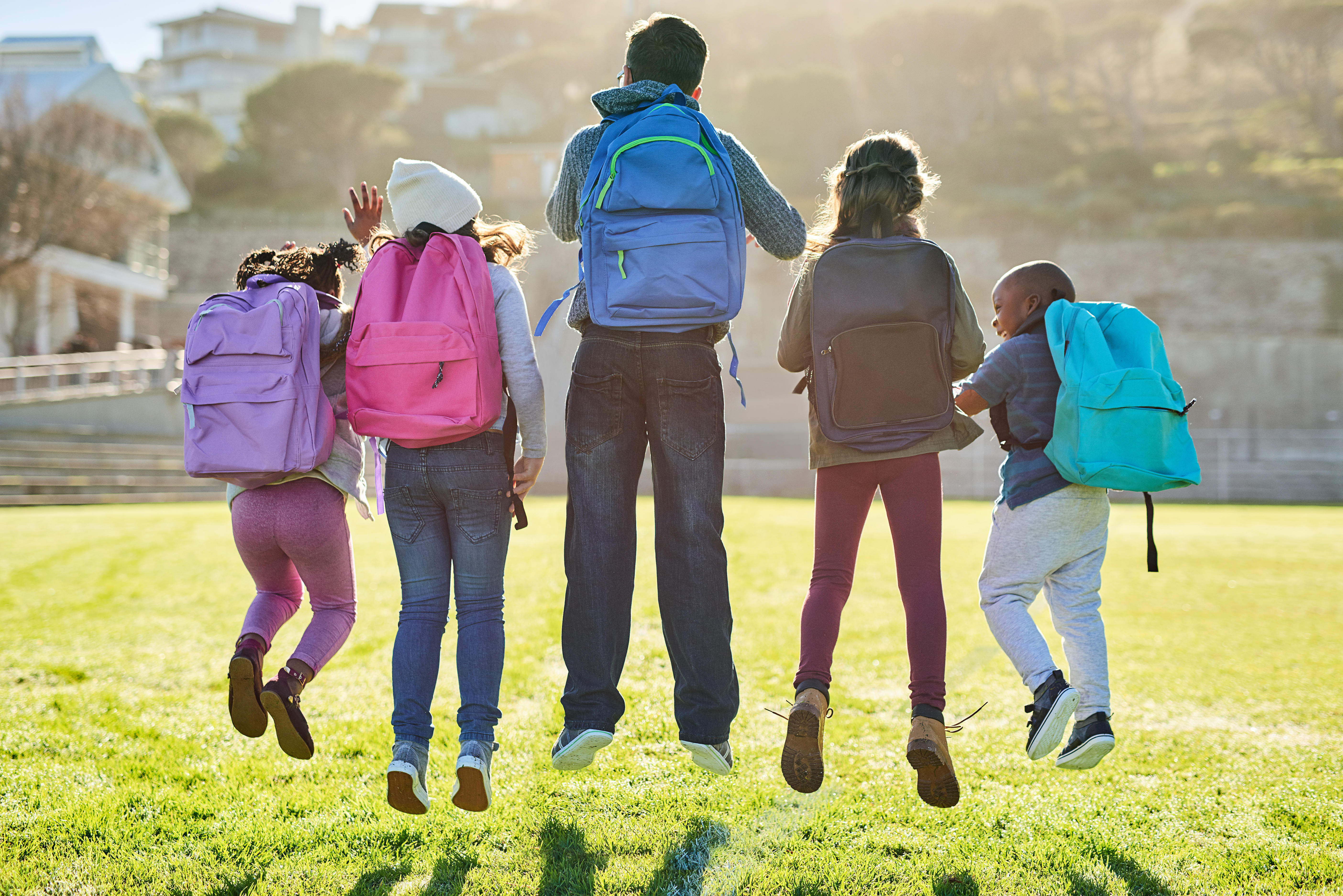
How Brands Can Modernize Back to School Shopping
The brands getting best-in-class for back-to-school season are those actively helping families navigate the overwhelm of endless options with confidence, clarity, and care. Today’s customers are more informed than ever and therefore want more than just products; they’re looking for quality, durability, affordability, sustainability and items that truly support student success.
Every student has distinct needs: some thrive with creative tools like colored pencils and markers, while others need specific notebooks, calculators, or organizational systems to stay focused and on track. Brands that curate collections tailored to different learning styles not only ease decision fatigue for parents but also make shopping feel more purposeful and personalized.
Online shopping is no longer a perk, it’s the expectation. Families managing multiple students value features like clear product descriptions, reviews, and bundled options that save both time and money. Bulk purchasing deals, subscription boxes for essentials, and transparent pricing with flexible returns can all build trust and drive repeat business.
But back-to-school shopping should go beyond convenience. Brands have a unique opportunity to infuse meaning into the process by integrating educational and values-based content. For example, showcasing how refillable pens reduce waste or how non-toxic markers support younger students’ health allows families to make informed decisions.
Even more powerfully, brands can tap into something deeper: the daily rituals that define today’s student culture. Retailers can align their offerings with the ritual-driven behavior young shoppers already embrace. Gen Z and Gen Alpha are obsessed with routines, whether it’s skincare, study schedules, mental wellness practices, or productivity hacks.
So, what if back-to-school shopping wasn’t about mindless consumption but about building meaningful routines for the modern student? What if students reached for tools that aligned with their identity, their goals, and their values with products that made them feel proud, prepared, and powerful?
Retailers can rise to the occasion by designing supply bundles with built-in storytelling. Think: eco-conscious “morning routine” kits, or lunchboxes that reduce plastic waste, paired with notebooks that help reforest the planet.
By anticipating evolving consumer needs and meeting students where they already are (inside a culture of intention and routine) brands can transform the back-to-school experience from a chaotic checklist into a joyfully ritualized reset. One that prepares students for the school year ahead and a lifetime of empowered choices.
Celebrating Teachers: The Unsung Heroes of Back to School
Teachers have been stretched thin. Classrooms are overcrowded, wages are stagnant, digital learning has left unprecedented gaps, and now, rising prices mean teachers are paying even more out of pocket for the most basic back-to-school supplies.
Support them in ways that matter:
- Include teacher wish lists in campaigns
- Create easy-to-share donation kits
- Fund classroom resources or partner on educator-led campaigns
When you back teachers, you back students. And when you back students, you build trust with families.
Case in Point: BIC's Back To School Supply Closet
Another Best-in-class example of an impactful back-to-school campaign comes from BIC. BIC’s Back To School Supply Closet, a collaborative campaign in partnership with the Kids In Need Foundation and featured Abbott Elementary star Lisa Ann Walter who plays fan-favorite teacher Mrs. Schemmenti. In NYC, BIC hosted a school-themed pop-up where teachers could access free, high-quality back-to-school supplies. Educators who showed ID were granted access to a secret “teachers only” closet stocked with BIC’s best tools: refillable pens, break-resistant pencils, eco-friendly gel pens, and more.
The activation recognized that teachers shouldn’t have to crowdsource basics like pens and notebooks just to do their jobs.
And the impact extended far beyond the event:
For every $1 donated to the Kids In Need Foundation, $24 worth of supplies were distributed to under-resourced schools, helping classrooms across the country thrive.
How to Lead Back-to-School Campaigns That Inspire, Give Back, and Stick
Make a creative impact.
See what making a creative impact looks like with some award-winning case studies from the Grounded team.
Sustainable school supplies are just one piece of the puzzle. Modern families (and especially Gen Z and Gen Alpha) want to see brands show up as real stakeholders in education and community success. They care about more than what’s in their backpacks; they care about *who *put it there, how, and why.
Here’s how to make it matter:
- Make the impact tangible: “Buy one, give one” models that support underserved students still work but the execution matters. Make it specific. Make it local. Make it real. Don’t just say “supplies will be donated” show how through the schools, the students, and the story.
- Activate the power of community: Co-host donation drives in stores with teachers or youth leaders as partners. Bring in students to volunteer.
- Elevate retail into ritual: Gen Z and Alpha are finding joy in building healthy routines. So why not embed educational empowerment into that cultural habit? Back-to-school shopping is a chance to build positive rituals around learning, creativity, and sustainability.
- Let students co-design the solutions: Partner with youth to shape product lines, create content, or reimagine the student experience. No one knows what’s needed in a backpack or a classroom better than the students who use them. Invite their voice in.
- Don’t ignore pop culture: The intersection of school and media is powerful. Just look at how BIC tapped into Lisa Ann Walter (who plays a teacher on popular TV show, Abbott Elementary) to front a back-to-school campaign. In addition to celebrity appeal, it was a cultural shorthand for credibility and care.
- Add frictionless tools for good: Integrate sustainability filters, eco badges, and climate-labeling tech into your e-commerce experience. Help families shop better with less effort. Information = empowerment.
- Reframe cause-marketing as ecosystem-building: We’re past the point of just “raising awareness”. It’s more about growing long-term loyalty and creating value for every stakeholder particularly the next generation of changemakers.
Grounded in Retail, Responsibility & Results
As students, parents, and communities reset for the year ahead, it’s also when values and habits take root. That makes it one of the most powerful windows to connect brand purpose to everyday action.
At grounded, we help brands tap into that moment. We build retail campaigns that tell sustainability stories while making them felt, seen, and acted on. The kind that shows up in-store, in content, and in culture. The kind that closes the intention-action gap, without ever veering into greenwashing territory (we’re experts in avoiding greenwashing).
Curious what that looks like in practice? Check out this article where we break down how brands can leverage seasonal campaigns to close the intention-action gap in a way that’s real, responsible, and retail-ready.
Make a creative impact.
See what making a creative impact looks like with some award-winning case studies from the Grounded team.
Author:
Paloma Jacome
Paloma Jacome is content lead and Junior Strategist at Grounded. With over 8 years of experience at the intersection of business and sustainability, she has launched and led multiple ventures —including ECOAVSOLUTIONS, local sustainable audiovisual production company in Southern California— before bringing her entrepreneurial perspective to client work at Grounded. She holds a Bachelor’s in Entrepreneurship and a Master of Science in Entrepreneurship and Sustainable Innovation from Loyola Marymount University.
Paloma is also an active ambassador and city coordinator for the Los Angeles chapter of Top Tier Impact, organizing events that connect impact founders, investors, and sustainability professionals to collaborate on solving the most pressing challenges of our time.
As part of Grounded’s partnership with rePurpose Global, Paloma represented the agency in the Plastic Reality Project in India, an immersive program designed to experience the scale of plastic pollution firsthand and explore circular solutions addressing the crisis at its source. She is also recently certified in sustainability legislation and regulations for the fashion industry by the Sustainable Fashion School, strengthening her expertise in policy-driven transformation.
Paloma was a core co-author of Grounded’s debut white paper Policy to Profit: How New Rules Can Create Commercial Wins for Fashion—featured in Forbes—and continues to explore how circularity and regulation unlock commercial and societal value.
LinkedIn | paloma@grounded.world