
 Phil White
Updated by Matt Deasy, 2025.
Key Takeaways
- Sustainability in Holiday Shopping: Retail accounts for 25% of global CO2 emissions, and Black Friday's massive sales contribute significantly to waste and environmental impact. Choosing sustainable options is more important than ever.
- Ethical Brands Lead the Way: Companies like Tentree, Mercari, and SAVNT make green practices a priority.
- Consumer Shift: 74% of consumers, especially Gen Z, now prioritize sustainability and research ethical brands before making holiday purchases.
What is Green Friday?
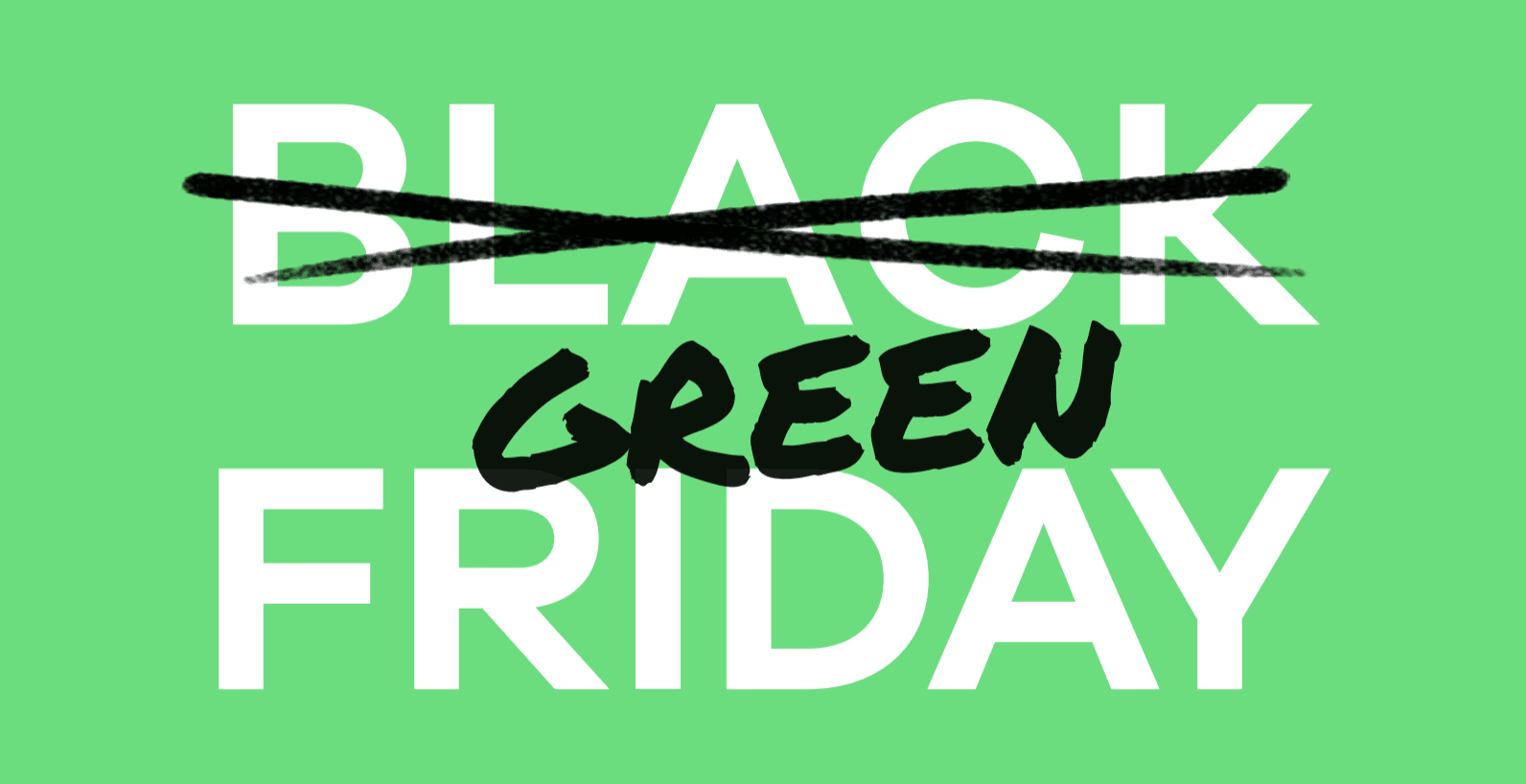
Green Friday has become a popularized alternative to Black Friday, providing a great way to shop for deals from sustainable brands during the holiday season. Green Friday offers eco-friendly deals as an alternative to traditional sales, focusing on sustainability and conscious consumerism. According to a recent MobiLoud article, about 200.4 million Americans shopped online or in-person during Thanksgiving weekend in 2023, with consumers spending an average of $321 on holiday-related purchases. How can we combat the environmental costs of the shopping Frenzy? Enter the sustainable alternative, Green Friday 2025.
The Green Friday movement was originally created to reduce impulse buying and raise awareness about the impacts of our shopping habits. The first version of this event was in Canada in 1992 and it was called “Buy Nothing Day.” Over recent years, green is becoming the new black. Green Friday is growing as an anti-consumerist movement, raising awareness of the negative environmental impact that this deal-grabbing behavior has on our planet. The environmental issues associated with planet Black Friday include increased waste, resource depletion, and pollution from mass shopping events.
Green Friday promotes mindful shopping as a response to overconsumption, encouraging consumers to make thoughtful, sustainable choices during the holiday sales season.
When is Green Friday?
This holiday season, Green Friday falls on November 28, 2025, offering a timely chance for consumers to reflect on the importance of sustainable values. It’s an opportunity to rethink their buying habits and prioritize eco-friendly, mindful choices over impulsive purchases, as consumers are encouraged to make sustainable and mindful choices on Green Friday.
The Growth of Green Friday Movement
In recent years, this environmental initiative has gained traction. A 2023 report from PDI revealed that 74% of consumers are concerned about the environmental impact of their purchases. Among them, nearly three-quarters (74%) of 18 to 24-year-olds actively research a brand’s sustainability practices before making a purchase. This trend clearly shows that younger generations, especially Gen Z, are influencing purchasing habits in a meaningful way. People are increasingly more intentional about the stores and products they support, prioritizing sustainability. Brands must recognize this shift in consumer awareness and adapt by offering greener options that resonate with the local community . Consumers and brands are also looking to share their sustainability values and support for Green Friday with others, helping to spread awareness of the initiative.
Why is Black Friday not Sustainable?
While lucrative for brands and retailers, Black Friday is not profitable for our planet. A report found that 80% of Black Friday purchases – and any plastic packaging they’re wrapped in – end up in landfills. In 2019, environmental activists blocked an Amazon warehouse near Paris in one of many protests against Black Friday. The French Parliament approved an amendment to regulate advertising around Black Friday with the aim of combating wasteful and compulsive consumption. Since then, 20% of French consumers prioritize eco-friendly and sustainable products.
The retail industry is responsible for 25% of global CO2 emissions annually, with Black Friday intensifying the problem. In fact, a report released the following year by U.K. price comparison website Money.co.uk is also a reminder that Black Friday is a climate menace. In 2020, British Black Friday home deliveries churned out 429,000 metric tons of greenhouse gas emissions—the equivalent of 435 return flights from London to New York (or, apparently, the same weight as 61,308 elephants). If Money.co.uk’s calculations were right, then that 429,000 ton figure comprised 0.12% of the Uk’s greenhouse gas output for a comparable year.
Free shipping also adds extra tonnes of carbon emissions and waste. And of course, this data fails to take into account the emissions created in the production of those goods, as well as in their use and their eventual disposal. In other words, the lifecycle of a product generates more emissions than its delivery to the end user. Moreover, shipping and deliveries of online orders account for up to 4% of the world’s carbon emissions. The majority of this comes from the Black Friday and Christmas shopping periods.
Waste also increases by 25% between Black Friday and the New Year here in the US. In fact, we throw away up to 80% of our Black Friday purchases after just one, or even zero, uses.
Turning Black Friday into Green Friday could have a massive impact for people and planet.
What Can I Do Instead Of Black Friday?
If you fancy taking a break from the retail holiday and cutting yourself—and the planet—some slack this week, here are a few things you can do instead.
- South Carolina challenges residents to #OptOutsideSC at the end of November, offering free admission to all state parks. Other states offering free entry this Green Friday include Minnesota and Washington.
- Colorado Parks and Wildlife encourages friends and loved ones to gather for #FreshAirFriday and head outdoors to enjoy the beauty of nature.
- Participate in Green Friday campaigns that support planting trees to help offset the environmental impact of shopping and promote sustainability.
Or in case you’d like to take things one step further, you can go plogging. (Plogging is a Swedish invention, meaning “jogging while picking up trash”.) Or you can plant a tree, join a forest or beach cleanup event, fund a cause you care about or just spend some quality time with your friends and family. All much better for you, your wallet, and the planet.
What are Brands and Retailers doing to Support Green Friday?
Well as you might expect……brands and retailers who are taking their triple-bottom-line commitments seriously have embraced the opportunity to present their shoppers with some more sustainable Black Friday alternatives. Here’s a few examples from last year.
- Mercari led the Green Friday initiative by promoting second-hand shopping through a sustainable fashion show that featured no new clothing, showcasing stylish looks created from pre-loved pieces sourced from brands like The North Face, Ragtag, and Circulable Supply. The show highlighted the beauty and value of reusing and upcycling, offering an alternative to fast fashion.
- In 2023, Rituals, a cosmetics brand, launched a campaign promoting product refills to help reduce waste. Each refill purchase contributed to tree planting and conservation efforts.
- Tentree celebrates Green Friday, where every purchase supports ethical and eco-friendly practices, including planting ten trees for each item sold. This initiative highlights the brand’s commitment to environmental regeneration, offering customers an opportunity to shop consciously. Additionally, for Giving Tuesday, the company donates 10% of sales to the Monarch Joint Venture, an organization dedicated to preserving the monarch butterfly population.

Mercari’s Green Friday Fashion Show (photo by Mercari)
Brands that Supported Green Friday in 2024
- SAVNT: Known for its stance against Black Friday, SAVNT encourages customers to repair their existing clothing rather than purchase unnecessary items. They collect damaged essentials, resell them, and donate the proceeds to charity.
- Dille and Kamille: For the third year in a row, Dille and Kamille step away from the retail holiday, closing both their physical stores and online store on Black Friday. They encourage their customers to spend time in their community and focus on having fun outdoors.
- AGood Company: They run a “Green November” campaign, during which they double their donations to charities. The campaign emphasizes making conscious purchasing decisions, encouraging customers to take their time throughout the month rather than rushing into a purchase they may later regret.
Community Involvement: How Green Friday Brings People Together
Green Friday is more than just an alternative to Black Friday—it’s a celebration of community, connection, and shared values. By encouraging consumers to support local retailers and sustainable brands, Green Friday transforms the holiday season into an opportunity for collective action. Many brands and local businesses join forces to offer holiday deals and promotions that not only provide great value but also benefit worthwhile causes, from environmental initiatives to local charities. This collaborative spirit helps reduce waste and promotes the use of sustainable products, all while strengthening the bonds within neighborhoods and communities.
As families and friends gather during the holiday season, Green Friday invites everyone to put their values into practice—whether that means shopping from ethical brands, volunteering together, or simply spending time in nature. By choosing to shop mindfully and support businesses that prioritize sustainability, consumers become part of a growing movement that’s making a real difference. The result is a more environmentally conscious, socially responsible community where every purchase and every action counts toward a greener future.
Education and Awareness: Spreading the Green Friday Message
At the heart of the Green Friday movement is a commitment to education and awareness. By shining a light on the environmental and social impacts of Black Friday shopping, Green Friday empowers individuals to rethink their shopping habits and make more sustainable choices. Through engaging social media campaigns, local events, and partnerships with businesses, the movement is reaching more consumers each year, inspiring them to consider the true cost of their purchases.
Community events and online resources help spread the word about the benefits of mindful shopping and environmental appreciation, making it easier for people to understand how their actions affect the planet. As the Green Friday movement grows, so does the collective knowledge and commitment to sustainability. By sharing stories, tips, and successes, the community is building momentum and encouraging others to join in, ensuring that the focus remains on making positive, lasting changes for both people and the planet.
Social Responsibility: The Broader Impact of Green Friday
Green Friday’s influence extends well beyond individual shoppers—it’s a movement rooted in social responsibility and a vision for a better world. By championing sustainable and ethical brands, Green Friday supports local businesses and helps reduce waste, fostering a healthier environment and a more resilient community. Every purchase from an ethical brand or local business is a step toward supporting fair labor practices, sustainable materials, and reduced packaging, all of which contribute to a more sustainable future.
The movement also encourages consumers to think about the broader consequences of their purchases, inspiring them to invest in worthwhile causes and environmental initiatives. As participation in Green Friday grows, so does its positive impact—from lowering carbon emissions and pollution to strengthening community ties and supporting those in need. By taking advantage of Green Friday, consumers and businesses alike can help create a more equitable, sustainable world, one thoughtful purchase at a time.
Overcoming Challenges: A Sustainable Alternative to Black Friday
While the Green Friday movement is gaining traction, it still faces challenges rooted in long-standing shopping habits and the allure of Black Friday’s deep discounts. Many consumers are used to seeking out the lowest prices and may not immediately see the value in choosing sustainable products or ethical brands. The culture of impulse buying and the pressure to snag a good deal can make it difficult to shift toward more mindful shopping.
Additionally, some people worry that sustainable products are more expensive or aren’t sure where to find brands that align with their values. To address these barriers, Green Friday advocates are working hard to raise awareness about the true benefits of sustainable shopping—not just for the environment, but for personal well-being and community health. By sharing practical ideas, resources, and success stories, the movement is making it easier for everyone to discover ethical brands, enjoy lower prices on sustainable products, and make purchases that reflect their core values. As more consumers and businesses join the conversation, sustainable choices are becoming more accessible and appealing, helping to break the cycle of overconsumption.
Measuring Success: How Do We Know Green Friday is Working?
As Green Friday continues to grow, measuring its success is key to understanding its impact and guiding its future. One way to gauge progress is by tracking participation—how many people are choosing to shop from sustainable brands, support local businesses, or manage their budget by reducing their consumption during the holiday season. Increases in sales and visibility for businesses that prioritize sustainability are also strong indicators that the movement is resonating with consumers.
Environmental metrics, such as the number of trees planted, the reduction in waste, and the overall decrease in carbon footprint during the holiday season, provide tangible evidence of Green Friday’s positive effects. Sharing these results within the community not only celebrates collective achievements but also inspires others to get involved. By staying true to the core values of sustainability, environmental appreciation, and social responsibility, the Green Friday movement continues to demonstrate that mindful shopping and community action can drive meaningful change for people and the planet.
Putting the ‘B’ in Black Friday
Over the past few years, many B Corps and other purpose-driven businesses have found ways to participate in Black Friday, Cyber Monday, and the myriad of other holiday festive giving seasons from Christmas to Valentine’s Day — but with a twist symbolic of businesses doing things differently.
There’s Green Friday — a startup designed to flip the narrative on the mass overconsumption that occurs during sales periods and encourage people to shop sustainably. This initiative presents a sustainable alternative to traditional retail events by giving citizens the opportunity to make more informed decisions about their purchases and support brands that align with their morals and values.
Since 2015, US-based outdoor co-op REI has closed their doors on Black Friday, choosing to #OptOutside over participating in the busiest in-store shopping day of the year and paying their staff to spend time in nature.
B Corps like Citizen Wolf are doing ‘Black Fri-dye‘ and “hijacking Black Friday to end disposable fashion for good by making it stupidly simple to love your clothes longer”.
Leading global second-hand luxury fashion platform Vestiaire Collective has mounted an advocacy campaign for ‘Better Friday’, banning fast fashion items from their platform and beginning to lobby for legislation around Extended Producer Responsibility. At the same time, they have announced a multi-year strategy designed to find practical solutions for recycling, upcycling, and constructively donating former fast fashion.
Of course, there’s the iconic ‘Don’t Buy This Jacket’ campaign from Patagonia over a decade ago, as well as B Corps like Clothing The Gaps who have run ‘Blakout Friday’ to support First Nations artists and activists with events.
If you’re interested in supporting B-Corps this Green Friday, check out our full list of B Corp gift ideas!
How Green Friday Aligns with the Circular Economy
- Promoting Longevity: This movement advocates for investing in high-quality, durable products rather than cheap, disposable items often seen during traditional sales events. By focusing on longevity, it helps reduce waste and encourages keeping goods in use for as long as possible.
- Supporting Re-Commerce: Encouraging the purchase of second-hand, refurbished, or upcycled products, this approach directly supports a circular economy. It reduces the demand for new production and helps keep products circulating, lowering overall environmental impact.
- Reducing Overproduction: Green Friday aims to reduce the overproduction typical of Black Friday. Instead of fueling mass consumption, it encourages people to make more thoughtful, sustainable choices, protecting the planet from the excess waste generated by overproduction.
- Changing Shopping Habits: The emphasis on shifting focus away from impulse buying and short-term trends, encourages consumers to prioritize intentional purchases. By fostering a deeper connection with the items they buy, people are more likely to invest in products that align with their values, leading to lasting changes in consumption patterns that benefit both individuals and the planet.
Q&A: Green Friday and Sustainable Shopping
What are some common misconceptions about Green Friday?
“It’s just about skipping the sales and stop shopping”
Green Friday is not simply about stopping shopping altogether. It’s about being more eco-conscious in how you shop. You can choose to buy from environmentally responsible businesses or opt to skip shopping for the day; the focus is on reducing environmental impact and promoting sustainability.
“Green Friday is too expensive”
You don’t need money to participate in Green Friday. Whether you choose to support small businesses, buy fewer but higher-quality items that last longer, or take the day off to enjoy a nature walk with family, it’s all about shifting your mindset. The focus is on aligning your actions with your values—prioritizing mindfulness, meaningful gifts, and experiences over excessive consumption.
How can Green Friday be incorporated into holiday traditions?
There are many opportunities to incorporate Green Friday into your holiday traditions:
- Gift with Intention: Consider handmade or upcycled gifts. Not only are they better for the planet, but they also add a personal, meaningful touch!
- Reduce Focus on Materialism: Instead of overbuying, try focusing on family activities like hiking, volunteering, or spending quality time together. These experiences create lasting memories without the environmental cost.
- Eco-Friendly Celebrations: Host a sustainable holiday gathering by using reusable decorations, choosing locally sourced foods, and encouraging guests to bring zero-waste gifts. A celebration that’s good for the planet and your community!
Is Green Friday just a trend, or is it a lasting shift in consumer behavior?
The growing focus on sustainable shopping, particularly among Gen Z, suggests that Green Friday could be here for good. This generation is increasingly prioritizing eco-friendly and ethical choices, which could lead to lasting interest in alternatives to traditional shopping events like Black Friday. If brands continue to align with these values, the movement toward more mindful consumption may continue to grow.
If you enjoyed this article and want to explore more of our thought leadership, sign up for our newsletter!