

 Matt Deasy
Key Takeaways:
- Retail activation transforms physical retail spaces into immersive brand experiences that engage customers, drive sales, and create lasting impressions beyond what traditional advertising achieves.
- Effective retail activations blend an experiential marketing strategy with strategic objectives, using interactive elements and sensory experiences to increase brand awareness and boost sales while delivering measurable business outcomes.
- Purpose-driven retail activation strategies authentically communicate brand values through in store experiences, turning shopping moments into opportunities for meaningful connections with your target audience.
- Successful in store brand activation requires careful planning around key performance indicators, from foot traffic and social media engagement to consumer insights and repeat purchases.
- Best retail activations integrate technology, community building, and sustainability storytelling to create memorable brand experiences that generate social media buzz and customer loyalty.
- Retail activation campaigns deliver competitive advantage when they align authentic brand engagement with customer experience goals, making your brand's story tangible at the point of interaction.
In a Brooklyn grocery store last spring, shoppers encountered something unexpected between the organic produce and dairy aisle: a living wall of herbs growing under LED lights, each plant tagged with the farm coordinates where the store's fresh herbs originated.

Customers could scan QR codes to meet the farmers, understand regenerative growing practices, and even order seedling kits to grow the same varieties at home. The installation wasn't just aesthetically striking—it transformed a commodity purchase into a story about food systems, created photo opportunities that drove social media mentions, and increased herb sales by 340% during the activation period.
This is retail activation at its most effective: taking retail space that typically functions as transaction venue and reimagining it as experience destination. According to Eventbrite research, 78% of millennials prefer spending money on experiences rather than material goods, a shift that has fundamentally altered how brands must think about retail presence. The store is no longer merely where products are sold—it's where brand values become tangible, where abstract purpose transforms into sensory reality, where customers become participants in your brand's story.
For purpose-driven organizations, retail activation represents strategic opportunity and creative challenge.
The opportunity: retail environments allow sustainability commitments to be demonstrated rather than claimed, experienced rather than explained.
The challenge: creating impactful retail activations that authentically communicate purpose without feeling performative, that drive meaningful engagement alongside business metrics, and that work within the operational constraints of retail partners.
Understanding Retail Activation as Brand Strategy

Retail activation is the practice of creating dynamic, experiential interactions within retail spaces that bring brands to life, engage customers emotionally, and drive specific business outcomes. Unlike static merchandising or traditional point-of-sale marketing, retail activations transform passive shopping into active participation. They create moments worth remembering, worth sharing, worth returning for.
The concept emerged as brands recognized that retail space could function as more than distribution channel. In an era when e-commerce offers superior convenience and selection, physical stores survive by offering what digital cannot: immediate sensory engagement, social interaction, serendipitous discovery, and the ability to touch, test, and experience products before purchase. Retail activation strategies leverage these inherent advantages while addressing the experiential expectations that now define consumer engagement.
Not all retail activations are created equal. Product demonstrations at Costco drive impulse purchases but rarely create lasting impression. Pop-up installations that look striking but lack substance generate social sharing without meaningful connections. The best retail activations balance multiple objectives: they increase sales while building brand loyalty, they create shareable moments while communicating authentic brand identity, they drive foot traffic while gathering valuable consumer insights that inform future campaigns.
Research from Forrester makes a simple point: people don’t stay loyal to brands because of price or convenience alone—they stay because of how those brands make them feel. In retail, that shifts the focus from just selling products to creating experiences. When stores give people something to engage with—something memorable, intuitive, even enjoyable—it changes how they shop. They linger longer, notice more, and come back more often. The impact isn’t just emotional; it shows up in behavior, in repeat visits, and in the quiet decision to choose the same brand again.
Strategic Framework for Retail Activation
Building effective retail activation strategies starts with clarity about objectives.
*Are you launching a new product line that needs trial and awareness? *
*Seeking to reposition an existing brand with new target audiences? *
*Trying to drive foot traffic to underperforming store locations? *
*Aiming to increase brand awareness in competitive markets? *
Different goals require different activation approaches, and attempting to achieve everything through a single retail activation campaign typically delivers disappointing results across all metrics.
Purpose-driven brands add another layer: values alignment. Your retail activation must authentically express your brand's identity and commitments, not just borrow experiential tactics from brands operating under different principles. If sustainability defines your positioning, the activation itself should model sustainable practices—materials used, waste generated, energy consumed, and messages communicated. Disconnects between stated values and activation execution undermine credibility faster than any positive impression the experience creates—requiring sustainability market research that reveals how environmental commitments translate into customer expectations.
Key strategies for successful retail activation include:
Sensory immersion: Engage multiple senses to create memorable experiences. Sight through visual design, touch through product interaction, sound through curated audio, scent through ambient aromatics, taste through sampling programs. The more senses activated, the deeper the memory formation and emotional connection.
Interactive participation: Move customers from observers to participants. Let them make something, customize products, compete in challenges, contribute to collective art, or engage in activities that require active choice rather than passive consumption.
Technology integration: Use digital tools that enhance rather than replace human connection. Augmented reality that visualizes impact, social media integration that amplifies reach, data capture that personalizes experience, or gamification that rewards engagement all work when they serve the experience rather than dominate it.
Community building: Create opportunities for customers to connect with each other, with brand representatives, with artisans or makers, or with beneficiaries of social programs. Retail activations become more meaningful when they facilitate human connection, not just brand interaction.
Storytelling depth: Every element should communicate your brand's story. The materials chosen, the people involved, the causes supported, the problems addressed, and the futures envisioned all become narrative devices that transform retail space into story environment.
Retail Activation Ideas That Drive Results

Hosting in store events remains one of the most versatile activation approaches. Workshops teaching skills related to your product category—cooking classes for food brands, repair clinics for sustainable fashion, gardening seminars for home and garden retailers—provide genuine value while positioning your brand as expert and educator. These events drive foot traffic, create opportunities for extended engagement beyond typical shopping duration, and generate content for social media and future marketing.
Product launches deserve activation thinking, not just promotional tactics. When Glossier opens temporary retail locations, they design spaces that function as physical manifestations of their digital community—Instagram-worthy design, opportunities to interact with products in unstructured ways, staff who engage as enthusiastic community members rather than sales associates. The activation creates immersive environment where the brand's identity becomes tangible, transforming curious browsers into passionate advocates—exemplifying brand activation at retail that brings purpose to life in shopping environments.
Free samples and product demonstrations become retail activations when executed with strategic creativity. Rather than simply offering tastes, create tasting journeys that educate palates while explaining sourcing practices. Instead of demonstrating features, invite customers to test products solving their actual problems. Patagonia's Worn Wear events, where customers bring damaged gear for free repairs while learning maintenance skills, exemplify activation that delivers immediate value, reinforces brand values around longevity and waste reduction, and deepens customer loyalty through authentic service.
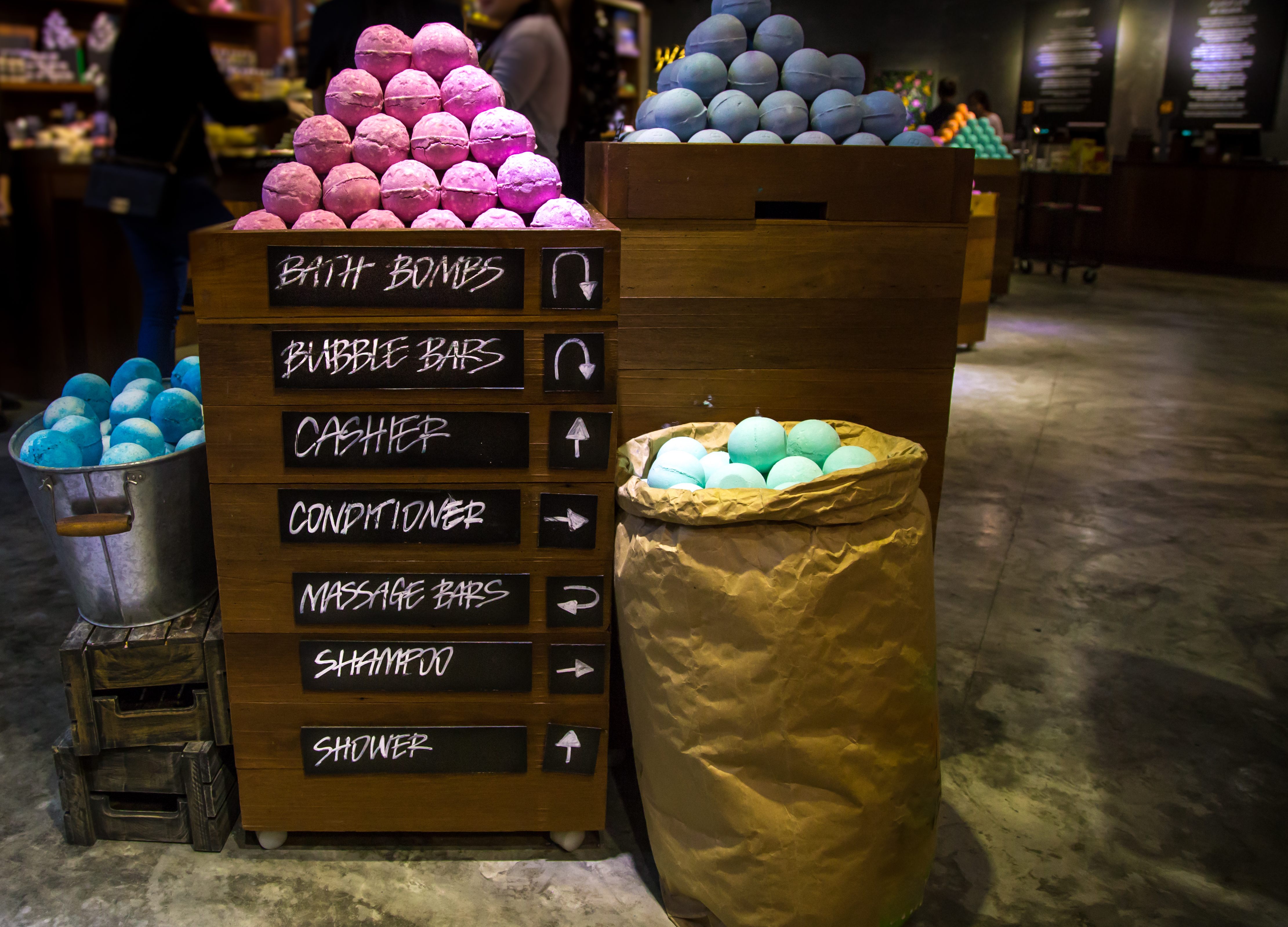
Interactive displays transform passive shelf presence into engagement opportunities. LUSH cosmetics creates in store experiences where every product can be touched, smelled, and tested. Staff demonstrate production methods and explain ingredient sourcing. The entire retail space functions as activation, making the shopping experience itself memorable rather than merely convenient. For consumer packaged goods brands with limited control over retail environments, even small interactive elements—QR codes revealing supply chain stories, package designs encouraging customer creativity, or displays inviting comparison testing—can create meaningful engagement within constraints.
Harvard Business Review research on experiential marketing confirms that retail activations incorporating educational elements generate stronger brand engagement than purely entertainment-focused approaches. Customers appreciate learning something useful, gaining skills that extend beyond the purchase moment. Purpose-driven brands can leverage this by making their sustainability commitments educational: show how regenerative agriculture works, explain circular economy principles, demonstrate repair techniques, or teach waste reduction strategies. Education becomes activation when delivered engagingly within retail environments.
Technology and Retail Activation Innovation

Virtual reality and augmented reality create possibilities for retail activation that were science fiction a decade ago. IKEA's AR app allowing customers to visualize furniture in their actual spaces before purchase reduces returns while making the in store experience more confidence-inspiring. Sustainable fashion brands use virtual fitting rooms that reduce physical inventory needs while personalizing the shopping experience. These technologies work as activation tools when they solve real customer problems rather than existing merely for novelty.
Social media integration amplifies retail activation reach beyond physical attendees. Create distinctive visual elements that encourage social sharing—Instagram-worthy installations, branded photo opportunities, shareable moments that tell your story while customers tell theirs. Build in incentives for social media engagement: contests requiring posts with specific hashtags, community contribution walls displaying customer images, or augmented reality filters that work only in store. Each social media mention extends your activation's impact exponentially.
Data collection through activation experiences provides valuable consumer insights when handled transparently. Interactive surveys, preference indicators, contact information for follow-up communications, and behavioral data about what elements attracted most attention all inform future campaigns and product development. The key is offering clear value exchange: customers share information because the personalization or benefits received justify the disclosure. Purpose-driven brands must be especially thoughtful here, ensuring data practices align with stated values around privacy and respect.
Real-time feedback gathered during retail activations offers advantages over traditional market research. Watch what actually captures attention versus what people say they care about. Notice where customers hesitate, what questions they ask, what comparisons they make. Train activation staff to be ethnographers observing authentic behavior in natural contexts. These insights often reveal opportunities or obstacles invisible in focus groups or surveys.
Creating Memorable Brand Experiences Through Experiential Events

Experiential events take retail activation beyond the store itself, using retail space as launching point for broader brand engagement. Nike's running clubs that meet at retail locations, then explore neighborhoods together, create community around shared activity rather than transactions. REI's "#OptOutside" campaign closing stores on Black Friday to encourage outdoor recreation aligned brand values with memorable action, generating massive social media buzz while reinforcing brand identity more effectively than any advertisement could.
The local community becomes both audience and co-creator in the most impactful retail activations. Partner with neighborhood organizations, feature local artists, support causes that matter to your customers, or create activations that improve the community beyond brand benefit. When Brooklyn furniture company Floyd partnered with local environmental nonprofits for an e-waste collection event at their retail space, they demonstrated commitment to circular economy principles while attracting new customers who shared sustainability values.
Timing and context influence retail activation success significantly. Seasonal activations aligned with holidays or weather patterns feel natural rather than forced. New product launches create built-in news hooks that drive coverage. Cultural moments—awareness days, local festivals, industry conferences—provide relevance that standalone activations must manufacture. The best retail marketing campaigns consider competitive calendar, ensuring your event stands out rather than getting lost among similar timing from competitors.
According to Event Marketing Institute research, 74% of consumers say engaging with branded event marketing experiences makes them more likely to purchase promoted products. The mechanism is straightforward: positive experiences create emotional associations that influence purchase decisions. When those experiences authentically express brand values that customers share, the effect strengthens. Purpose becomes competitive advantage precisely because it provides substance for experiences to communicate.
Measuring Retail Activation Success
Key performance indicators for retail activation must balance quantitative metrics with qualitative insights. Track sales lift during activation periods, foot traffic increases, new customer acquisition, email list growth, social media engagement metrics, and press coverage. These numbers justify investment and guide resource allocation for future activations.
But numbers alone miss crucial dimensions. Customer testimonials reveal emotional impact. Staff observations capture behavioral patterns. Social media sentiment analysis shows how people actually talk about your brand. Long-term tracking determines whether activation attendees become loyal customers or one-time visitors. Brand perception studies assess whether activations shifted associations and awareness as intended.
For purpose-driven brands, measure impact alongside engagement. If your activation promotes sustainability, track adoption of behaviors encouraged: refill program sign-ups, repair service usage, recycling participation, or sustainable product purchases. If social impact drives your mission, measure awareness of issues addressed, donations generated, volunteer registrations, or partnerships formed. Purpose metrics demonstrate that activation delivers on values, not just business goals.
Comparative analysis across multiple retail activations reveals patterns about what works. Which activation ideas generated highest engagement relative to investment? Which retail activation strategies attracted target audiences most effectively? Which elements got shared most on social media? Which approaches drove sustainable behavior change versus temporary interest? Building institutional knowledge through systematic analysis transforms individual activations into organizational capability.
Retail Activation Examples From Leading Brands

Patagonia's Worn Wear program exemplifies retail activation aligned with brand purpose. By offering free repairs at retail locations and temporary pop-up events, hosting used gear swap meets, and selling refurbished products alongside new ones, they activate retail space in ways that reinforce their environmental commitments. The activations drive foot traffic while reducing waste, create community among customers, and demonstrate that their advocacy for buying less is authentic, not just marketing positioning.
IKEA's sustainable living shops-in-shops showcase how large retailers can create meaningful connections around impact. Dedicated retail spaces within stores feature products supporting circular economy, renewable energy, and sustainable materials. Interactive displays educate customers about lifecycle thinking. Product demonstrations show how sustainable choices work in real homes. The activation approach makes sustainability accessible and practical rather than aspirational and difficult.
Allbirds pop-up shops in major cities create experiential retail that educates while entertaining. Displays showing the sustainable materials used in shoe production—eucalyptus fiber, merino wool, sugarcane-based foam—let customers touch and understand innovation. Carbon footprint labels on every product make environmental impact transparent and comparable. Staff trained as sustainability educators answer questions about supply chains, certifications, and industry practices. The entire retail experience becomes activation communicating brand values through immersive environment.
Smaller brands often create the most innovative retail activations precisely because they have less to lose experimenting. Package Free Shop in Brooklyn turned their retail space into zero-waste demonstration center, showing how daily routines can eliminate single-use plastics. Every product serves as teaching tool, every shopping bag returned earns store credit, every customer interaction reinforces that waste reduction is possible and practical. The store itself becomes the activation, proving their model works through authentic operational practice.
Sustainability as Retail Activation Strategy
Purpose-driven retail activation requires ensuring the experience itself models the values it communicates. Use renewable energy to power lighting and technology. Choose reusable or compostable materials for displays and giveaways. Work with local suppliers to reduce transportation emissions. Design activations for disassembly and repurposing rather than disposal. Calculate the carbon footprint and offset unavoidable impacts. These operational choices validate sustainability claims through demonstrated commitment.
Research from NYU Stern's Center for Sustainable Business shows that sustainability-marketed products grew 7.1 times faster than conventional products from 2015-2019. This growth accelerates when brands demonstrate rather than merely claim sustainability. Retail activation provides the perfect vehicle: showing how products are made, who makes them, what materials they use, how they reduce impact, and how customers can extend product life or responsibly dispose creates tangible proof that builds trust.
The transparency that retail activations enable becomes competitive differentiator. Invite customers behind the curtain. Show the people and processes creating your products. Acknowledge challenges and uncertainties rather than claiming perfection. This vulnerability builds credibility because customers recognize that sustainability is complex, and brands willing to engage that complexity honestly are more trustworthy than those offering simple answers to complicated questions.
Community impact can be woven directly into retail activation design. Hire local artists to create installations. Partner with nonprofit organizations addressing issues relevant to your mission. Donate percentage of activation-period sales to community causes. Engage customers in collective action—contribute to a community mural, write letters to legislators, participate in local cleanups. These elements transform individual shopping into collective purpose, creating meaningful engagement beyond transactions.
Retail Activation Important for Brand Building
Retail activation drives brand awareness in ways traditional advertising cannot. Rather than interrupting attention to deliver messages, activations invite engagement on customer terms. The permission implicit in someone choosing to participate creates openness that forced exposure never achieves. This engaged attention translates to deeper processing, stronger memory formation, and more positive brand associations.
The lasting impression created by effective retail activations compounds over time. Customers who experience your brand in memorable ways become storytellers, sharing experiences with friends, family, and social networks. These organic endorsements carry credibility that paid promotion lacks. Each story told extends your activation's reach and reinforces brand identity through authentic third-party validation.
Brand loyalty develops through repeated positive interactions over time. Retail activations accelerate loyalty building by creating emotional connections in single encounters. When customers experience your values embodied, when they participate in something meaningful, when they feel seen and valued as individuals rather than demographic segments, they develop attachment that transcends product attributes and price considerations—applying the principles of shopper marketing that influence decisions at the moment of choice.
Grounded's brand activation expertise demonstrates that purpose and performance reinforce rather than conflict when retail activations are designed strategically. The key is ensuring authenticity: your activation must be natural extension of who you are as a brand, not borrowed tactics disconnected from operational reality. When alignment exists, retail activation becomes powerful expression of brand strategy, turning abstract purpose into concrete experience.
Future of Retail Activation
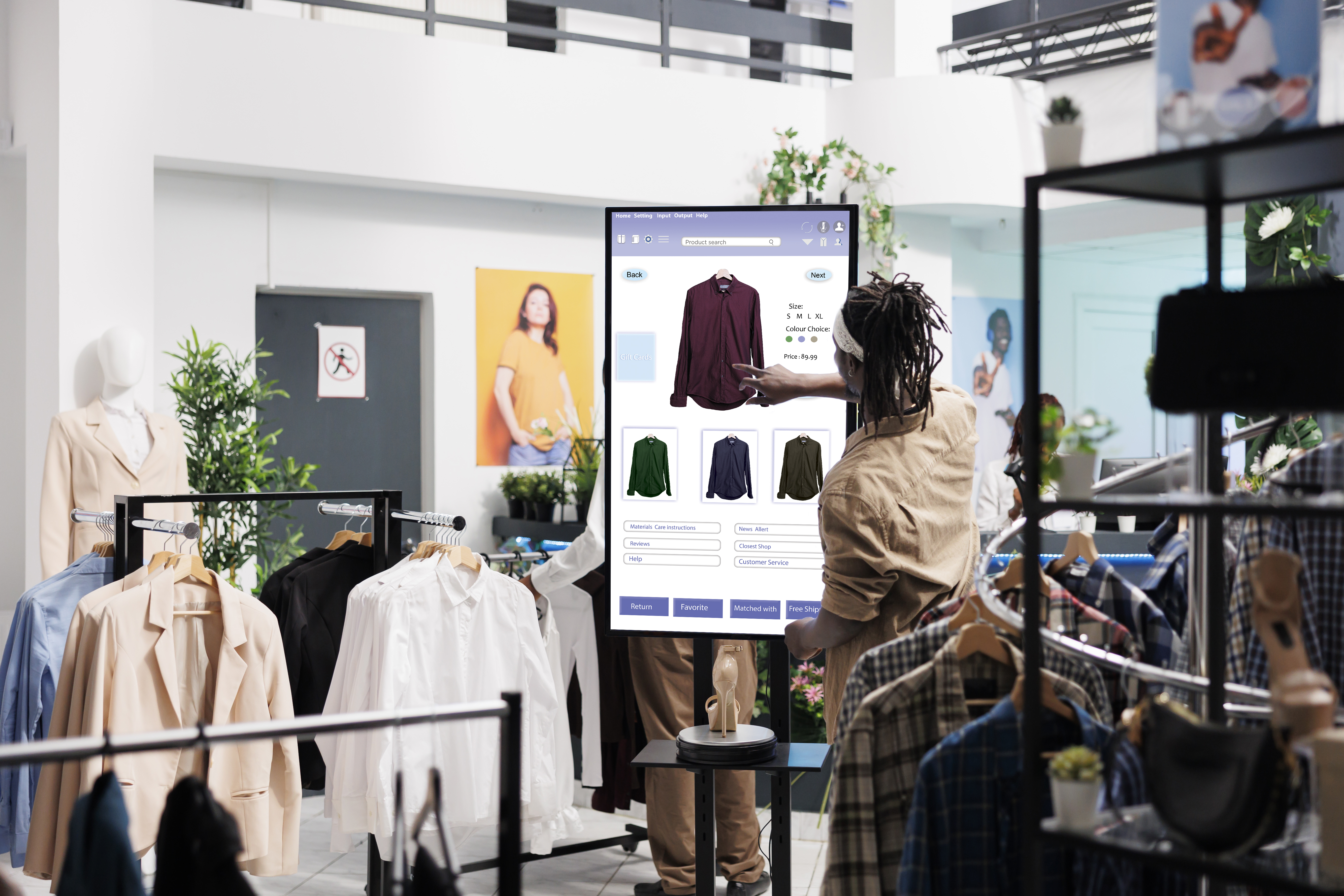
Emerging technologies continue expanding what's possible. Artificial intelligence enables personalization at scale, creating customized experiences for each customer within shared retail environments. Projection mapping transforms ordinary surfaces into dynamic canvases telling evolving stories. Biometric sensing provides feedback about emotional engagement, helping optimize activations in real-time. Internet-of-things connectivity makes static products interactive, turning every item on shelf into potential activation touchpoint.
The boundary between digital and physical retail continues blurring. Online stores add experiential elements through virtual events, immersive 3D environments, and livestream shopping experiences. Physical stores integrate digital capabilities—mobile checkout, personalized recommendations, virtual product extensions—that enhance convenience while maintaining experiential advantages. Effective retail activation strategies work across both realms, creating consistent brand experiences regardless of channel.
Consumer expectations for purpose-driven business intensify across demographics and categories. Younger customers expect brands to stand for something beyond profit, to contribute to solutions, to operate transparently. These expectations make retail activation increasingly important as the venue where purpose becomes verifiable. Brands that activate authentically build competitive moats difficult for purpose-washing competitors to replicate.
The opportunity for innovation remains vast. Most retail space still functions conventionally—products on shelves, signage conveying information, checkout facilitating transactions. Every conventional retail environment represents potential for activation thinking to transform ordinary shopping into extraordinary experience, commodity purchasing into meaningful choice, and transactional exchanges into relationship building moments.
Making Retail Activation Work
Retail activation succeeds when it serves multiple stakeholders simultaneously. Customers gain experiences they value—education, entertainment, community, discovery, or service. Retail partners gain foot traffic, sales increases, and differentiation from competitors. Brands gain awareness, engagement, insights, and loyalty. When activation design considers all these perspectives, creating win-win-win outcomes, sustainability and success reinforce each other.
The planning required for impactful retail activations shouldn't discourage experimentation. Start small: a single store location, a weekend event, a limited-time installation. Test concepts, gather feedback, measure results, and iterate. Build organizational capability through practice rather than attempting perfection immediately. The brands with strongest activation capabilities developed them through repeated cycles of trying, learning, and refining.
Cross-functional collaboration makes retail activations more effective. Marketing brings brand strategy and creative vision. Operations ensures feasibility and manages logistics. Sales maintains retail partnerships and secures placement. Product teams provide technical expertise and sample inventory. Sustainability leads verify values alignment. When these functions collaborate from planning through execution, activations become organizationally integrated rather than isolated marketing projects.
The investment in retail activation pays dividends beyond immediate metrics. You build institutional knowledge about what resonates with customers. You develop relationships with retail partners who become advocates for your brand. You create content assets—photos, videos, testimonials, case studies—that fuel future marketing. You demonstrate to employees that your values aren't just words, building internal culture that attracts talent who share your purpose.
The Experience Economy Advantage

Retail activation aligns with broader shifts toward experience economy, where meaning and memory matter more than material accumulation. People increasingly define themselves by experiences they've had, causes they support, and communities they belong to rather than products they own. Brands that facilitate meaningful experiences gain relevance in customers' self-conception in ways traditional product brands cannot.
For purpose-driven organizations, this shift creates enormous opportunity. Your commitment to positive impact provides substance for experiences to communicate. Your values give customers something to stand for by choosing you. Your transparency creates trust that conventional brands struggle to establish. Retail activation becomes the vehicle through which all these strategic advantages manifest in tangible, shareable, memorable forms.
The path forward requires courage to experiment, commitment to authenticity, and confidence that doing good and doing well can reinforce rather than compromise each other. Retail activation done right creates value for everyone involved while advancing the broader changes our world needs. That's not just effective marketing—it's business as a force for good, demonstrated one customer interaction at a time.
Author:
Matt Deasy
linkedinMatt Deasy is Business Development Lead at Grounded and an independent consultant, helping purpose-driven brands scale impact with clarity and commercial strength. Matt is a certified ‘*B Leader’ - *a trained consultant officially recognized by B Lab (the nonprofit behind the B Corp movement) to support companies on their journey toward B Corp certification, a graduate of Harvard Business School’s Sustainable Business Strategy program, and studied the UN Sustainable Development Goals program at the University of Copenhagen.
Matt brings a unique blend of entrepreneurial grit and sustainability expertise to Grounded, has contributed to publications such as Sustainable Times and B Lab Portugal, and is an expert ambassador at Brilliant Ideas Planet, exploring the evolving role of business in addressing global challenges.
Finally, as lead of Grounded Expeditions, Matt designs immersive, impact-driven experiences that connect business leaders with impact solutions. His approach draws on over a decade building and scaling snow and surf businesses across Europe and North Africa, alongside extensive travel to 80+ countries across every continent. These global experiences inform his belief that commercial success and environmental stewardship can—and must—go hand in hand.
Matt continues to explore how brand storytelling, partnerships, and strategy can accelerate the transition to an economy where purpose and profit reinforce each other.
LinkedIn | matt@grounded.world
Frequently Asked Questions About Retail Activation
Retail activation transforms retail spaces into experiential environments where customers actively engage with brands through immersive, interactive experiences rather than passively consuming marketing messages. Traditional retail marketing focuses on driving traffic and displaying products; retail activation creates memorable brand experiences that build emotional connections and drive engagement beyond the transaction. The difference lies in moving from telling customers about your brand to inviting them to experience your brand's identity and values firsthand.
Retail activation costs vary enormously based on scope, duration, technology requirements, and location—from a few thousand dollars for simple in-store demonstrations to hundreds of thousands for elaborate multi-location campaigns. ROI should be measured across multiple dimensions: immediate sales lift (typically 15-40% during activation periods), long-term customer acquisition cost reduction, brand awareness increases, social media reach, and customer loyalty metrics. Most brands see 3-5x return when measuring comprehensive impact rather than just immediate sales.
Effective strategies for purpose-driven brands include educational workshops demonstrating sustainable practices, repair and refurbishment events that extend product lifecycles, community partnership activations that address local issues, transparent supply chain storytelling through interactive displays, and product take-back programs integrated into shopping experiences. The key is ensuring activation design authentically reflects operational commitments rather than using sustainability as superficial marketing theme. Customers quickly distinguish between genuine purpose and greenwashing.
Small brands often have advantages in retail activation: greater agility to experiment, authentic founder stories that resonate emotionally, deeper connections with local communities, and flexibility to personalize experiences. Focus on creativity over budget—leverage partnerships, use storytelling instead of expensive production, engage customers as co-creators, and create shareable moments that amplify reach through social media. Purpose-driven small brands can activate more authentically than large corporations constrained by bureaucracy and shareholders.
Track quantitative metrics including foot traffic increases, sales lift versus control stores, conversion rate improvements, social media engagement (mentions, shares, hashtag usage), email capture rates, and customer acquisition costs. Add qualitative measures: customer testimonials, brand sentiment analysis, staff observations about engagement levels, and long-term loyalty tracking. For purpose-driven activations, include impact metrics like sustainable product adoption rates, behavioral change indicators, and values alignment scores.
Design distinctive visual elements that photograph well and communicate your brand story instantly. Create interactive moments that customers want to document and share. Develop unique branded hashtags and incentivize their use through contests or recognition. Build in surprise elements that exceed expectations. Partner with influencers or community leaders who will amplify your message. Ensure the activation delivers genuine value or entertainment—people share experiences they found meaningful, not just marketing they encountered.
Technology should enhance human connection rather than replace it. Use augmented reality to visualize impact or customize products. Deploy touchscreens for educational content customers can explore at their pace. Implement gamification that rewards engagement. Enable seamless social sharing of experiences. But ensure technology serves the experience strategy rather than existing for novelty. The best retail activations balance digital innovation with tactile, sensory, and interpersonal elements that only physical retail can provide.
Conduct lifecycle analysis of activation materials, choosing reusable, recyclable, or compostable options. Use renewable energy to power displays and events. Work with local suppliers to minimize transportation emissions. Design for disassembly and future repurposing rather than disposal. Calculate carbon footprint and offset unavoidable impacts. Ensure messaging authentically reflects operational practices. Train staff thoroughly so they can answer questions about sustainability claims knowledgeably. Document and communicate your environmental considerations as part of the activation story.