
Social Impact
Using a documentary to help protect the tribes of the Amazon
Background:
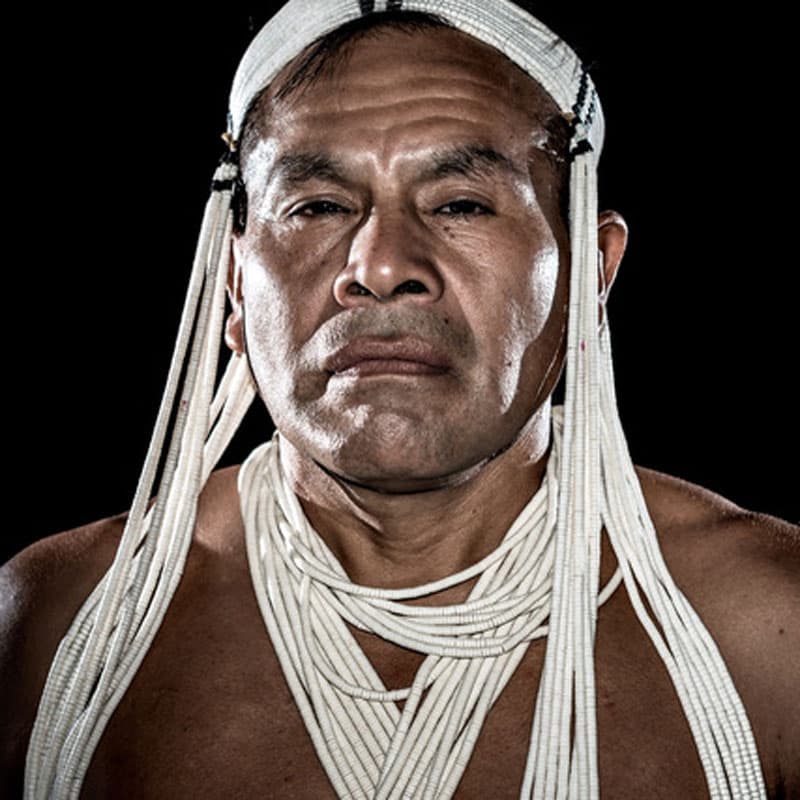
The Amazon is burning. And the indigenous people who live there are under threat, too. These tribes are the guardians of all of us. They protect the land that creates 20% of the oxygen we breathe. That's every 5th breath. If the people of the Amazon disappear, so might the rainforest. And so might we all.
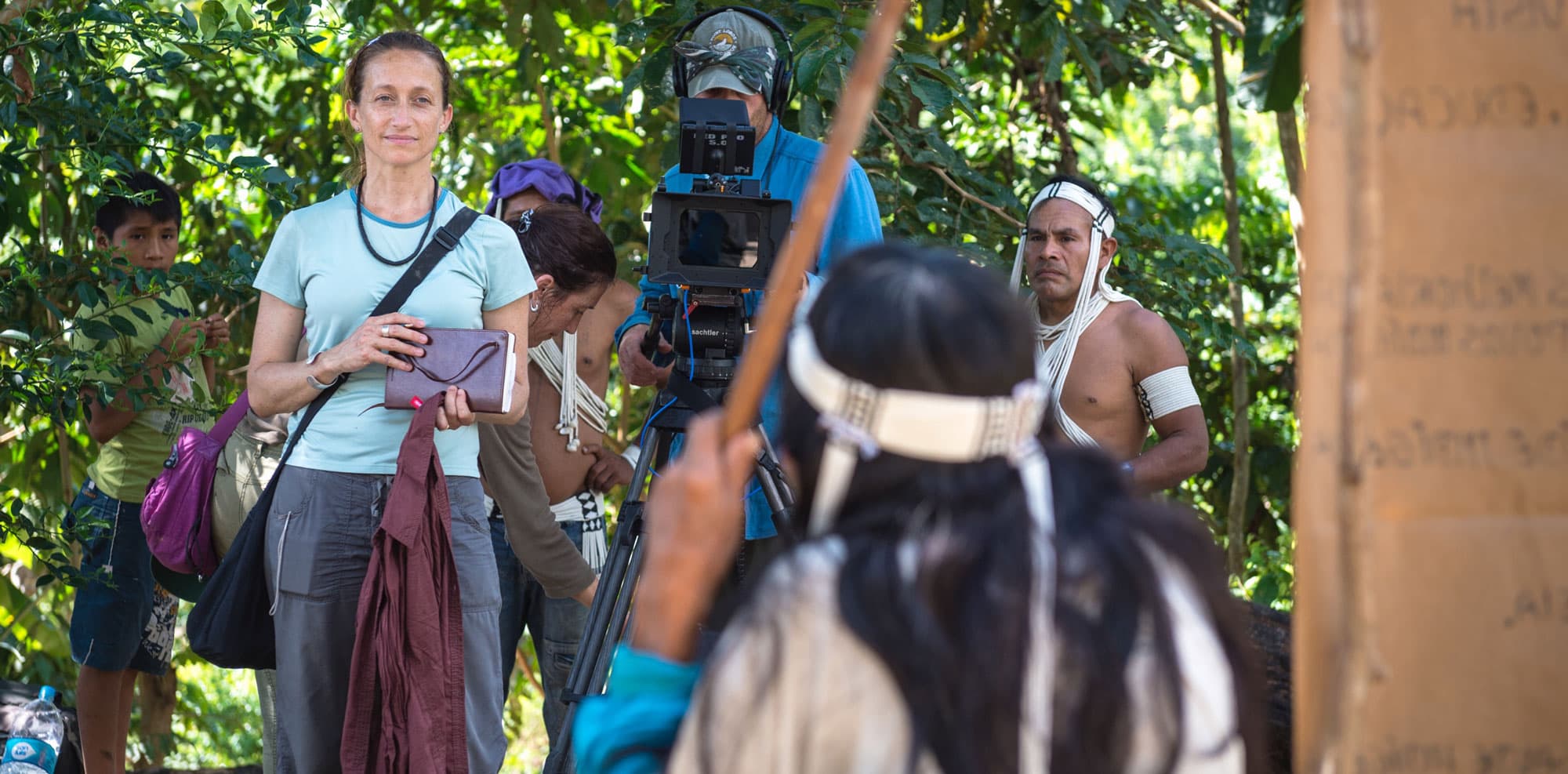
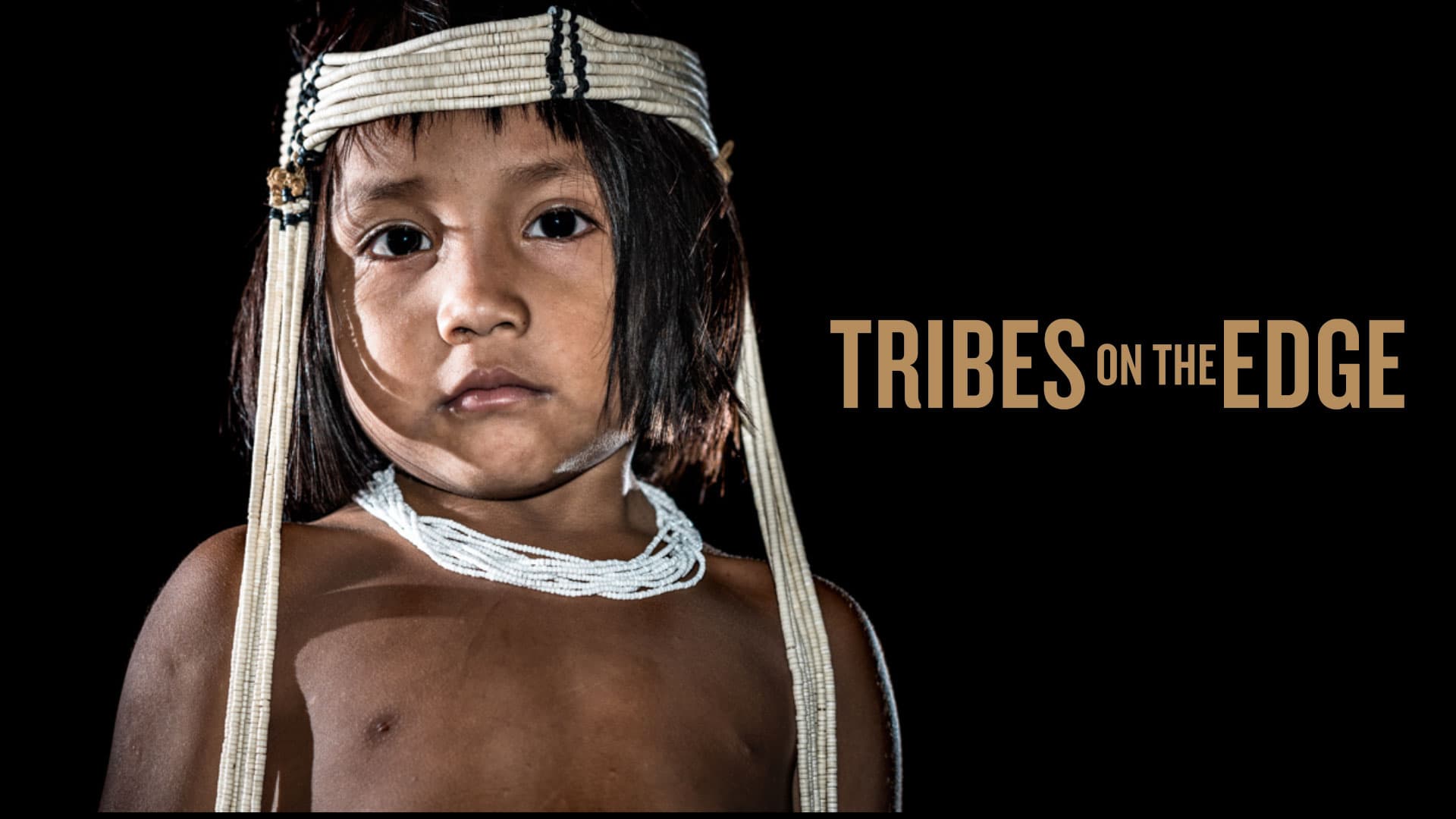
Céline Cousteau, granddaughter of the legendary Jaque Cousteau, is an activist and filmmaker. Her grandfather opened her eyes and heart to the Amazon and the indigenous tribes who live there when she was a young girl. And she spent years studying and earning the trust of these important people. Because of this trust, she was able to create a documentary to bring their story to the world. Tribes on the Edge is a documentary and a vehicle to give voice to the struggling tribes of the amazon rainforest.
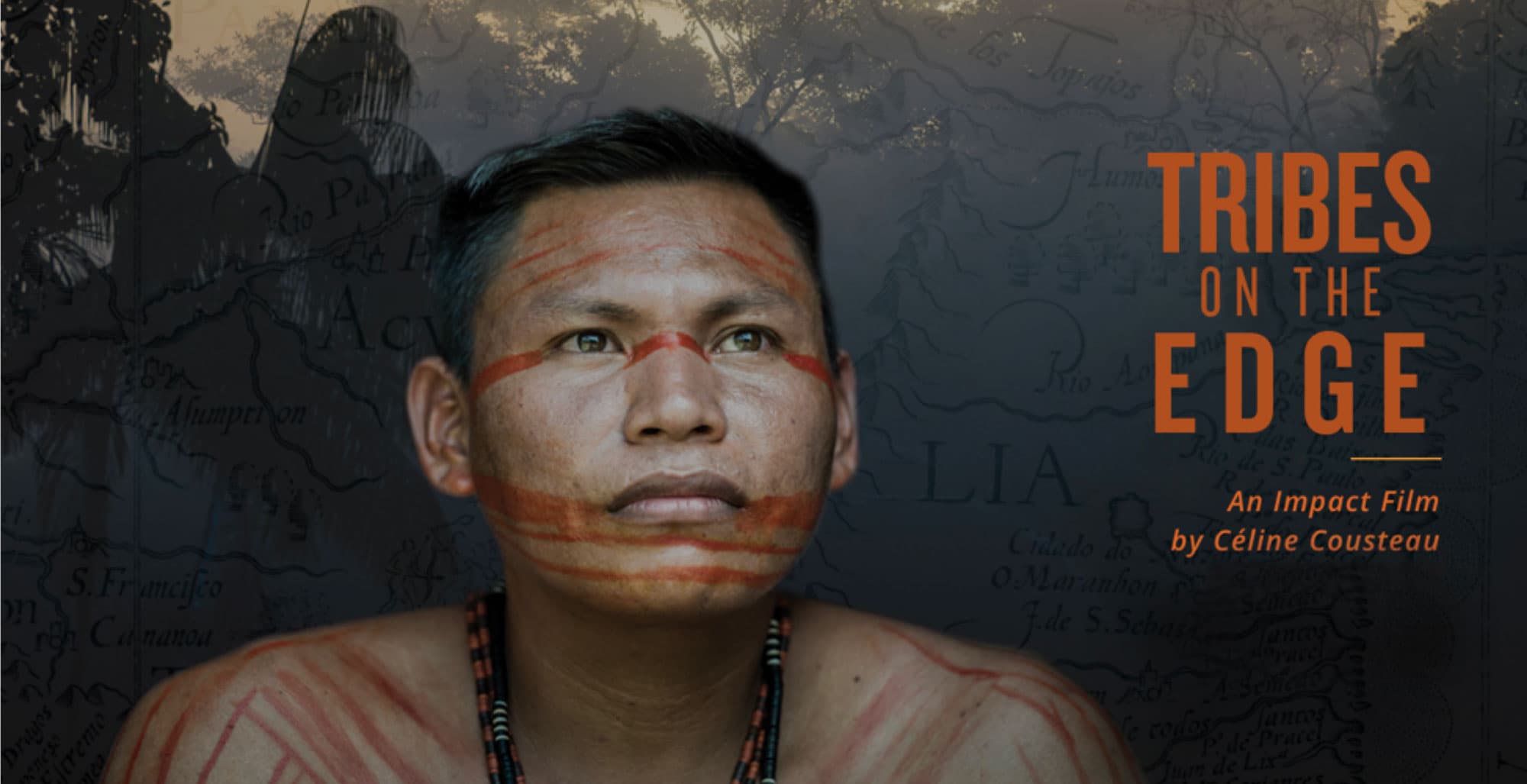
Céline Cousteau, granddaughter of the legendary Jaque Cousteau, is an activist and filmmaker. Her grandfather opened her eyes and heart to the Amazon and the indigenous tribes who live there when she was a young girl. And she spent years studying and earning the trust of these important people. Because of this trust, she was able to create a documentary to bring their story to the world. Tribes on the Edge is a documentary and a vehicle to give voice to the struggling tribes of the amazon rainforest.
Approach:
By helping American audiences understand the link between every 5th breath and the indigenous people and guardians of the Amazon forest, we made their plight local, individual and important.
Idea:
We took a grassroots approach, working with 6 production and distribution partners to organize private screenings across the US. That allowed us to make the Tribes on the Edge personal through theaters, arts centers and corporate offices — including Kickstarter and Salesforce.
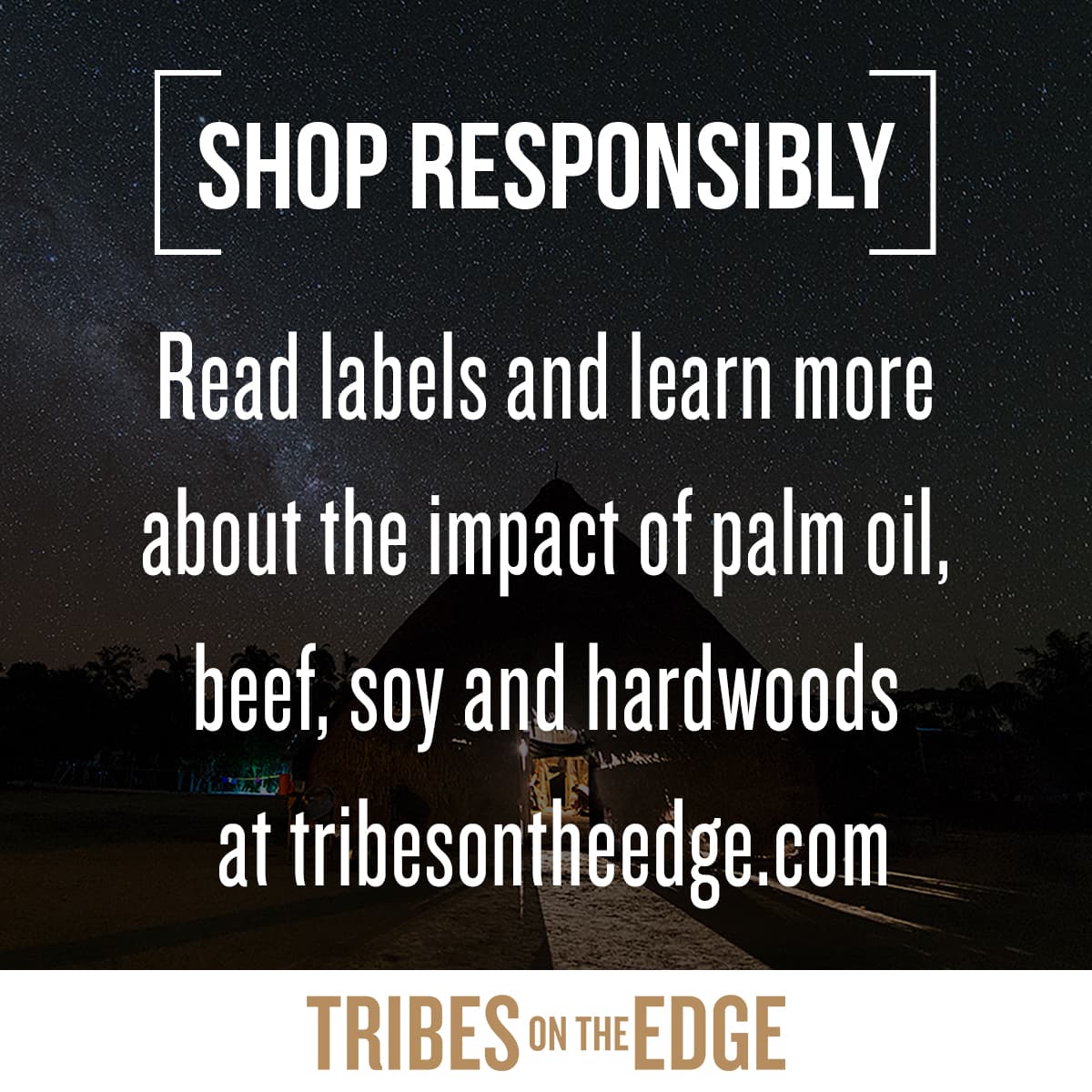
Beyond the 5th breath exercise, audiences were given ways in which they could support Tribes on the Edge by donating to the cause, sharing the documentary, and by advocating for educational programming for their local schools. They even were shown how their shopping habits, knowing which products to buy or not, could make an impact in protecting the land and its people.